If you’re a DIY enthusiast looking to expand your woodworking skills, then “Woodworking With A Drill Press” is the perfect article for you. In this blog post, we’ll explore the world of drill presses and how they can revolutionize your woodworking projects. Whether you’re a beginner or a seasoned woodworker, this article will provide you with valuable insights and tips on how to make the most out of your drill press. So grab your tools, put on your safety goggles, and let’s embark on a woodworking journey like no other!
Benefits of Using a Drill Press for Woodworking
Increased precision
Using a drill press for woodworking offers increased precision compared to using a handheld drill. The drill press has a sturdy base that provides stability, allowing for more accurate drilling. It also has adjustable and precise depth stops, which ensure consistent drilling depths. With a drill press, you can achieve precise and clean holes with ease.
Enhanced safety
One of the key benefits of a drill press is its enhanced safety features. The drill press provides a stable platform for your workpiece, reducing the risk of accidents. It also has a built-in safety guard that covers the spinning drill bit, protecting your hands from any potential hazards. Additionally, some drill presses have features like automatic shut-off and emergency stop buttons for added safety.
Ability to work with different materials
A drill press is a versatile tool that allows you to work with various materials, not just wood. Whether you’re drilling through wood, metal, plastic, or other materials, the drill press provides the stability and power needed to handle different projects. This versatility makes the drill press a valuable tool for woodworking enthusiasts.
Versatility in drilling techniques
Besides drilling straight holes, a drill press can also be used for various drilling techniques. For example, you can use the drill press to create angled holes, counterbore or countersink holes, bore for dowels, ream and enlarge holes, and even create mortises and tenons. The drill press opens up a range of possibilities for woodworking projects, allowing you to explore different techniques and achieve more intricate designs.
Time-saving
Using a drill press can significantly save you time when compared to using a handheld drill. The drill press allows for quick and efficient drilling, as you don’t have to worry about hand fatigue or maintaining a steady hand. The ability to set precise drilling depths and angles also ensures consistent and accurate results, reducing the need for rework. With a drill press, you can complete woodworking projects in less time while still maintaining high-quality craftsmanship.
Choosing the Right Drill Press for Woodworking
Considerations before purchasing
Before purchasing a drill press for woodworking, there are several factors to consider. First, determine the types of projects you plan to undertake and the materials you will be drilling. This will help you choose a drill press with the appropriate power and size. Consider the space you have available in your workshop as well, as drill presses come in various sizes. Also, think about your budget and invest in a drill press that offers the best value for your money.
Types of drill presses
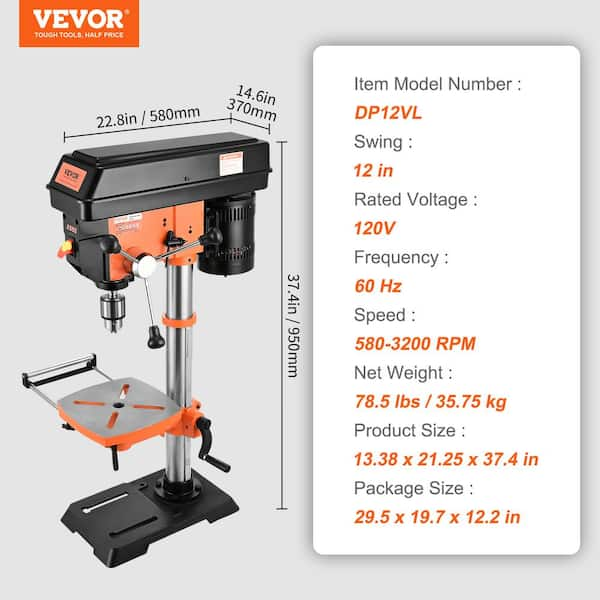
There are different types of drill presses available for woodworking. The most common types include benchtop, floor-standing, and magnetic drill presses. Benchtop drill presses are compact and suitable for small workshops, while floor-standing models are more robust and offer additional features. Magnetic drill presses are specifically designed for metalworking projects but can also be used for woodworking tasks that involve metal.
Features to look for
When choosing a drill press, look for features that align with your woodworking needs. Some important features to consider include variable speed settings, adjustable and precise depth stops, laser guides for improved accuracy, and a sturdy worktable with ample space for your workpiece. Additional features such as built-in work lights, digital depth displays, and dust collection systems can also enhance your woodworking experience.
Recommended brands and models
There are several reputable brands that offer quality drill presses for woodworking. Some popular brands include Delta, Jet, Wen, and Craftsman. It is always helpful to read customer reviews and compare different models to find the one that best suits your needs and budget. Consulting with experienced woodworkers or visiting local woodworking shops can also provide valuable insights and recommended models.
Setting Up Your Drill Press
Ensuring stability and proper alignment
To set up your drill press for woodworking, start by ensuring it is placed on a stable and level surface. This will prevent any wobbling or vibrations during operation. Adjust the levelers on the base of the drill press if necessary. Additionally, check that the drill press is properly aligned by using a square or straightedge to ensure the drill bit is perpendicular to the worktable.
Installing the drill bit
Before installing the drill bit, make sure the drill press is turned off and unplugged. Choose the appropriate size and type of drill bit for your woodworking project. Insert the drill bit into the chuck and tighten it securely using the chuck key or a drill bit keyless chuck. Make sure the drill bit is centered and properly aligned before starting the drill press.
Adjusting speed and depth
Most drill presses have adjustable speed settings to accommodate different materials and drilling requirements. Refer to the manufacturer’s instructions to determine the appropriate speed for your specific woodworking project. Additionally, set the desired drilling depth by adjusting the depth stop. This will ensure consistent and accurate drilling depths throughout your project.
Using appropriate safety measures
Safety should always be a top priority when using a drill press. Wear protective gear such as safety goggles, ear protection, and a dust mask to prevent any potential injuries or exposure to harmful particles. Always secure your workpiece properly using clamps or a drill press vise to prevent any movement during drilling. Additionally, keep your hands and loose clothing away from the drill bit and other moving parts.
Essential Woodworking Techniques with a Drill Press
Drilling holes
The drill press is primarily used for drilling precise holes in wood and other materials. To drill a hole, adjust the speed and depth according to your project requirements. Align the drill bit with the desired location on the workpiece and lower the drill bit using the feed handle or lever. Apply steady downward pressure and let the drill press do the work. Remember to secure your workpiece and wear appropriate safety gear.
Counterboring and countersinking
Counterboring and countersinking are techniques used to create recessed holes or allow screws to sit flush with the surface of the workpiece. To counterbore, select a counterbore bit and adjust the depth stop accordingly. Position the counterbore bit over the desired location and drill the hole to the desired depth. To countersink, switch to a countersink bit and adjust the depth stop. Drill the hole and adjust the depth as needed to achieve the desired depth for the screw head.
Boring for dowels
A drill press is an excellent tool for boring precise holes to accommodate dowels. Start by marking the locations for the dowel holes on the workpiece. Choose a drill bit with a diameter slightly smaller than the dowel size you are using. Adjust the depth stop to control the drilling depth. Align the drill bit with the marked locations and drill the holes. Ensure the depth is consistent for each hole to ensure a proper fit for the dowels.
Reaming and enlarging holes
If you need to enlarge existing holes or create holes with a precise diameter, reaming and enlarging with a drill press is the way to go. Choose a reamer or an appropriate sized drill bit for the desired hole size. Secure your workpiece and adjust the depth stop accordingly. Align the drill bit or reamer with the hole and proceed to drill, ream, or enlarge the hole to the desired size and depth.
Creating mortises and tenons
Mortises and tenons are commonly used joints in woodworking. The drill press can be used to create the initial holes for these joints. Start by marking the dimensions of the mortise or tenon on the workpiece. Use an appropriate-sized drill bit to remove the bulk of the material by drilling overlapping holes along the marked area. Then, use chisels or other tools to clean up and shape the mortise or tenon for a precise fit.
Different Types of Bits for Woodworking
Twist bits
Twist bits are the most common type of drill bits used for general woodworking tasks. They have a sharp point and twisted flutes that help remove the chips as you drill. Twist bits are available in various sizes and are suitable for drilling holes in wood, plastic, and some metals.
Forstner bits
Forstner bits are ideal for drilling flat-bottomed holes with clean edges. They have a center spur for accurate positioning and sharp cutting edges that produce clean and precise results. Forstner bits are commonly used for drilling holes for hinges, dowels, and decorative inlays.
Auger bits
Auger bits are designed for fast and efficient drilling of deep holes in wood. They have a spiral shape with a threaded tip that pulls the bit into the material, eliminating the need for excessive force. Auger bits are commonly used for drilling holes for large screws, dowels, and other applications that require deep holes.
Spade bits
Spade bits, also known as paddle bits, are used for drilling larger holes in wood. They have a flat cutting surface with a pointed tip and are available in various sizes. Spade bits are commonly used for drilling holes for electrical wiring, plumbing, or any other application that requires larger holes.
Hinge bits
Hinge bits, also known as self-centering or Vix bits, are specifically designed for drilling holes for hinges. They have a spring-loaded drill bit that automatically centers itself on the hinge location, ensuring accurate and consistent results. Hinge bits are a convenient tool for installing hinges on doors, cabinets, and other woodworking projects.
Tips and Tricks for Using a Drill Press Safely
Wearing protective gear
Always wear appropriate protective gear when using a drill press. Eye protection, such as safety goggles, prevents any debris or wood particles from entering your eyes. Ear protection, such as earmuffs or earplugs, helps reduce the noise level generated by the drill press. A dust mask should be worn to prevent inhaling any dust or particles.
Securing workpieces properly
To prevent workpiece movement or kickback, it is crucial to secure your workpiece properly. Use clamps or a drill press vise to firmly hold your workpiece in place. This will ensure stability and prevent any accidents or injuries caused by the workpiece slipping or spinning during drilling.
Avoiding excessive force
Let the drill press do the work for you. Applying excessive force can cause the drill bit to become stuck or break, leading to potential hazards. Allow the drill bit to cut smoothly through the material by applying steady downward pressure and allowing the drill press to operate at the appropriate speed.
Using a drill press vise
A drill press vise is a valuable accessory that provides additional stability and control when drilling. It securely holds the workpiece in place and allows for precise positioning. A drill press vise is especially useful when drilling smaller or intricate pieces that require extra support.
Maintaining the drill press
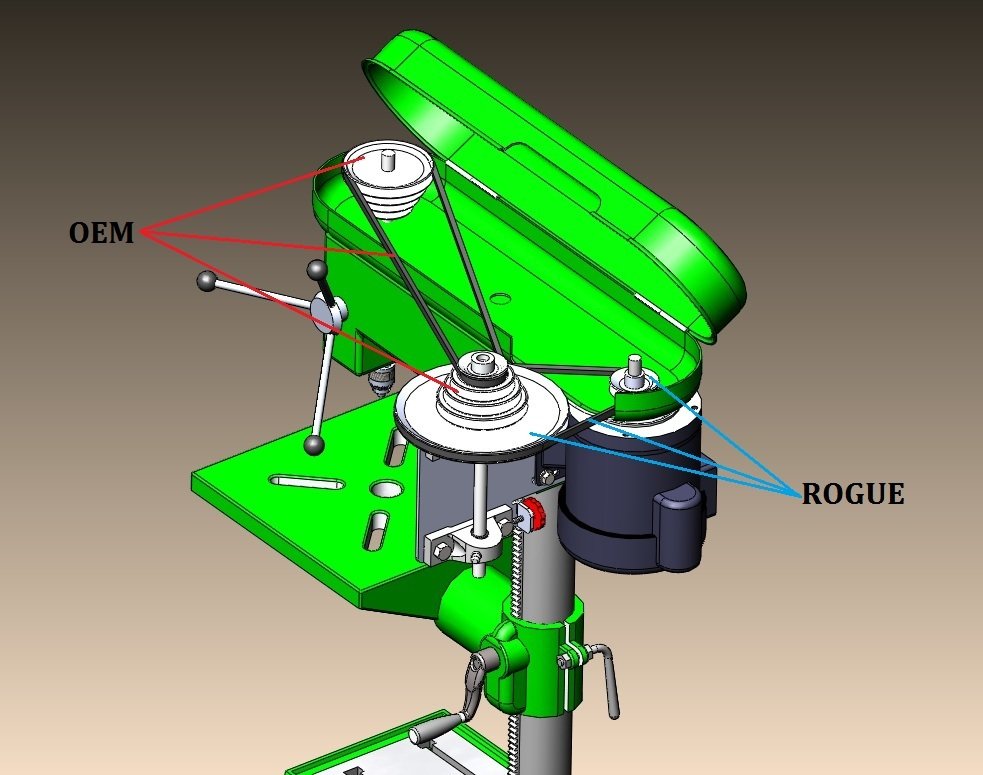
Regular maintenance is essential to keep your drill press in good working condition and ensure its longevity. Clean the drill press after each use to remove any debris or dust that may affect its performance. Check and tighten any loose parts or belts, and lubricate moving parts as recommended by the manufacturer. Regularly inspect the drill bit for any signs of wear and replace it if necessary.
Advanced Techniques with a Drill Press
Routing with a drill press
A drill press can be transformed into a makeshift router with the help of a routing attachment. This attachment allows you to create decorative patterns, cut grooves, or shape edges on your workpiece. By adding a router bit to the attachment, you can expand the capabilities of your drill press and achieve more intricate woodworking designs.
Sanding with a drum attachment
A drum attachment can be used with a drill press to sand large surfaces or curved edges. The drum attachment holds a sanding sleeve or belt that rotates as the drill press spins, providing a more efficient sanding process. This allows you to achieve smooth and even surfaces on your woodworking projects.
Creating decorative patterns
With the right accessories and techniques, a drill press can be used to create decorative patterns on your workpieces. By using pattern templates and a small router bit or carving bit, you can easily add intricate designs, such as flutes or spirals, to your woodworking projects. This adds a unique and elegant touch to your finished pieces.
Using a drum sander
A drum sander attachment for your drill press allows you to sand intricate or hard-to-reach areas more easily. The drum sander attachment holds a sanding drum that rotates as you feed the workpiece into it. This enables you to achieve smooth surfaces and contours on your woodworking projects.
Creating perfect circles
The drill press can also be used as a circle cutting tool by attaching a circle cutting jig or compass attachment. This allows you to create perfect circles of various sizes with ease. Whether you need to cut circular holes or create decorative circular shapes, the drill press can be a valuable tool for achieving precision and accuracy.
Common Woodworking Mistakes to Avoid
Drilling too quickly
One common mistake in woodworking is drilling too quickly. Rapid drilling can cause the drill bit to overheat, leading to dulling or even breaking. It is important to take your time and allow the drill bit to cut through the material smoothly by using the appropriate speed for the material and project.
Incorrect alignment
Improper alignment can result in off-center or skewed holes, affecting the overall quality and functionality of your woodworking project. Take the time to properly align the drill bit with the marked location on the workpiece and ensure that the drill press is perpendicular to the worktable.
Using dull bits
Using dull drill bits not only affects the quality of your drilling but also increases the risk of accidents. Dull bits can cause the drill to wander, resulting in off-center holes or even damaging the workpiece. Regularly inspect your drill bits and replace them when needed to ensure clean and accurate drilling.
Not using appropriate clamps
Failing to secure your workpiece properly can lead to workpiece movement or kickback, posing a safety risk. Always use clamps or a drill press vise to firmly hold your workpiece in place, especially when drilling through smaller or irregularly shaped pieces.
Lack of safety precautions
Safety should always be a top priority when working with a drill press. Failing to wear appropriate protective gear, such as safety goggles, ear protection, and a dust mask, can result in injuries or exposure to harmful particles. Always follow safety guidelines and use common sense to ensure a safe and enjoyable woodworking experience.
Projects You Can Do with a Drill Press
Building a bookshelf
A drill press is essential for drilling accurate and consistent holes when building a bookshelf. Whether it’s drilling holes for shelf brackets or creating holes for adjustable shelving, the drill press provides the precision needed to ensure a sturdy and functional bookshelf.
Making wooden toys
Creating wooden toys often involves drilling holes for wheels, axles, or joints. A drill press allows you to drill these holes accurately and consistently, ensuring that the toy functions properly and is safe for children to play with.
Creating custom picture frames
Drilling accurate holes for picture frame joinery is crucial for creating custom frames. From drilling holes for dowels or splines to creating counterbores or countersinks for mounting hardware, a drill press ensures precise and professional-looking picture frames.
Constructing furniture pieces
Whether you’re building a table, chair, or cabinet, a drill press is a valuable tool for woodworking. It helps you drill holes for joinery, such as dowels or screws, accurately and consistently. This ensures that your furniture pieces are sturdy and durable.
Crafting intricate wooden designs
With the versatility and precision of a drill press, you can create intricate wooden designs for decorative purposes. By using various drill bits and techniques, such as reaming or routing, you can add unique patterns and details to your woodworking projects, enhancing their overall aesthetic appeal.
Essential Accessories for Drill Press Woodworking
Clamps and vises
Clamps and vises are essential accessories for securing workpieces during drilling. They provide stability and prevent workpiece movement or kickback. Choose clamps or a drill press vise that can accommodate the size and shape of your workpieces.
Drill press mortising attachment
A mortising attachment is a useful accessory for creating mortises with a drill press. It holds a square chisel and bit, allowing you to efficiently and accurately drill square or rectangular mortises for joinery or other woodworking applications.
Drill press table
A drill press table enhances the functionality of your drill press by providing a larger and more stable work surface. It typically features a fence and T-tracks for added versatility. A drill press table allows for easier and more precise drilling, especially for larger workpieces or projects that require repetitive drilling.
Drill press fence
A drill press fence helps in achieving consistent and accurate drilling by providing a reference surface for your workpiece. It can be adjusted and clamped to the drill press table, allowing you to secure your workpiece and align it properly for precise drilling.
Drill press depth stop
A drill press depth stop is a valuable accessory for controlling the depth of your drilling. It allows you to set and lock the drilling depth, ensuring that each hole is drilled to the desired depth consistently. This is particularly useful when drilling multiple holes that require the same depth, such as for dowels or hardware installation.