Are you a DIY enthusiast looking to make accurate and precise holes in your projects? If so, then choosing the right drill press is essential. In this article, we will explore the importance of size and capacity when selecting a drill press that meets your needs. Understanding the size and capacity of a drill press will enable you to choose the right tool that can handle the size and depth of holes you require. So, let’s delve into the world of drill presses and discover how to make an informed decision.
Importance of Size and Capacity
When it comes to choosing a drill press, size and capacity play a crucial role in determining the performance and versatility of the machine. Understanding how these factors affect the drill press will help you make an informed decision and ensure that you select the right tool for your needs.
Factors to Consider for Size
Determining the available space in your workshop
Before purchasing a drill press, it’s important to consider the available space in your workshop. Measure the area where you plan to set up the machine and ensure that the dimensions of the drill press you choose will fit comfortably within that space. This will prevent any issues with maneuverability or overcrowding in your workshop.
Considering the portability and mobility of the drill press
If you anticipate needing to move your drill press frequently, either within your workshop or to different locations, portability and mobility become important factors. Some drill presses are designed to be lightweight and compact, making them easier to transport. Others may have built-in wheels or carrying handles for added convenience. Assess your specific needs and choose a drill press that offers the level of portability you require.
Choosing between benchtop and floor-standing drill presses
Drill presses come in two main types: benchtop and floor-standing. Benchtop models are smaller and can be mounted onto a workbench or table. They are ideal for workshops with limited space or for those who require a more portable option. Floor-standing drill presses, on the other hand, are larger and freestanding, providing more stability and power. Consider the space available in your workshop and the type of projects you plan to undertake when deciding between the two.
Evaluating the dimensions and weight of the drill press
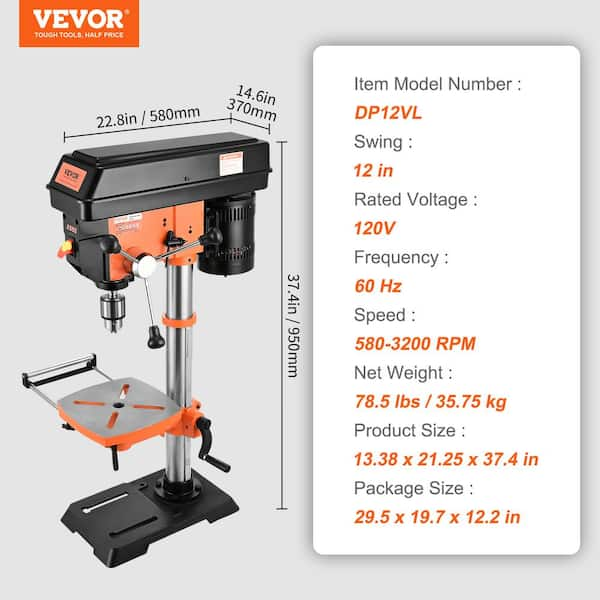
Apart from general size considerations, it’s also essential to evaluate the specific dimensions and weight of the drill press. This information will give you a better idea of how the machine will fit into your workspace and if it is suitable for your needs. Additionally, the weight of the drill press may impact its stability and ease of use. A lightweight drill press may be easier to maneuver, but it might sacrifice stability. On the other hand, a heavier drill press may provide better stability but could be more challenging to transport if needed.
Factors to Consider for Capacity
Understanding the drill press’s maximum drilling depth
The maximum drilling depth of a drill press refers to the depth at which it can penetrate a workpiece. It is an essential specification to consider, especially if you frequently work with materials that require deep drilling. Check the drill press’s specifications to ensure that its maximum drilling depth meets your specific requirements.
Considering the throat depth or swing of the drill press
The throat depth or swing of a drill press refers to the horizontal distance between the drill’s center and the column supporting it. This measurement determines the maximum width of a workpiece that the drill press can accommodate. It’s crucial to consider the throat depth when selecting a drill press, as it directly affects the size and shape of the workpieces you can work on. Ensure that the drill press you choose has a throat depth that can accommodate your typical workpiece dimensions.
Evaluating the maximum diameter of holes the drill press can handle
In addition to the drilling depth and throat depth, it’s important to evaluate the maximum diameter of holes a drill press can handle. This specification determines the size of drill bits that the machine can accommodate. Depending on your projects, you may require a drill press with a larger maximum diameter capacity. Evaluate your needs and ensure that the drill press you choose can handle the specific sizes of drill bits you intend to use.
Checking the available speed options and their impact on capacity
The speed options of a drill press play a vital role in its capacity to handle different materials and drilling tasks. Some drill presses offer multiple speed settings, allowing you to adjust the rotational speed of the drill bit based on the material being drilled. Higher speeds are typically required for drilling through metal, while lower speeds are suitable for woodwork. Consider the type of materials you will be working with and choose a drill press that offers the appropriate range of speed options for your needs.
Matching Size and Capacity to Workpieces
Determining the typical size and material of your workpieces
To select the appropriate size and capacity of a drill press, it is crucial to consider the typical size and material composition of your workpieces. If you primarily work with small-scale projects or delicate materials, a smaller benchtop drill press may be sufficient. However, if you often work with large, heavy-duty materials, a floor-standing drill press with a higher capacity may be more suitable. Assessing your workpieces’ size and material will help you identify the required size and capacity for your drill press.
Choosing a drill press with a size and capacity that accommodates your workpieces
Based on the typical size and material of your workpieces, you can now choose a drill press with a size and capacity that will accommodate your needs. Consider the maximum drilling depth, throat depth, maximum diameter, and speed options of the drill press to ensure it can handle the size and type of workpieces you commonly work with. By selecting the right size and capacity, you can achieve efficient and accurate drilling results.
Considering future projects and potential changes in workpiece sizes
While it is important to select a drill press that suits your current workpiece needs, it’s also wise to consider potential future projects and changes in workpiece sizes. If you foresee working on larger projects or using different materials in the future, it may be beneficial to choose a drill press with a slightly higher capacity than your current requirements. This will allow you to adapt and expand your drilling capabilities without needing to upgrade your equipment.
Safety Considerations
Understanding the importance of safety when operating a drill press
When working with any power tool, safety should always be a top priority. The same holds true for drill presses. Understanding the importance of safety when operating a drill press is crucial to prevent accidents and injuries. Familiarize yourself with the machine’s safety features and follow all recommended safety guidelines to ensure a safe working environment.
Considering the stability and rigidity of the drill press
Stability and rigidity are vital factors to consider when assessing the safety of a drill press. A stable and rigid machine will minimize vibrations during operation, reducing the risk of accidents and improving drilling accuracy. Look for drill presses constructed with sturdy materials and robust design to ensure stability and rigidity.
Checking for safety features like emergency stops and protective guards
Before making a purchase, check for safety features on the drill press. Emergency stops are vital for quickly shutting down the machine in case of an emergency. Protective guards provide an added layer of protection by shielding the drill bit and preventing debris from flying out during drilling. Having these safety features in place will help prevent accidents and ensure a safer working environment.
Following proper safety measures while using a drill press
In addition to the machine’s safety features, it’s essential to follow proper safety measures while using a drill press. Wear appropriate personal protective equipment, such as safety goggles and ear protection, to protect yourself from flying debris and excessive noise. Securely clamp workpieces in place and avoid loose clothing or jewelry that can get caught in the machine. Familiarize yourself with the drill press’s controls and operating procedures to minimize the risk of accidents due to misuse.
Quality and Durability
Evaluating the build quality and construction materials of the drill press
The build quality and construction materials of a drill press directly impact its durability and longevity. Look for drill presses constructed with high-quality materials, such as cast iron or steel, as they tend to be more robust and resistant to wear and tear. Pay attention to the overall craftsmanship and fit and finish of the drill press to gauge its quality.
Checking for reputable brands and customer reviews
When investing in a drill press, it’s beneficial to opt for reputable brands known for their quality and reliability. Research customer reviews and ratings to gather insights into the experiences of other users. Positive feedback and recommendations from satisfied customers can provide reassurance about the drill press’s quality and performance.
Considering the warranty and after-sales support for the drill press
A warranty is an important consideration when purchasing any power tool, including a drill press. Check the warranty coverage offered by the manufacturer and the availability of after-sales support. A generous warranty period and responsive customer service can provide peace of mind and ensure that you are protected in case of any defects or issues with the drill press.
Additional Features and Accessories
Exploring additional features like laser guides, LED lights, or digital displays
Some drill presses offer additional features that can enhance the drilling experience. Laser guides provide a visual reference to help align the drill bit accurately. LED lights illuminate the work area, improving visibility. Digital displays provide precise control over drilling depth and speed. Explore these additional features to determine if they can provide added convenience and efficiency for your specific projects.
Considering the availability and compatibility of accessories
Accessories can expand the functionality and versatility of a drill press. Before making a purchase, consider the availability and compatibility of accessories for the drill press you are considering. Common accessories include different types of drill bits, clamps, and vices. Ensuring easy access to these accessories will allow you to tackle a wider range of drilling tasks.
Assessing the ease of use and convenience of the drill press
Ease of use and convenience are essential factors to consider when choosing a drill press. Look for features such as adjustable tables for different angles, quick-release chucks for easy bit changes, and intuitive controls for seamless operation. A drill press that is user-friendly and ergonomically designed will make your drilling tasks more efficient and enjoyable.
Budget Considerations
Determining your budget for a drill press
Before embarking on your drill press purchase, it’s important to establish a budget. Determine how much you are willing to invest in a drill press based on your specific needs and requirements. Having a budget in mind will help you narrow down your options and focus on drill presses that fit within your financial means.
Considering the trade-offs between price, quality, and features
When working within a budget, it’s important to consider the trade-offs between price, quality, and features. While it may be tempting to opt for the cheapest option available, it’s crucial to balance cost with the desired quality and features. Strive for the best value for your money by selecting a drill press that meets your requirements while still offering a reasonable price.
Researching for affordable options within your preferred size and capacity range
To find affordable options within your preferred size and capacity range, it’s essential to conduct thorough research. Compare prices from different manufacturers and retailers, keeping in mind the other factors discussed, such as quality and features. Look for sales or promotions that may offer discounted prices and consider purchasing a used drill press if it meets your needs and budget.
Comparing Different Models
Researching and comparing drill press models within your desired size and capacity
Once you have determined your size and capacity requirements, it’s time to research and compare drill press models within those specifications. Look for models that offer the features you require and are known for their performance and durability. Consider reading product reviews and expert opinions to gather insights into the strengths and weaknesses of each model.
Reading product specifications, customer reviews, and expert opinions
To gain a comprehensive understanding of each drill press model, read product specifications, customer reviews, and expert opinions. Product specifications provide detailed information about the drill press’s size, capacity, and features. Customer reviews offer insights into real-world experiences with the drill press, while expert opinions provide unbiased evaluations based on technical expertise. Consider all these perspectives to make a well-informed decision.
Considering the pros and cons of each model to make an informed decision
After conducting thorough research and reviewing the different models, it’s important to weigh the pros and cons of each model to make an informed decision. Consider your specific needs, project requirements, budget, and the information you gathered during your research. By considering all the factors, you can select the drill press that best aligns with your requirements and preferences.
Conclusion
In conclusion, size and capacity are crucial factors to consider when choosing the right drill press. Understanding the role of these factors and how they affect the performance, versatility, and safety of the machine will help you make an informed decision. By assessing your specific needs, workshop space, workpiece sizes, and budget, you can select a drill press that offers the perfect balance of size, capacity, quality, and features. Additionally, considering safety, quality, additional features, and customer reviews will ensure that you make a purchase that meets your expectations and enhances your drilling experience. So, take the time to research, compare different models, and make a well-informed decision. Happy drilling!