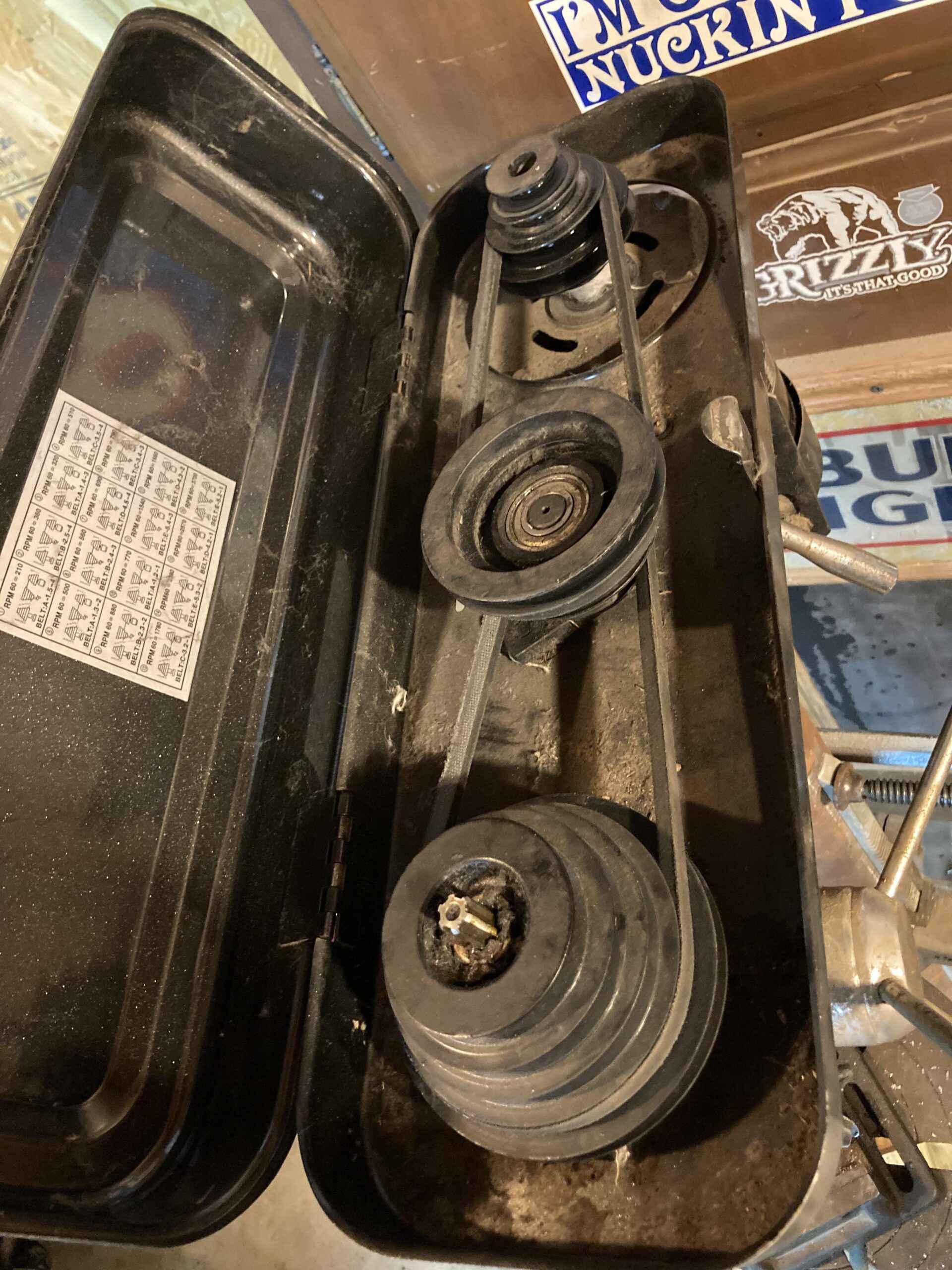
Are you a DIY enthusiast who loves working with drill presses? Well, you’ve come to the right place! In this article, we’ll be discussing a common issue that many drill press users face – motor overheating. Whether you’re new to using a drill press or have been working with one for years, it’s important to understand the causes and solutions to prevent your motor from overheating. So, sit back, relax, and let’s dive into the world of drill press motor overheating!
Causes of Drill Press Motor Overheating
Drill press motor overheating is a common issue that many DIY enthusiasts and professionals face. Understanding the causes of this problem is crucial in order to prevent damage to your equipment and ensure its longevity. In this article, we will explore the main causes of drill press motor overheating and provide you with preventive measures and troubleshooting tips.
Excessive Load
One of the leading causes of drill press motor overheating is an excessive load. The load refers to the amount of resistance or force applied to the drill bit while drilling. When you push the drill bit too hard or drill into a particularly dense material, the motor has to work harder to overcome this resistance. This increased workload can lead to overheating and potential motor failure.
Lack of Proper Lubrication
Another cause of drill press motor overheating is the lack of proper lubrication. The motor components generate heat during operation, and lubrication helps reduce friction and heat buildup. Without sufficient lubrication, the motor can become overheated and experience premature wear and tear.
Faulty Motor
A faulty motor can also contribute to overheating issues. Motor components such as the bearings, windings, or brushes may be damaged or worn out, causing increased friction and heat generation. It is important to identify and address any signs of a faulty motor to avoid further damage and potential hazards.
Inadequate Ventilation
Inadequate ventilation is another factor that can contribute to drill press motor overheating. When the motor is not properly ventilated, heat buildup becomes trapped, leading to increased temperatures. Insufficient airflow prevents the motor from cooling down effectively, resulting in overheating.
Excessive Load
Understanding the concept of load is essential for preventing drill press motor overheating. Load refers to the resistance or force the motor has to overcome while drilling.
Excessive load can greatly impact the temperature of the motor. When you push the drill bit too hard or attempt to drill into materials that require more power, the motor has to work at maximum capacity. This constant strain can cause the motor to overheat quickly.
To avoid excessive load and prevent overheating, you should adjust your drilling technique according to the material being drilled. Use the appropriate drill speed, apply steady pressure without excessive force, and allow the drill bit to do the work without pushing it beyond its capacity.
Lack of Proper Lubrication
Proper lubrication is crucial for a well-functioning drill press motor. Lubricating the motor components helps reduce friction and heat buildup, ensuring smooth operation and preventing overheating.
Insufficient lubrication can cause the motor to overheat. Signs of insufficient lubrication include unusual noise coming from the motor, increased resistance while drilling, and excessive heat radiating from the motor.
To avoid motor overheating due to lack of lubrication, it is important to follow a regular lubrication schedule. Consult your drill press manual for specific recommendations on the type of lubricant to use and how often to apply it. Regularly inspect the motor and lubricate any moving parts as needed.
Faulty Motor
A faulty motor is a common cause of drill press motor overheating. There are several signs that indicate a motor may be faulty, including abnormal noise, vibration, or a decrease in performance.
If you suspect that your motor is faulty, it is important to address the issue promptly to prevent further damage. In some cases, minor repairs may be sufficient to restore the motor’s functionality. However, if the motor is significantly damaged or beyond repair, it may need to be replaced.
When choosing a replacement motor, ensure that it is compatible with your drill press model and meets the necessary specifications. Consult the drill press manual or seek professional advice to find the most suitable motor for your needs.
Inadequate Ventilation
Proper ventilation is essential for preventing drill press motor overheating. When the motor operates, it generates heat, and without adequate airflow, this heat becomes trapped, leading to increased temperatures and potential overheating.
Identifying inadequate ventilation is relatively straightforward. Look for signs such as hot air emanating from the drill press motor, excessive heat buildup around the motor, or visible obstructions blocking the airflow.
To improve ventilation and prevent overheating, ensure that the drill press motor has sufficient space around it for air to circulate freely. Clear any debris or obstructions that may block the airflow. Additionally, make sure that the cooling fan and air vents are clean and functional.
Preventive Maintenance for Drill Press Motors
Implementing regular preventive maintenance practices can help prolong the lifespan of your drill press motor and prevent overheating issues. Here are some maintenance tips to keep your motor in optimal condition:
Regular Cleaning and Inspection
Regularly clean the motor and surrounding areas to remove any dust, debris, or other contaminants that can impede airflow. Inspect the motor components for signs of damage or wear, such as loose wires, frayed cables, or worn-out brushes. Address any issues promptly to prevent further damage.
Proper Lubrication
Follow a lubrication schedule recommended by the manufacturer to ensure that all moving parts are properly lubricated. Use the appropriate lubricant as specified in the drill press manual. Lubricate bearings, gears, and other relevant components to reduce heat buildup caused by friction.
Maintaining Adequate Ventilation
Ensure that the drill press motor is located in an area with sufficient ventilation. Avoid placing the drill press in enclosed spaces or against walls where airflow may be restricted. Regularly check the cooling fan and air vents to ensure they are clean and unobstructed.
Troubleshooting Overheating Issues
If you encounter overheating issues with your drill press motor, here are some troubleshooting steps you can take to identify and address the problem:
Check Load and Adjust Speed
Evaluate the load on the drill bit and adjust the drill speed accordingly. Excessive load can cause the motor to overheat quickly. Reduce the load by drilling at a slower speed or using a different drill bit suitable for the material.
Inspect Motor Wiring and Connections
Inspect the motor wiring and connections for any loose or damaged components. Loose wires or faulty connections can cause increased resistance and heat buildup.
Examine Cooling Fan and Air Vents
Ensure that the cooling fan and air vents are clean and functioning properly. If the cooling fan is not spinning or the air vents are blocked, heat dissipation may be compromised.
Replace Faulty Motor Parts
If you identify any damaged or worn-out motor parts during your inspection, consider replacing them. Faulty components can contribute to overheating and may need to be repaired or replaced.
When to Seek Professional Help
While many overheating issues can be resolved through basic troubleshooting and maintenance, there are situations where professional assistance may be necessary. Consider seeking professional help in the following cases:
Complex Motor Repairs
If your drill press motor requires extensive repairs or replacement of major components, it is advisable to consult a qualified technician. They will have the expertise and tools needed to handle complex repairs effectively.
Warranty or Manufacturer Assistance
If your drill press motor is still under warranty, it is recommended to reach out to the manufacturer for assistance. They may provide repair services or offer a replacement motor if the issue cannot be resolved.
Choosing a Qualified Technician
When seeking professional help, ensure that you choose a qualified technician with experience in drill press motor repairs. Look for certifications or credentials that indicate their expertise in motor repair. Ask for recommendations or read reviews to find a reputable technician who can diagnose and fix the overheating issue.
Preventing Drill Press Motor Overheating
Preventing drill press motor overheating is key to maintaining the performance and longevity of your equipment. Here are some preventive measures to keep in mind:
Using the Correct Drill Bit
Always use the appropriate drill bit for the material you are working with. Using the wrong drill bit can increase the load on the motor and lead to overheating. Consult drilling charts or seek professional advice to determine the correct drill bit for each specific task.
Avoiding Excessive Pressure
Apply steady pressure without excessive force when drilling. Pushing too hard can overload the motor and cause it to overheat. Let the drill bit do the work and avoid using unnecessary force.
Taking Breaks
If you are working on a long drilling project, take regular breaks to allow the motor to cool down. Extended periods of continuous drilling can cause the motor to overheat due to the sustained workload. Give the motor time to rest and cool off between drilling sessions.
Proper Tool Maintenance
Regularly inspect and clean your drill press to ensure it is in optimal condition. Remove any debris or dust that may accumulate around the motor. Follow the manufacturer’s maintenance recommendations for your specific drill press model to prevent overheating.
Conclusion
Drill press motor overheating can be a frustrating issue that affects the performance and lifespan of your equipment. By understanding the causes and implementing preventive measures, you can avoid potential damage and prolong the life of your drill press motor. Regular maintenance, proper lubrication, and ensuring adequate ventilation are key to preventing overheating and ensuring optimal performance. Additionally, troubleshooting tips can help identify and address overheating issues promptly. Remember to seek professional help when needed and follow the manufacturer’s guidelines for tool maintenance. With these practices in place, you can keep your drill press motor running smoothly and efficiently for years to come.