If you’re an avid DIY enthusiast or someone who loves woodworking, you know how frustrating it can be when your drill press belt starts to slip. Nothing can halt a project faster than a drill press that just won’t cooperate. But fear not, because in this article, we’ve got you covered. We’ll dive into the world of drill press belt slippage, exploring the causes, potential fixes, and tips to prevent it from happening in the first place. So, grab your tools and let’s get down to business!
Common Causes of Drill Press Belt Slippage
Loose Belt Tension
One common cause of drill press belt slippage is loose belt tension. When the tension on the belt is not properly adjusted, it can slip during operation. This can result in reduced cutting performance and overall inefficiency of the drill press.
Worn Out or Poor Quality Belt
Another cause of belt slippage is a worn out or poor quality belt. Over time, belts can become stretched, worn, or damaged, which can lead to slippage. Additionally, using low-quality belts can also contribute to this issue.
Misalignment of Pulleys
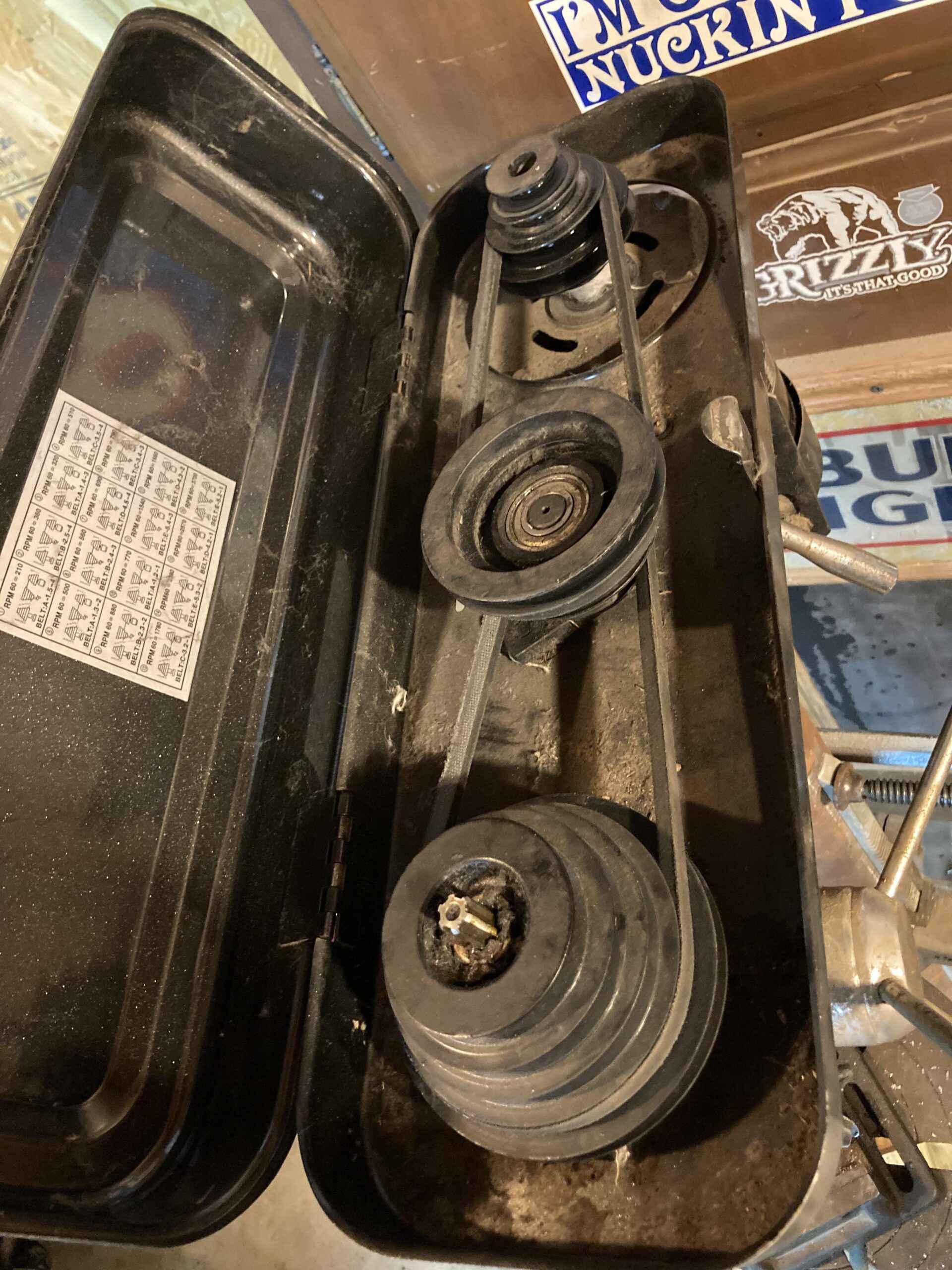
Improper alignment of the pulleys can also cause the drill press belt to slip. If the pulleys are not aligned correctly, it can create uneven tension on the belt, leading to slippage. This can occur due to wear and tear, improper installation, or lack of regular maintenance.
Excessive Load or Overworking the Drill Press
Using the drill press beyond its recommended capacity or overworking it can cause the belt to slip. Excessive load puts a strain on the belt and can cause it to slip during operation. It is important to use the correct speed and feed settings and avoid overloading the drill press to prevent belt slippage.
How to Fix Drill Press Belt Slippage
Tightening the Belt
If the belt tension is too loose, it can be tightened to prevent slippage. This can usually be done by adjusting the tensioning mechanism on the drill press. Refer to the drill press manual for specific instructions on how to properly tighten the belt.
Replacing the Belt
If the belt is worn out, stretched, or damaged, it is important to replace it. Choose a high-quality belt that is specifically designed for your drill press model. Follow the manufacturer’s instructions to remove the old belt and install the new one correctly.
Adjusting the Pulley Alignment
To fix pulley misalignment, you will need to adjust the alignment of the pulleys. This can be done by loosening the pulley setscrews, realigning the pulleys, and tightening the setscrews back into place. Use a straightedge or laser alignment tool to ensure the pulleys are perfectly aligned.
Reducing the Load or Using Correct Speed and Feed Settings
To prevent belt slippage caused by excessive load or overworking the drill press, it is important to reduce the load and use the correct speed and feed settings. Make sure to follow the manufacturer’s guidelines for the maximum capacity of the drill press and adjust the settings accordingly.
Preventing Drill Press Belt Slippage
Regular Maintenance and Inspection
Regular maintenance and inspection of the drill press can help prevent belt slippage. This includes cleaning, lubricating, and checking the condition of the belt and pulleys. It is important to address any issues promptly to prevent further damage and ensure optimal performance.
Proper Belt Tensioning
Maintaining proper belt tension is crucial to prevent slippage. Regularly check the belt tension and adjust it as needed. Follow the manufacturer’s guidelines for the recommended tension range for your specific drill press model.
Using High-Quality Belts
Using high-quality belts that are specifically designed for your drill press can help prevent slippage. These belts are often more durable and have better grip, reducing the chances of slippage during operation. Invest in belts from reliable brands and suppliers.
Aligning Pulleys Correctly
Ensure the pulleys are correctly aligned to prevent belt slippage. Regularly check the alignment of the pulleys and make any necessary adjustments. Proper alignment ensures even tension on the belt, reducing the risk of slippage.
Avoiding Overloading the Drill Press
To prevent belt slippage caused by excessive load, it is important to avoid overloading the drill press. Always work within the recommended capacity of the drill press and use the correct speed and feed settings for the specific task.
Choosing the Right Belt for Your Drill Press
Considering the Drill Press Specifications
When choosing a belt for your drill press, consider the specifications of the drill press itself. Look for belts that are compatible with the make and model of your drill press. Check the maximum recommended capacity and speed range to ensure the belt can handle the workload.
Determining the Belt Material and Size
Different drill presses may require different belt materials and sizes. Determine the appropriate belt material based on your specific needs and the materials you will be working with. Additionally, measure the size of the existing belt or consult the drill press manual for the correct belt size.
Looking for Reliable Brands and Suppliers
To ensure the quality and durability of your drill press belt, choose belts from reliable brands and suppliers. Look for reputable manufacturers who specialize in drill press belts. Read reviews and seek recommendations from other drill press users to find trusted suppliers.
Common Mistakes to Avoid when Dealing with Drill Press Belt Slippage
Neglecting Regular Maintenance
Neglecting regular maintenance can contribute to belt slippage. It is important to regularly clean, lubricate, and inspect the drill press and its components to ensure optimal performance. Schedule regular maintenance checks to address any issues before they worsen.
Over-tightening or Under-tightening the Belt
Improper belt tensioning can lead to slippage. Avoid over-tightening or under-tightening the belt. Follow the manufacturer’s recommendations for the correct tension range and make adjustments accordingly. Too much or too little tension can cause the belt to slip or wear out prematurely.
Using Incorrect Belt Sizes or Materials
Using incorrect belt sizes or materials can also result in belt slippage. Always ensure you choose the right belt size and material for your specific drill press model. Using belts that are too small or made from unsuitable materials can lead to inefficiency and increased slippage.
Ignoring Pulley Alignment
Ignoring pulley alignment can contribute to belt slippage. Regularly check the alignment of the pulleys and make the necessary adjustments as needed. Proper alignment ensures even tension distribution and reduces the risk of slippage.
Signs That Indicate Drill Press Belt Slippage
Squealing or Chirping Sounds
If you hear squealing or chirping sounds during operation, it could be a sign of belt slippage. The sound is caused by the belt slipping against the pulleys. Promptly address the issue to prevent further damage and ensure optimal performance.
Visible Slippage during Operation
If you notice visible slippage of the belt during operation, it is a clear indication of belt slippage. The belt may appear loose or move inconsistently. This can result in reduced cutting performance and inefficiency of the drill press.
Reduced Cutting Performance
Belt slippage can lead to reduced cutting performance. If you experience a decrease in the efficiency or accuracy of your cuts, it could be a result of the belt slipping. Address the issue promptly to maintain optimal cutting performance.
Vibrations or Shaking
Excessive belt slippage can cause vibrations or shaking of the drill press. This can affect the accuracy and precision of the drilling operation. If you notice unusual vibrations or shaking, it may be a sign of belt slippage.
Understanding the Importance of Proper Belt Tension
Optimal Power Transfer
Proper belt tension ensures optimal power transfer in the drill press. When the belt is correctly tensioned, it efficiently transfers power from the motor to the spindle, allowing for smooth and effective operation.
Maintaining Accuracy and Precision
A properly tensioned belt is essential for maintaining accuracy and precision in drilling. It prevents slippage, ensuring consistent and precise drilling depth and positioning. This is particularly important for tasks that require high precision, such as woodworking or metalworking.
Extended Belt and Tool Lifespan
Proper belt tension promotes a longer lifespan for both the belt and the drill press. When the belt is correctly tensioned, it experiences less wear and tear, reducing the risk of premature failure. Additionally, a well-maintained and properly functioning drill press can also last longer with fewer issues.
When to Seek Professional Assistance for Drill Press Belt Slippage
Persistent or Severe Belt Slippage Issues
If you are experiencing persistent or severe belt slippage issues despite your best efforts to fix them, it may be time to seek professional assistance. A professional technician will have the expertise to diagnose and address the root cause of the problem.
Complex Pulley Misalignment
If the pulley misalignment is complex and beyond your skill level, it is advisable to call in a professional for assistance. They will have the necessary tools and experience to properly align the pulleys and prevent further belt slippage.
Replacement or Upgrade of Drill Press Components
In some cases, belt slippage may be an indication of worn or damaged drill press components. If you suspect that this is the case, it may be necessary to replace or upgrade certain components, such as the pulleys or the entire drill press. A professional can help guide you through the process and ensure a proper replacement or upgrade.
Tips for Prolonging the Lifespan of Drill Press Belts
Regular Cleaning and Lubrication
Regularly clean the drill press belts to remove any dirt, debris, or residue that may accumulate on them. Additionally, lubricate the belts as recommended by the manufacturer to minimize friction and prolong their lifespan.
Avoiding Overloading the Drill Press
To prevent excessive strain on the belts, avoid overloading the drill press. Always work within the recommended capacity and use the correct speed and feed settings for the specific task at hand. Overloading the drill press can lead to belt slippage and premature wear.
Using Correct Speeds and Feeds
Using the correct speeds and feeds for your specific drilling operation can help prevent belt slippage. Consult the drill press manual or the manufacturer’s recommendations to determine the optimal speed and feed settings for the materials you are working with.
Proper Storage when Not in Use
When your drill press is not in use, it is important to store it properly. Protect the belts from damage by storing the drill press in a clean and dry environment. Avoid exposure to moisture or extreme temperatures that could cause the belts to degrade.
Conclusion
Drill press belt slippage can be a frustrating issue that affects the efficiency and performance of your drill press. By understanding the common causes, knowing how to fix and prevent it, and recognizing the signs of belt slippage, you can take the necessary steps to address the problem and optimize the operation of your drill press. Regular maintenance, proper belt tensioning, using high-quality belts, and ensuring pulley alignment are crucial for preventing belt slippage. Remember to choose the right belt for your specific drill press, avoid common mistakes, and seek professional assistance when needed. By following these guidelines and implementing the tips for prolonging the lifespan of drill press belts, you can ensure the longevity and optimal performance of your drill press.