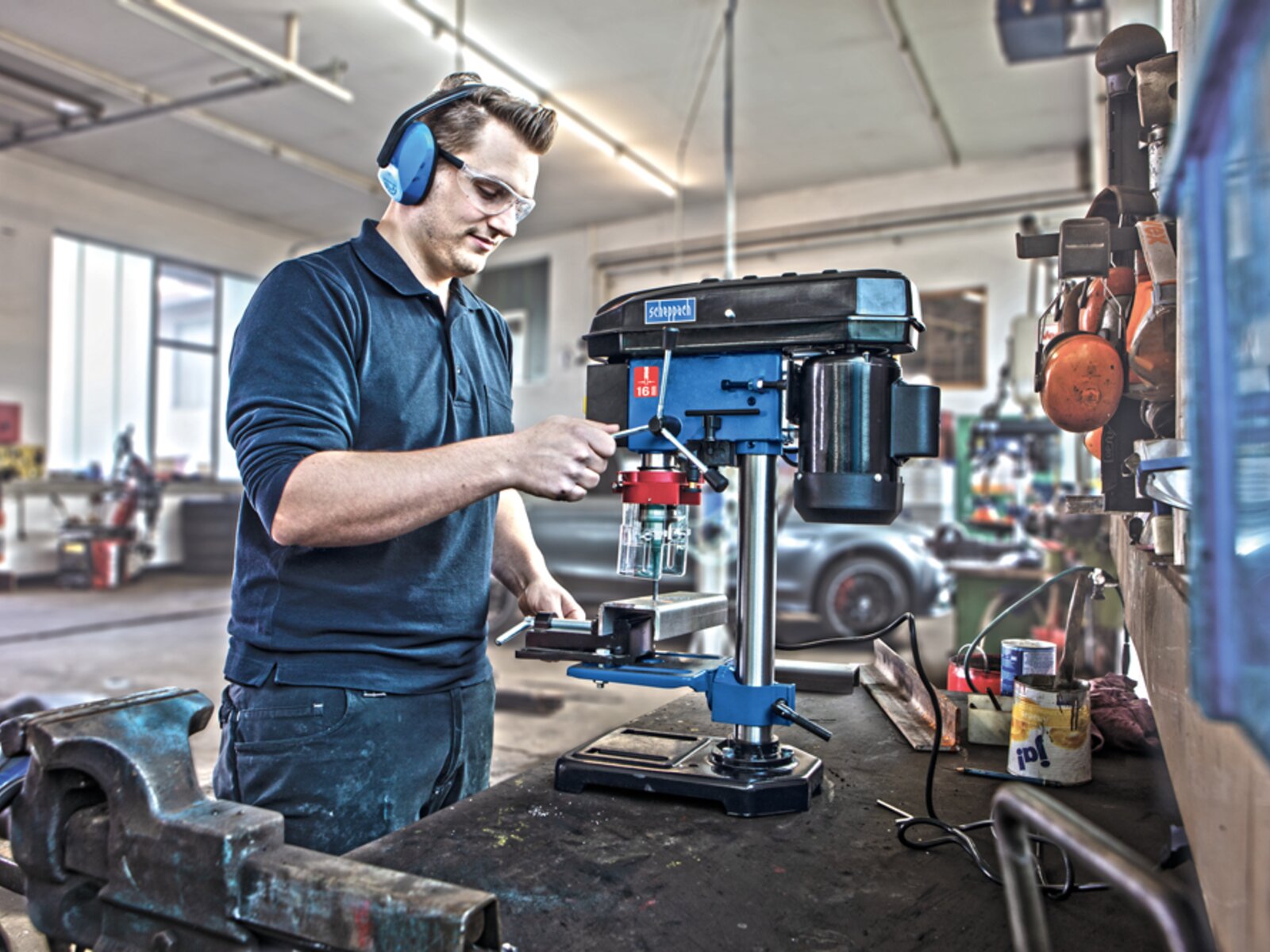
If you’re a DIY enthusiast looking to take your construction projects to the next level, then the drill press is a tool that you need to add to your arsenal. With its precise drilling capabilities and versatility, the drill press can revolutionize the way you approach construction. Whether you’re building furniture, crafting intricate woodwork, or working with metals, the drill press offers unparalleled accuracy, power, and ease of use. In this article, we’ll explore the world of construction with a drill press and discover the endless possibilities it brings to your DIY endeavors. So grab your safety goggles, put on your tool belt, and let’s dive into the exciting world of construction with a drill press!
What is a drill press?
A drill press is a versatile tool used in construction projects to create precise and accurate holes in various materials such as wood, metal, and plastic. It consists of a motor, a chuck to hold the drill bit, a spindle, and a sturdy base. The drill press allows for controlled drilling through the use of a lever or a handwheel to lower the spinning drill bit onto the workpiece.
Definition of a drill press
A drill press, also known as a bench drill or a pedestal drill, is a stationary tool that provides enhanced accuracy and stability compared to handheld drills. It is designed to be mounted on a workbench or a stand, allowing the user to drill holes at precise angles and depths. This precision makes it an indispensable tool for construction projects.
How a drill press works
A drill press functions by using a rotating drill bit that is lowered onto the workpiece. The drill bit is powered by an electric motor, which provides the necessary speed and torque to create holes with ease. The user can adjust the speed and depth of the drilling by manipulating the controls on the drill press. The drill press operates by converting the rotational motion of the motor into a vertical motion of the drill bit.
Different types of drill presses
There are various types of drill presses available, each designed for specific construction needs. The most common types include:
- Benchtop Drill Press: These compact drill presses are designed to be mounted on a workbench or table, making them ideal for smaller construction projects and DIY enthusiasts.
- Floor Drill Press: These robust drill presses have a larger capacity and are generally used for heavy-duty construction tasks. They are freestanding and provide greater stability.
- Magnetic Drill Press: This type of drill press uses a strong magnetic base to attach to ferrous metal surfaces. It is commonly used in metal fabrication and construction projects.
- Radial Arm Drill Press: With a radial arm that can rotate and position the drill head, this type of drill press offers greater versatility in drilling holes at different angles and positions.
Advantages of using a drill press for construction projects
Accuracy and precision
One of the key advantages of using a drill press is the high level of accuracy and precision it offers. The stable base and adjustable features of a drill press allow for consistent drilling depths and angles, ensuring precise holes every time. This is especially important in construction projects where precise measurements are crucial for the structural integrity or aesthetic appeal of the finished project.
Speed and efficiency
Drill presses excel in terms of speed and efficiency, enabling users to complete construction tasks quickly and effectively. The power and speed controls on a drill press allow for efficient drilling, significantly reducing the time and effort required compared to using handheld drills. This makes them ideal for projects that require drilling multiple holes or working with dense materials.
Safety features
Drill presses are equipped with various safety features that make them a safer option compared to handheld drills. Most drill presses have built-in safety stops or depth adjustments, preventing the drill bit from going too deep and causing damage. Some models also have emergency stop buttons or automatic shut-off features to prevent accidents. Additionally, the stability provided by mounting the drill press to a workbench or stand minimizes the risk of injury caused by the drill slipping or the workpiece moving.
Versatility
While drill presses are primarily used for drilling holes, they can also be adapted for other construction tasks. With the use of attachments or accessories, such as sanding drums or polishing pads, drill presses can be used for tasks like sanding and polishing surfaces. This versatility makes them a valuable tool in any construction project, allowing for greater efficiency and flexibility.
Choosing the right drill press for construction projects
Consider the power and speed
When selecting a drill press for construction projects, it is essential to consider the power and speed capabilities. The power of the motor will determine the drill press’s ability to handle different materials and drilling tasks. Higher horsepower is typically required for drilling through tougher materials like metal. Similarly, the speed range of the drill press should be adjustable to accommodate various drilling requirements.
Check for adjustable features
It is crucial to choose a drill press that offers adjustable features to cater to different drilling needs. Look for models with adjustable table heights and tilting angles, as this will provide flexibility when drilling holes at different locations and angles. Additionally, adjustable depth stops and laser guides can further enhance accuracy and precision.
Evaluate the size and weight
Consider the size and weight of the drill press to ensure it is suitable for your construction projects. If you have limited space or frequently need to transport the drill press, a compact and lightweight model may be more convenient. On the other hand, heavier and larger drill presses provide greater stability and are better suited for heavy-duty tasks.
Look for additional accessories
Some drill presses come with additional accessories that can enhance their functionality and versatility. Look for models that include a variety of drill bits in different sizes and types, as well as attachments for sanding, polishing, or mortising. These accessories can save you time and money by eliminating the need for separate tools for different tasks.
Setting up and preparing the drill press for construction work
Securing the drill press to a stable surface
Before using a drill press for construction work, it is essential to secure the drill press to a stable surface. This can be a workbench, table, or dedicated stand designed for drill presses. Ensure that the surface is strong and sturdy enough to support the weight of the drill press and withstand the force exerted during drilling.
Adjusting the height and angle of the drill press
To achieve accurate drilling results, the height and angle of the drill press need to be adjusted according to the specific project requirements. The table height should be set so that the workpiece can be easily positioned and accessed without straining or bending. Adjusting the angle of the table or the drill head can allow for drilling holes at precise angles or into hard-to-reach areas.
Installing the appropriate drill bits
Selecting the correct drill bit for the material and the desired hole size is crucial for a successful construction project. Install the appropriate drill bit into the drill press chuck and tighten it securely. Ensure that the drill bit is centered in the chuck to avoid any wobbling or imprecision during drilling.
Checking and adjusting the speed settings
Drill presses usually have multiple speed settings to accommodate different materials and drill bit sizes. Consult the manufacturer’s instructions or refer to drilling speed charts to determine the appropriate speed for the material being drilled. Adjust the speed according to the drill press’s controls, ensuring smooth and efficient drilling.
Common construction tasks that can be done with a drill press
Drilling precise holes
The primary function of a drill press is drilling precise and accurate holes. Whether it is creating pilot holes for screws, drilling shelf pin holes, or making large holes for pipes, a drill press provides the control and precision needed for perfect hole alignment and depth.
Countersinking and counterboring
In construction projects, it is often necessary to create recessed areas for screws or bolts. A drill press can easily perform countersinking and counterboring tasks, ensuring that the heads of screws or bolts are flush with or below the surface of the workpiece.
Reaming and enlarging holes
Sometimes, holes need to be enlarged or adjusted for a proper fit. A drill press can be used with reamers or stepped drill bits to precisely enlarge existing holes to the desired diameter, achieving a clean and accurate result.
Sanding and polishing
With the use of sanding drums or polishing pads, a drill press can be transformed into a sanding or polishing tool. This is particularly useful for smoothing rough surfaces, shaping edges, or achieving a polished finish on wood, metal, or plastic construction materials.
Tips for safely operating a drill press during construction
Wearing appropriate safety gear
When operating a drill press for construction work, it is crucial to wear the necessary safety gear. This includes safety glasses or goggles to protect the eyes from flying debris, ear protection to reduce noise levels, and appropriate clothing to protect against loose clothing or jewelry getting caught in the drill press.
Securing the workpiece
Ensure that the workpiece is securely clamped or held in place before drilling. Unsecured workpieces can shift or rotate during drilling, leading to inaccurate holes or potential injuries. Use clamps or holding devices to firmly secure the workpiece to the drill press table, ensuring stability throughout the drilling process.
Using clamps and guides
In addition to securing the workpiece, clamps and guides can be used to further enhance safety and accuracy. Clamps can help stabilize larger or irregularly shaped workpieces, preventing them from moving during drilling. Guides, such as fence attachments, can assist in drilling straight and parallel holes, minimizing the risk of drilling off-center or at incorrect angles.
Avoiding excessive force or pressure
Let the drill press do the work by applying moderate and consistent force. Avoid using excessive pressure on the drill bit, as it can lead to overheating, excessive wear, or damage to the drill bit, and potentially cause the workpiece to splinter or crack. Maintain a steady and controlled drilling speed for best results.
Maintaining and caring for a drill press
Regular cleaning and lubrication
To ensure optimal performance and longevity, it is important to clean and lubricate your drill press regularly. Remove any debris or dust that may accumulate on the drill table, chuck, and driveshaft. Apply an appropriate lubricant to the moving parts and ensure that the chuck and spindle are kept clean and free from dirt or debris.
Checking for any loose or damaged parts
Inspect your drill press for any loose or damaged parts before each use. Check the belts, pulleys, and bearings for signs of wear or damage. Tighten any loose screws or fasteners and replace any worn or damaged parts promptly. Regular maintenance and inspections can prevent accidents and ensure the drill press operates smoothly.
Replacing worn-out drill bits
Drill bits are subject to wear and tear over time, especially when drilling into hard materials. Replace worn-out drill bits promptly to ensure the quality and accuracy of your drilling. Using dull or damaged drill bits can result in poor drilling performance, increased risk of accidents, and may damage the workpiece.
Storing the drill press properly
When not in use, store your drill press in a clean, dry, and well-ventilated area. Keep it away from moisture, extreme temperatures, and corrosive substances. Use a protective cover or case to prevent dust and debris buildup. Storing the drill press properly will prolong its lifespan and maintain its functionality.
Common mistakes to avoid when using a drill press for construction
Neglecting to wear safety gear
One of the most common mistakes people make is neglecting to wear the necessary safety gear when operating a drill press. Safety glasses, ear protection, and appropriate clothing are vital to prevent injuries from flying debris, noise, and entanglement hazards. Always prioritize your safety and use the proper gear.
Using the wrong drill bit for the material
Using the wrong drill bit for the material can result in poor drilling performance or possible damage to both the drill press and the workpiece. Different materials require different types of drill bits, such as wood bits for wood, metal bits for metal, and masonry bits for concrete. Ensure you select the correct drill bit for the intended material.
Applying too much pressure
Applying excessive force or pressure while drilling is another common mistake. Let the drill press do the work by using a moderate and consistent downward force. Applying too much pressure can cause the drill bit to overheat, wear out prematurely, or break. Maintain a steady drilling speed without forcing the drill bit.
Not securing the workpiece properly
Failing to secure the workpiece properly can lead to accidents and inaccurate drilling results. Always ensure the workpiece is securely clamped or held in place before drilling. Unsecured workpieces can rotate or move during drilling, resulting in misaligned or skewed holes, potential injuries, or damage to the workpiece.
Troubleshooting common issues with a drill press
Drill bit getting stuck
If the drill bit gets stuck in the workpiece, stop the drill press immediately and reverse the rotational direction. Apply gentle force while slowly removing the drill bit from the workpiece. Clean any debris or dust off the drill bit and chuck before continuing.
Uneven drilling depth
Uneven drilling depth can be caused by an uneven workpiece, a misaligned drill bit, or an issue with the drill press’s depth stop. Ensure the workpiece is securely clamped and leveled, and check the alignment of the drill bit. Adjust the depth stop or use a separate depth gauge to ensure consistent drilling depths.
Motor overheating
If the motor of the drill press overheats, it is usually a sign of excessive drilling without breaks or insufficient lubrication. Allow the motor to cool down before continuing, and periodically lubricate the moving parts of the drill press as recommended by the manufacturer. Avoid continuous drilling for extended periods without giving the motor a chance to cool down.
Excessive vibration
Excessive vibration can be caused by an unbalanced or worn-out drill bit, loose parts, or alignment issues. Check the drill bit for damage or wear, tighten any loose screws or fasteners, and ensure the drill press is securely mounted or positioned on a stable surface. If the issue persists, it may be necessary to consult a professional or the manufacturer.
Conclusion
A drill press is an invaluable tool for construction projects, providing precision, efficiency, and safety. By choosing the right drill press, taking necessary precautions, and properly maintaining it, you can enjoy the benefits of accurate drilling and increased productivity. Remember to always prioritize safety, follow the manufacturer’s instructions, and be mindful of common mistakes to avoid. With the right techniques and practices, a drill press can be a valuable asset in your construction toolkit.