If you’re a DIY enthusiast looking to up your drilling game, you’ve come to the right place! In this article, we will be exploring the various types of drill presses available in the market. Whether you’re a beginner or a seasoned pro, understanding the different drill press options can help you make an informed decision when it comes to picking the right tool for your projects. So, let’s dive right in and explore the world of drill presses!

This image is property of pixabay.com.
1. Benchtop Drill Press
Overview
A benchtop drill press is a compact and versatile tool that is designed for use on a workbench or any other stable surface. It is commonly used by DIY enthusiasts, woodworkers, and metalworkers for drilling precise holes in various materials such as wood, metal, and plastic. Benchtop drill presses are usually smaller in size compared to floor models, making them suitable for smaller workshops or limited spaces.
Features
Some common features of benchtop drill presses include adjustable speed settings, a depth stop for controlling drilling depth, a worktable that can be tilted or swiveled for angled drilling, and a chuck key for tightening and loosening the drill bit. Many benchtop drill presses also come with built-in laser guides or LED lights for enhanced accuracy.
Advantages
One of the key advantages of a benchtop drill press is its portability. You can easily move it around your workshop or take it to different job sites as needed. Additionally, benchtop models are generally more affordable compared to larger drill presses, making them a cost-effective option for DIY enthusiasts or hobbyists. Despite their compact size, benchtop drill presses still offer sufficient power and precision for most drilling tasks.
Disadvantages
While benchtop drill presses are versatile, they may have limitations in terms of drilling capacity and power compared to larger floor models. The size of the worktable may also be smaller, which can restrict the size of the materials that can be drilled. Additionally, benchtop models may have limited speed options, which might not be suitable for certain drilling applications. It’s important to consider your specific needs and the type of projects you will be working on before choosing a benchtop drill press.
2. Floor Drill Press
Overview
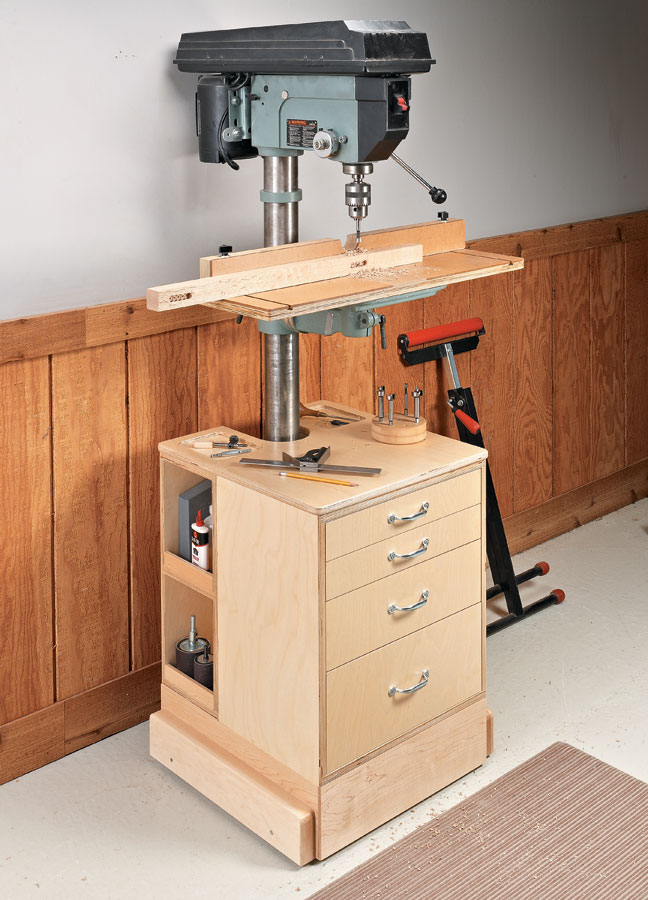
A floor drill press, as the name suggests, is a drill press that is mounted on a sturdy and stable floor stand. This type of drill press is commonly found in professional workshops and industrial settings where heavy-duty drilling tasks are performed. With their larger size and enhanced power, floor drill presses are capable of tackling more demanding drilling projects.
Features
Floor drill presses typically have a larger drilling capacity compared to benchtop models, allowing you to drill larger holes in thicker materials. They also offer a wider range of speed options, which can be adjusted to match the specific requirements of different drilling tasks. Floor models often come equipped with a more robust motor and a heavy-duty worktable that can be easily adjusted to accommodate various workpieces.
Advantages
A significant advantage of a floor drill press is its robustness and stability. The floor stand provides a solid and secure base, minimizing vibrations and ensuring precise drilling. The increased drilling capacity and power make it suitable for heavy-duty applications, such as drilling through thick metals or hardwoods. The adjustable speed settings allow for optimal control and adaptability to different drilling materials and bit sizes.
Disadvantages
The main disadvantage of a floor drill press is its size and immobility. The larger footprint and heavier weight make it less portable and more challenging to move around compared to benchtop models. Additionally, floor drill presses tend to be more expensive, so they may not be suitable for those on a tight budget or hobbyists who do not require heavy-duty drilling capabilities. It’s important to consider the available space and the types of projects you will be working on before investing in a floor drill press.
3. Magnetic Drill Press
Overview
A magnetic drill press, also known as a mag drill or a portable magnetic drill, is a specialized type of drill press that uses a strong electromagnetic base for secure attachment to ferrous materials. This unique design allows for drilling in vertical, horizontal, or even upside-down positions, making it ideal for drilling holes in steel structures, pipes, or other metalwork.
Features
The key feature of a magnetic drill press is its powerful electromagnetic base, which adheres firmly to the metal surface being drilled. This provides stability and eliminates the need for clamping or additional support. Magnetic drill presses also come with adjustable speed options, depth stops, and variable feed rates for precise and controlled drilling. Some models are equipped with a coolant system to prolong tool life and improve drilling efficiency.
Advantages
The main advantage of a magnetic drill press is its versatility and ability to drill holes in unconventional positions. The strong magnetic base ensures a secure hold, even under challenging drilling conditions, such as upside-down drilling or drilling on curved surfaces. The portable nature of magnetic drill presses allows for easy transportation to job sites, making them popular among metalworkers, construction workers, and pipefitters.
Disadvantages
One of the notable disadvantages of magnetic drill presses is their limitation to ferrous materials only. They cannot be used on non-magnetic materials like wood or plastic. Additionally, magnetic drill presses tend to be more expensive compared to other types of drill presses, mainly due to their specialized design and unique capabilities. The combination of the magnetic base and the drill unit can also make them bulkier and heavier to handle, making them less suitable for delicate or intricate drilling tasks.
4. Radial Drill Press
Overview
A radial drill press, also known as an inclined drill press, is a versatile drilling tool that offers greater flexibility and reach compared to other types of drill presses. Its design allows the drill head to move along an arm and rotate around a vertical column, providing a radial motion that extends the reach of the drilling operation.
Features
The key feature of a radial drill press is its adjustable arm, which can be positioned to different angles, allowing for drilling at various positions on a workpiece. This flexibility is particularly useful for drilling holes in large or bulky materials where repositioning the workpiece would be impractical. Radial drill presses also come with a wide range of speed settings, adjustable depth stops, and swiveling worktables for enhanced accuracy and versatility.
Advantages
One of the significant advantages of a radial drill press is its ability to drill at different angles and reach challenging areas that may be inaccessible with other types of drill presses. Its radial arm design provides extended reach, making it suitable for drilling holes in larger workpieces or materials that cannot be moved easily. The adjustable speed settings allow for optimal control, and the depth stops ensure consistent drilling depths.
Disadvantages
Despite their flexibility and versatility, radial drill presses tend to be bulkier and heavier compared to other types of drill presses, making them less portable. The extended reach provided by the radial arm may also introduce some stability issues, leading to increased vibrations and reduced accuracy. Due to their more complex design, they can also be more expensive compared to simpler drill press models. It’s important to consider the space available and the types of projects you will be working on before choosing a radial drill press.
5. Mini Drill Press
Overview
A mini drill press, also known as a tabletop drill press, is a small-sized and compact version of a standard drill press. This type of drill press is designed for smaller drilling tasks and is commonly used by hobbyists, crafters, and those with limited workspace.
Features
Mini drill presses typically have a smaller drilling capacity compared to larger models, but they still offer sufficient power for drilling holes in softer materials like wood, plastic, or light metals. They often come with adjustable speed settings, a worktable that can be tilted or swiveled, and a depth stop for controlled drilling depths. The compact size of mini drill presses allows for easy storage and portability.
Advantages
The main advantage of a mini drill press is its compact size, which makes it ideal for those with limited space or who need a portable drilling solution. Its smaller footprint allows it to be placed on a tabletop, workbench, or any other stable surface, and it can easily be stored when not in use. Mini drill presses are also more affordable compared to larger models, making them accessible to hobbyists, DIY enthusiasts, and beginners.
Disadvantages
Due to their small size, mini drill presses may have limitations in terms of drilling capacity and power. They are best suited for lighter drilling tasks and may not be suitable for heavy-duty applications or drilling through thick materials. The smaller worktable size may also restrict the size of materials that can be drilled. It’s important to consider the specific drilling requirements and the intended use of the drill press before opting for a mini drill press.
6. Portable Drill Press
Overview
A portable drill press is a compact and lightweight drill press that can be easily moved around and used in various locations. It is designed for those who require the functionality of a drill press but need the flexibility to work in different environments.
Features
Portable drill presses are typically smaller in size and come with a sturdy carrying handle for easy transportation. They have adjustable speed settings, depth stops, and worktables that can be tilted or swiveled to accommodate different drilling angles. Some portable models also offer battery-powered options for even greater mobility.
Advantages
The main advantage of a portable drill press is its mobility. Whether you need to work on different job sites or move your workspace around, a portable drill press allows you to bring the tool wherever it’s needed. You don’t have to sacrifice the functionality of a drill press for the sake of portability. Portable drill presses still provide sufficient power and precision for drilling tasks while being lightweight and easy to handle.
Disadvantages
The size and power of portable drill presses may be more limited compared to larger stationary models. They might not be suitable for heavy-duty or high-volume drilling tasks. The smaller worktable size can also restrict the size of the materials that can be drilled. Additionally, portable drill presses may be slightly more expensive compared to traditional drill presses due to their added mobility features. It’s important to assess your specific drilling needs and the level of portability required before investing in a portable drill press.
7. Stand Drill Press
Overview
A stand drill press, also known as a bench drill press or a pedestal drill press, is a floor-standing drill press that provides stability and support similar to a floor model but with a smaller footprint. It combines the advantages of a floor drill press and a benchtop drill press, making it suitable for those who require a sturdy and versatile drilling tool.
Features
Stand drill presses feature a compact design that can be placed on a workbench or any other stable surface. They come with adjustable height and angle options, allowing you to customize the position and orientation of the drilling operation. Stand drill presses also have a wide range of speed settings, depth stops, and swiveling worktables for enhanced precision.
Advantages
A major advantage of a stand drill press is its stability and support. The stand provides a solid base, minimizing vibrations and ensuring accurate drilling. The adjustable height and angle options allow for optimal positioning of the workpiece and the drill bit, ensuring precise and controlled drilling. The compact size of stand drill presses makes them suitable for those with limited workshop space or who require mobility.
Disadvantages
While stand drill presses offer stability and versatility, they may have limitations in terms of drilling capacity compared to larger floor models. The size of the worktable may also be smaller, which can restrict the size of the materials that can be drilled. Additionally, stand drill presses may be slightly less portable compared to benchtop or portable models due to their heavier weight. It’s important to consider your specific needs and the available space in your workshop before choosing a stand drill press.
8. Radial Arm Drill Press
Overview
A radial arm drill press is a specialized drill press that combines the radial motion of a radial drill press with the movable arm of a radial drill. It is designed for heavy-duty drilling operations and offers exceptional reach and versatility.
Features
The key feature of a radial arm drill press is the movable arm that can be adjusted to different positions, including height, angle, and reach. This allows for drilling holes in various locations on large workpieces or materials that are difficult to move. Radial arm drill presses also have adjustable speed settings, depth stops, and swiveling worktables for enhanced precision and control.
Advantages
One of the significant advantages of a radial arm drill press is its extended reach and flexibility. The adjustable arm allows you to drill holes in areas that are inaccessible with other types of drill presses. This makes it suitable for drilling holes in large machinery, metal fabrication, or other industrial applications. The robust construction and increased drilling capacity of radial arm drill presses make them well-suited for heavy-duty drilling tasks.
Disadvantages
Radial arm drill presses tend to be larger, heavier, and more expensive compared to other types of drill presses. Their intricate design and extended reach can introduce stability issues and potentially higher vibrations during drilling. Additionally, the various adjustable features may require additional setup and adjustments, which can be time-consuming. It’s important to consider the available space and the specific drilling requirements before investing in a radial arm drill press.
9. Multi-Speed Drill Press
Overview
A multi-speed drill press, also known as a variable-speed drill press, is a type of drill press that offers multiple speed settings that can be adjusted to match the requirements of different drilling tasks.
Features
Multi-speed drill presses come with a range of speed options, usually achieved through adjustable belts or speed settings that can be easily changed. This versatility allows you to select the optimal speed for drilling different materials and using various drill bit sizes. Multi-speed drill presses also typically have adjustable depth stops, worktables that can be tilted or swiveled, and laser guides or LED lights for improved accuracy.
Advantages
The main advantage of a multi-speed drill press is its ability to adapt to different drilling materials and bit sizes. Whether you’re drilling through wood, metal, or plastic, or using small or large drill bits, a multi-speed drill press allows you to select the appropriate speed to achieve the best results. This flexibility enhances control, precision, and overall drilling efficiency.
Disadvantages
While multi-speed drill presses offer versatility, they may have limitations in terms of drilling power compared to more specialized drill presses. They may not be suitable for heavy-duty or high-volume drilling tasks. Additionally, the multiple speed options may require additional adjustments and setup, which can be time-consuming. It’s important to consider the specific drilling requirements and the level of versatility needed before opting for a multi-speed drill press.
10. Variable Speed Drill Press
Overview
A variable speed drill press is a drill press that allows for continuous adjustment of the drilling speed, providing optimal control and adaptability to different drilling tasks.
Features
Variable speed drill presses come with a knob or dial that allows you to adjust the drilling speed smoothly and continuously. This feature enables you to match the drilling speed to the specific requirements of different materials, drill bits, or drilling techniques. Variable speed drill presses also typically have adjustable depth stops, worktables that can be tilted or swiveled, and laser guides or LED lights for enhanced accuracy.
Advantages
The primary advantage of a variable speed drill press is its ability to fine-tune the drilling speed according to specific drilling requirements. This ensures optimal results, prevents overheating or damage to the material, and prolongs the life of the drill bit. The continuous adjustment feature provides optimal control, adaptability, and precision.
Disadvantages
Variable speed drill presses may be more expensive compared to drill presses with fixed speed settings. The continuous adjustment feature may also require additional setup and adjustments, which can be time-consuming. Additionally, variable speed drill presses may not have the same drilling power as more specialized or heavy-duty models. It’s important to assess your specific drilling needs and the level of speed control required before investing in a variable speed drill press.
In conclusion, drill presses come in various types, each offering unique features and advantages suited to different drilling requirements. Whether you prioritize portability, flexibility, power, or precision, there is a drill press available to meet your needs. Take into consideration your specific projects, available space, and budget when choosing the right drill press for your workshop. With the right drill press, you can enhance your drilling capabilities and achieve accurate and efficient results in your DIY projects or professional work.