Are you a DIY enthusiast with a passion for woodworking? If so, then you’re probably no stranger to using a drill press for your projects. While drill presses are essential tools in any workshop, they can sometimes be plagued by excessive vibration. In this article, we will explore the various causes of drill press excessive vibration and provide you with practical solutions to mitigate this issue. So, if you’ve ever wondered why your drill press shakes uncontrollably during operation, keep reading to find out the answers you’ve been looking for.

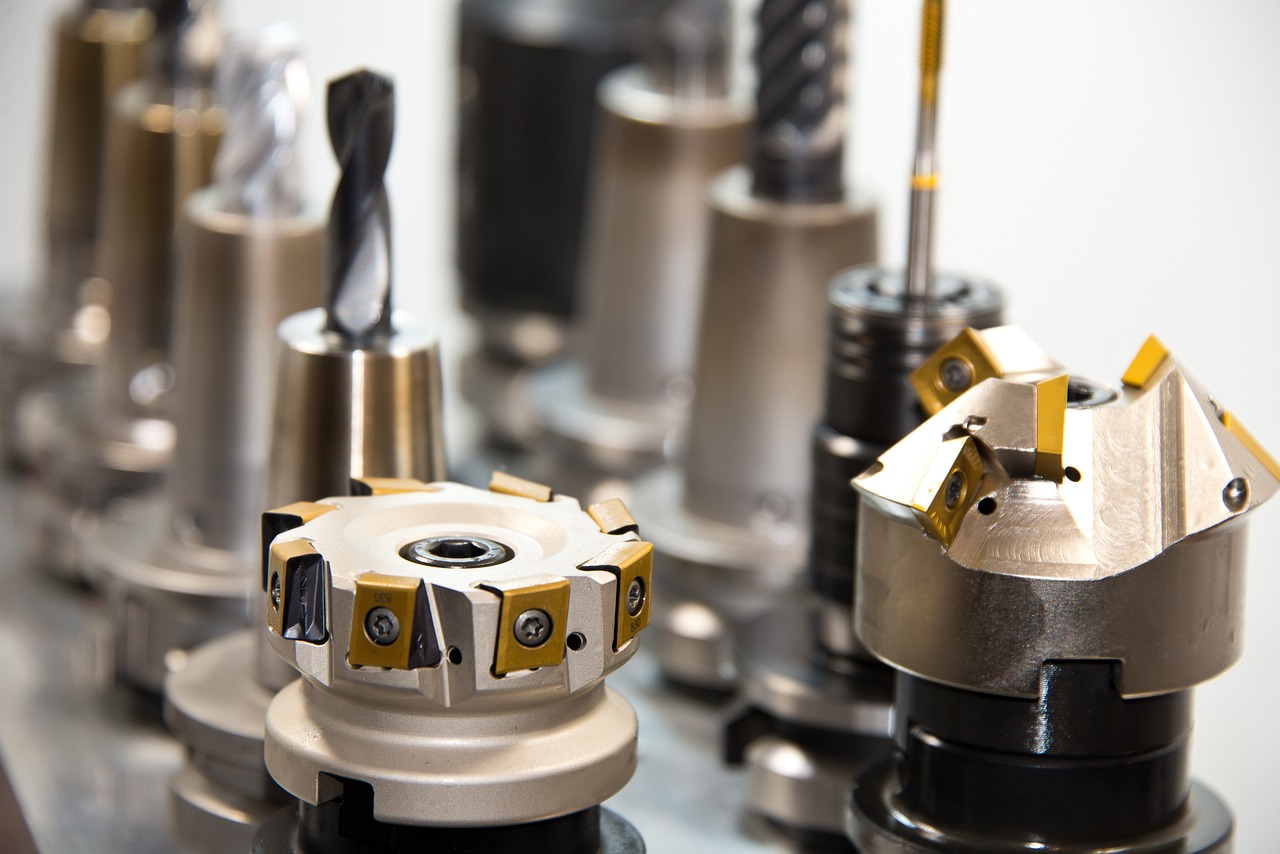
This image is property of pixabay.com.
Imbalanced or Worn-out Drill Bit
Dull or uneven cutting edges
One possible cause of excessive vibration in a drill press could be a dull or uneven cutting edge on the drill bit. When a drill bit becomes worn out or damaged, it may not be able to cut through the material smoothly. This can lead to vibrations as the drill struggles to make its way through the workpiece.
Excessive material buildup
Another reason for vibration could be the accumulation of excessive material on the drill bit. When drilling, debris can get stuck on the cutting edges, causing imbalance and increasing friction. This buildup can lead to a decrease in drilling efficiency and result in vibrations.
Loose or worn out chuck
A loose or worn out chuck can also contribute to the excessive vibration of a drill press. The chuck is responsible for securely holding the drill bit in place. When it becomes loose or worn out, it may not be able to hold the drill bit firmly, causing it to wobble and create vibrations during operation.
Misalignment of drill bit
Misalignment of the drill bit can be another factor behind the excessive vibration in a drill press. If the drill bit is not perfectly centered in the chuck or if it is not aligned with the workpiece, it can result in a wobbling motion during drilling. This misalignment can cause vibrations and affect the accuracy of the drilling process.
Inadequate Workpiece Clamping
Insufficient pressure on workpiece
When a workpiece is not clamped with sufficient pressure, it can lead to vibrations. Without proper clamping, the workpiece may move or shift during drilling, causing the drill bit to catch or bind. This can result in vibrations and also pose a safety risk to the operator.
Poorly positioned or loosely secured workpiece
Similarly, a poorly positioned or loosely secured workpiece can contribute to excessive vibration. The workpiece needs to be securely positioned and fixed in place to ensure stability during drilling. If the workpiece is not properly positioned or if it is loosely secured, it can lead to vibrations as the drill bit interacts with the workpiece.
Incompatible or unstable workpiece material
Using an incompatible or unstable workpiece material can also cause vibrations in a drill press. Certain materials, such as lightweight or flexible materials, may not provide the necessary stability when drilling. This can result in vibrations as the drill bit encounters resistance or uneven surfaces in the workpiece.

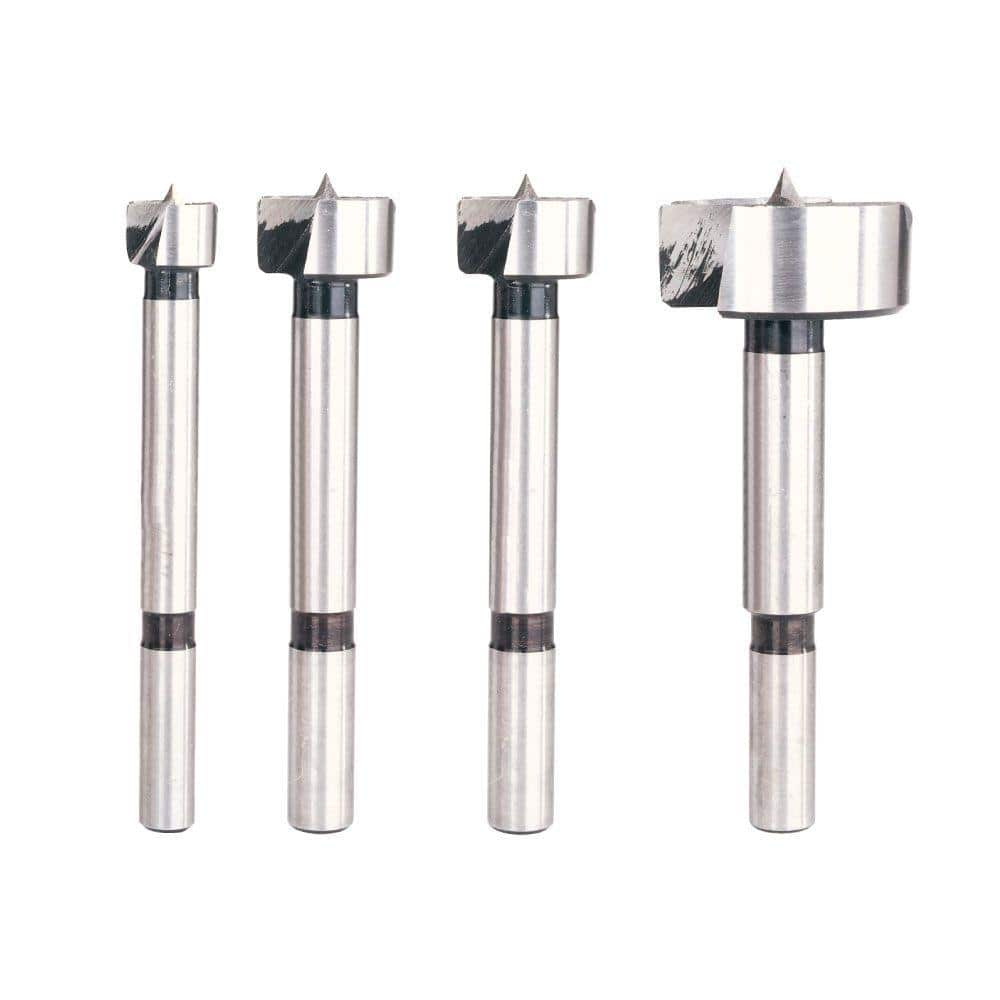
This image is property of pixabay.com.
Lack of Proper Lubrication
Insufficient lubrication on drill bit
Proper lubrication is vital for the smooth operation of a drill press. Insufficient lubrication on the drill bit can lead to increased friction and heat generation. This can cause the drill bit to bind or seize, resulting in vibrations during drilling.
Dry or rusted drill press components
If the components of the drill press, such as the spindle, quill, or chuck, are dry or rusted, it can impact their smooth functioning. Dry or rusted components can create friction and resistance, leading to vibrations during operation. Regular lubrication and maintenance of the drill press can help prevent this issue.
Ineffective lubrication system
In some cases, the drill press may have an ineffective lubrication system or no lubrication system at all. Without a proper lubrication system, the components of the drill press may not receive the necessary lubrication to minimize friction and vibrations. This can result in decreased performance and increased wear and tear on the drill press.
Inaccurate Drill Press Setup
Uneven or unstable work surface
An uneven or unstable work surface can contribute to excessive vibration in a drill press. If the drill press is not set up on a level and stable surface, it can affect the stability and balance of the entire machine. This can lead to vibrations during drilling and impact the accuracy of the results.
Incorrect drill bit speed or feed rate
Using incorrect drill bit speed or feed rate can also cause vibration in a drill press. Different materials and drill bit sizes require specific speeds and feed rates for optimal performance. Using the wrong speed or feed rate can lead to excessive vibration and poor drilling results.
Improper alignment of drill press components
Improper alignment of drill press components, such as the spindle, chuck, or table, can result in vibrations. If these components are not aligned correctly, the drill bit may not be able to move smoothly, causing vibrations. Regular checks and adjustments of the drill press components can help maintain proper alignment and reduce vibrations.

This image is property of pixabay.com.
Defective Drill Press Components
Worn out bearings
Worn-out bearings in a drill press can be a significant cause of excessive vibration. Bearings are responsible for reducing friction and ensuring smooth rotation of the drill press components. When bearings become worn out, they may not function properly, leading to increased friction and vibrations during operation.
Damaged motor or belt
A damaged motor or belt can also contribute to excessive vibration in a drill press. If the motor or belt is worn out, damaged, or misaligned, it can affect the power transmission and balance of the drill press. This can result in vibrations during drilling.
Faulty pulleys or drive system
Faulty pulleys or drive systems can cause vibrations in a drill press. Pulleys are responsible for transferring power from the motor to the drill press components. If the pulleys or drive system are faulty or misaligned, it can lead to uneven power distribution and vibrations.
Broken or bent quill
Lastly, a broken or bent quill can cause excessive vibration in a drill press. The quill is the part of the drill press that holds the spindle and moves up and down. If the quill is broken or bent, it can result in an unstable spindle and vibrations during drilling.
Operator Error
Excessive pressure or force applied
When operating a drill press, using excessive pressure or force can lead to excessive vibration. Applying too much force on the drill bit can cause it to bind or catch in the material, resulting in vibrations. It is important to use the appropriate amount of pressure for the specific drilling task.
Incorrect drill bit for the material
Using the incorrect drill bit for the material being drilled can also cause vibration. Different materials require different types of drill bits designed for specific purposes. Using the wrong drill bit can result in poor cutting performance, increased friction, and vibrations.
Improper drilling technique
Improper drilling technique can contribute to excessive vibration in a drill press. Techniques such as drilling at high speeds, not maintaining a steady feed rate, or not using proper cutting fluids can result in vibrations. It is important to follow proper drilling techniques to ensure smooth operation and minimize vibrations.
Vibration Transmission from External Sources
Unbalanced workbench or floor
An unbalanced workbench or floor can transmit vibrations to the drill press. If the workbench or floor on which the drill press is placed is not level or stable, it can amplify vibrations and affect the performance of the drill press. Ensuring a stable and balanced work surface can help reduce vibrations.
Vibrations from nearby machinery or equipment
Vibrations from nearby machinery or equipment can also impact the performance of a drill press. If there are other machines or equipment operating in close proximity to the drill press, their vibrations can transfer to the drill press, leading to increased vibration levels. Isolating the drill press from such sources can help reduce vibrations.
Out-of-Balance Flywheel
Uneven weight distribution on flywheel
If the flywheel of a drill press has an uneven weight distribution, it can result in excessive vibration. The flywheel helps maintain balance and provides smooth rotation during drilling. Any imbalance in the weight distribution of the flywheel can lead to vibrations during operation.
Deformed or damaged flywheel
A deformed or damaged flywheel can also cause excessive vibration in a drill press. If the flywheel is bent, cracked, or otherwise damaged, it can impact its ability to maintain balance. This can result in vibrations during drilling.
Power Supply Issues
Insufficient power input
Insufficient power input can cause vibrations in a drill press. If the power supply is not able to provide the necessary voltage and current to the drill press motor, it can result in decreased performance and increased vibration levels.
Voltage fluctuations
Fluctuations in voltage can also contribute to vibrations. If the voltage supplied to the drill press motor fluctuates, it can lead to inconsistent power delivery and affect the smooth operation of the drill press. Voltage stabilizers or regulators can help mitigate this issue.
Wiring or connection problems
Wiring or connection problems in the power supply can also cause vibrations. Loose or faulty connections, damaged wiring, or inadequate wiring gauge can result in electrical resistance and heat generation. These issues can affect the stability and performance of the drill press, leading to vibrations.
Drilling Hard Materials
Conducting improper speed for hard materials
When drilling hard materials, using the improper speed can result in excessive vibration. Hard materials require slower drilling speeds to prevent overheating, binding, or breakage of the drill bit. Using high speeds can cause increased friction and vibrations.
Using wrong type of drill bit for hard materials
Using the wrong type of drill bit for hard materials can also lead to excessive vibration. Hard materials require drill bits specifically designed for drilling through them. Using a drill bit not intended for such materials can result in poor cutting performance, increased resistance, and vibrations.
Insufficient cooling and heat dissipation
Drilling hard materials generates heat, and insufficient cooling and heat dissipation can contribute to vibrations. Heat can cause the drill bit to become dull or damaged, resulting in increased friction and vibrations. Proper cooling techniques, such as using cutting fluids or periodically stopping to allow the drill bit to cool down, can help minimize vibrations.
In conclusion, there are various factors that can contribute to excessive vibration in a drill press. These include issues with the drill bit, inadequate workpiece clamping, lack of proper lubrication, inaccurate drill press setup, defective components, operator error, vibration transmission from external sources, out-of-balance flywheel, power supply issues, and challenges in drilling hard materials. Understanding and addressing these causes can help improve the performance, safety, and efficiency of a drill press. Regular maintenance, proper technique, and attention to detail are essential in reducing vibration and ensuring optimal results when using a drill press.