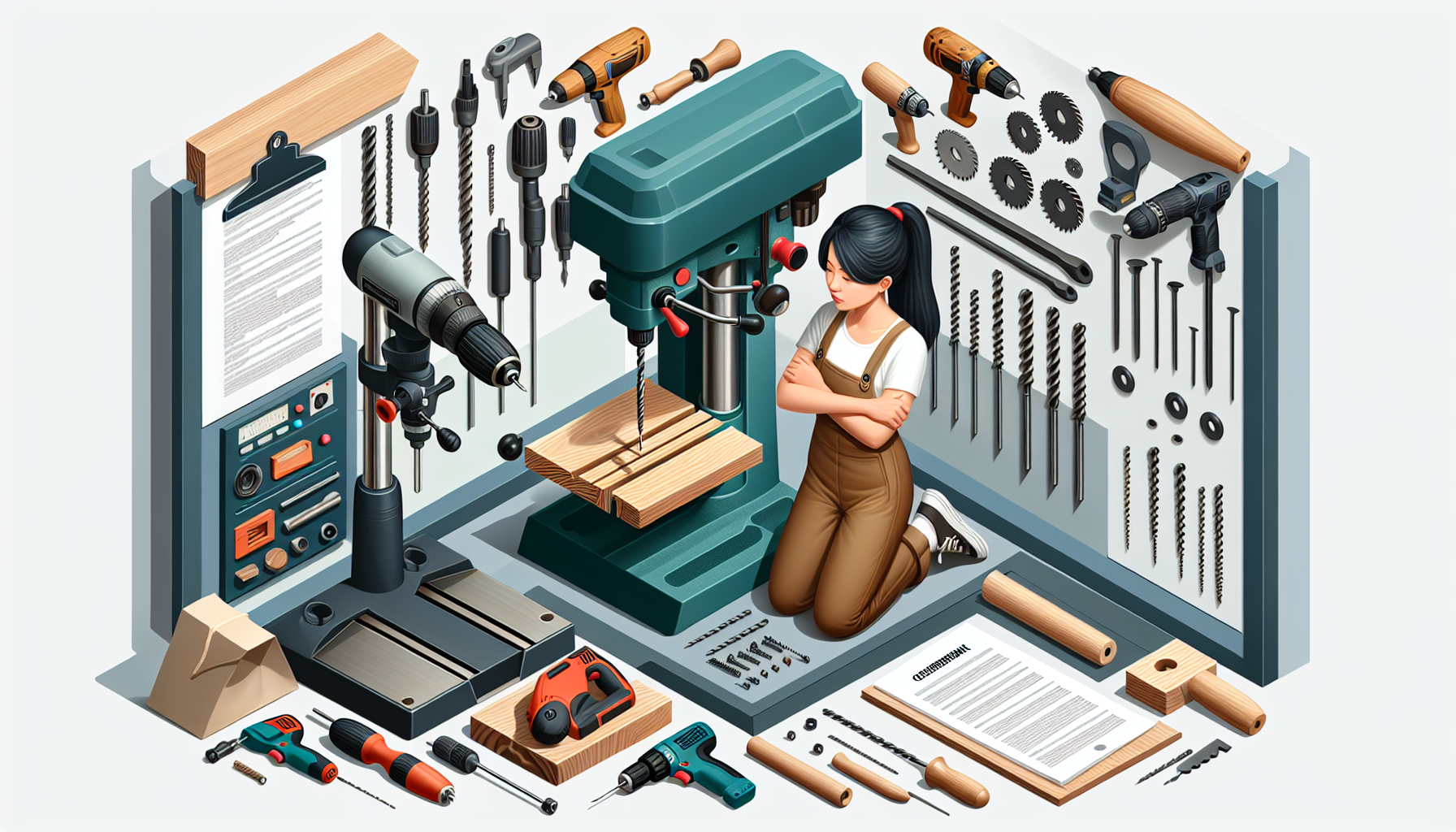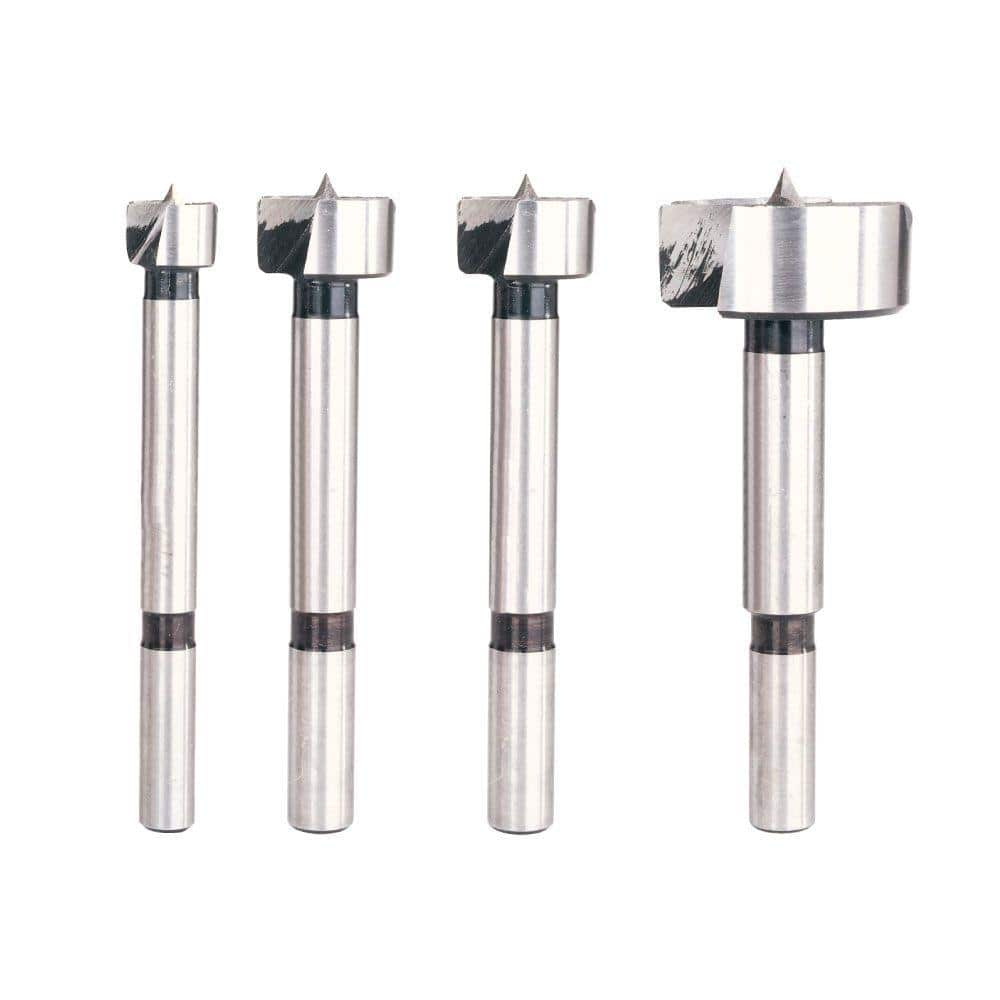
Whether you’re a professional woodworker or a DIY enthusiast, having the right tools is essential for achieving precision and efficiency in your projects. One tool that can greatly enhance the capabilities of your drill press is a set of Forstner drill bits. Designed specifically for woodworking, these bits excel at creating clean and smooth holes with flat bottoms, making them perfect for tasks such as drilling pocket holes, creating mortises, or boring holes for hinges. In this article, we’ll explore the benefits of using Forstner drill bits with your drill press, and how they can elevate your woodworking projects to the next level.
What are Forstner drill bits?
Explanation of Forstner drill bits
Forstner drill bits are specialized cutting tools that are commonly used in woodworking projects. They are named after their inventor, Benjamin Forstner, who developed the design in the mid-19th century. These drill bits are known for their ability to create clean, flat-bottomed holes in a variety of materials, including wood, plastic, and even some metals.
Unlike traditional twist drill bits that have a pointed tip, Forstner drill bits have a flat cutting edge with saw-like teeth around the perimeter. This unique design allows them to bore holes with minimal tear-out and produce precise and clean-cut results. The flat-bottomed holes created by Forstner drill bits are particularly useful in woodworking applications where the holes need to be smooth and precise for joinery techniques or for countersinking screws and bolts.
How they differ from other drill bits
While there are various types of drill bits available for different applications, Forstner drill bits stand out because of their design and cutting capabilities. Unlike twist drill bits that are commonly used for general drilling tasks, Forstner bits excel at creating large, flat-bottomed holes of various sizes. They are specifically designed for woodworking applications where precision and clean-cut results are paramount.
Compared to spade bits, another type of drill bit commonly used for woodworking projects, Forstner drill bits offer several advantages. Spade bits tend to produce holes with a rougher surface and can cause more tear-out, making them less suitable for projects that require a smooth finish. Forstner bits, on the other hand, produce clean and precise holes with minimal tear-out, making them ideal for tasks that require high-quality results.
Benefits of using Forstner drill bits
Using Forstner drill bits in your woodworking projects offers several benefits. Firstly, their unique design allows them to create clean and precise flat-bottomed holes, making them ideal for various joinery techniques and for countersinking fasteners. The flat-bottomed holes created by Forstner bits also make it easier to accurately position and align dowels, ensuring strong and secure joints.
Additionally, Forstner drill bits produce holes with smooth sides, reducing the risk of splintering and tear-out on the surface of the material. This is especially important when working with expensive or delicate woods, as it helps preserve the aesthetic quality of the material.
Furthermore, Forstner bits are versatile and can be used with different types of materials, including wood, plastic, and certain metals. This makes them a valuable tool to have in your workshop, as they can be utilized in a wide range of projects. Whether you’re building furniture, cabinets, or even creating decorative wooden crafts, Forstner drill bits can help you achieve professional-looking results.
Choosing the right Forstner drill bit
Consider the material you are drilling into
When choosing a Forstner drill bit, it’s important to consider the material you’ll be drilling into. Different materials have varying hardness, and using the wrong bit can result in inefficient drilling or even damage to the material.
For drilling into softwoods like pine or cedar, a standard Forstner bit with high-speed steel (HSS) construction is usually sufficient. These bits are durable and can handle the softer nature of these woods without dulling quickly. However, if you’re working with hardwoods such as oak or maple, it’s advisable to use a carbide-tipped Forstner bit. Carbide-tipped bits are designed to withstand the higher density and hardness of hardwoods, ensuring smoother and more efficient drilling.
When drilling into metals or plastics, it’s best to use Forstner bits specifically designed for these materials. These specialty bits have coatings or construction that allows them to cut through metal or plastic with ease, reducing the risk of overheating or damage to the material.
Determine the desired hole size
Forstner drill bits are available in various sizes, ranging from small diameters for intricate woodworking tasks to larger sizes for more substantial holes. Before selecting a Forstner drill bit, determine the desired hole size based on your project requirements.
It’s worth noting that Forstner drill bits are typically available in increments of 1/16 inch or 1/8 inch. Therefore, choose a bit size that is closest to your desired hole diameter. If you require an exact hole size, it may be necessary to use sandpaper or a file to fine-tune the hole diameter after drilling.
Check the shank size
The shank size of a Forstner drill bit is another crucial factor to consider. The shank is the cylindrical portion of the bit that fits into the drill chuck. It’s important to choose a Forstner bit with a shank diameter that matches your drill’s chuck size. Most drill presses have a 3/8 inch or 1/2 inch chuck size, so ensure that the Forstner bit you select has a matching shank size. Using a Forstner bit with the wrong shank size can result in an unstable or loose fit, potentially causing accidents or producing inaccurate holes.
Look for high-quality construction
When investing in Forstner drill bits, opt for high-quality construction to ensure durability and longevity. Look for bits made of high-speed steel (HSS) or those with carbide-tipped cutting edges. These materials are known for their hardness and ability to withstand the rigors of drilling.
Inspect the cutting edges of the Forstner bit to ensure they are sharp and well-defined. Dull or damaged cutting edges can lead to inefficient drilling and may increase the risk of accidents.
Additionally, consider the overall build quality of the drill bit. Look for smooth finishes, securely fastened parts, and robust construction. A well-made Forstner drill bit will provide better stability, accuracy, and longevity, making it a worthwhile investment for your workshop.
Using Forstner drill bits with a drill press
Overview of drill press
Before delving into how to use Forstner drill bits with a drill press, it’s essential to understand the basics of a drill press itself. A drill press is a stationary machine that allows for precise drilling by securely holding the workpiece and providing controlled vertical movement for the drill bit.
A typical drill press consists of a sturdy base, a column, an adjustable worktable, a spindle, and a drill head. The base provides stability, while the column connects the base to the drill head. The adjustable worktable can be raised or lowered, allowing for easier positioning of the workpiece. The spindle is responsible for holding the drill bit, and the drill head houses the motor and various control mechanisms.
Drill presses offer several advantages over handheld drills. They provide more stability, accuracy, and control, making them ideal for tasks that require precision. Additionally, drill presses often have adjustable speed settings, allowing for optimal drilling performance depending on the material and bit being used.
Benefits of using Forstner drill bits with a drill press
When used with a drill press, Forstner drill bits offer several benefits. Firstly, the stability and controlled vertical movement of a drill press allow for more accurate and consistent drilling. This is especially beneficial when creating multiple holes that need to be aligned or when drilling large holes that require steady control.
Secondly, the adjustable speed settings of many drill presses allow for optimal performance when using Forstner bits. Forstner bits typically require slower speeds compared to twist drill bits, as their design produces more resistance during drilling. Being able to adjust the drill press speed allows for better control and prevents excessive heat buildup, reducing the risk of damaging the bit or material.
Lastly, the worktable of a drill press provides a secure and adjustable platform for holding the workpiece. This ensures that the material remains stable during drilling, reducing the risk of accidents or inaccuracies. By utilizing the worktable in conjunction with the drill press’s controlled vertical movement, drilling with Forstner bits becomes a more efficient and precise process.
Step-by-step guide for using Forstner drill bits on a drill press
Using Forstner drill bits with a drill press is a straightforward process. Here is a step-by-step guide to help you get started:
-
Choose the appropriate Forstner drill bit for your project, considering the material, desired hole size, shank size, and bit quality.
-
Securely fasten the Forstner drill bit into the drill press’s chuck. Ensure that it is tightened properly to avoid any wobbling or movement during drilling.
-
Adjust the height of the worktable according to your project’s requirements. The worktable should be positioned so that the material is level and firmly supported.
-
Place the material you intend to drill onto the worktable. Secure it firmly using clamps or other appropriate holding mechanisms. Make sure the material is stable and will not shift during drilling.
-
Adjust the drill press speed to the appropriate setting for your Forstner drill bit and the material being drilled. Lower speeds are generally recommended to prevent overheating the bit or causing damage to the material.
-
Position the material under the drill press’s spindle, aligning it with the desired drilling location. Use the drill press’s controls to lower the drill bit slowly until it comes into contact with the material.
-
Begin the drilling process by applying moderate and consistent downward pressure on the drill press handle. Observe the drilling process carefully, ensuring that the bit remains perpendicular to the material and does not deviate.
-
Continue drilling at a steady pace until the desired depth is achieved. Take breaks as needed to clear away debris and prevent overheating.
-
Once drilling is complete, slowly retract the drill bit from the material using the drill press controls. Ensure that the bit is fully clear of the material before moving or inspecting the drilled hole.
-
Unclamp and remove the material from the worktable, being careful of any sharp edges or debris.
Following these steps and practicing proper safety precautions will help you effectively utilize Forstner drill bits with a drill press, resulting in accurate and clean-cut holes for your woodworking projects.
Common applications of Forstner drill bits
Woodworking projects
Forstner drill bits are commonly used in woodworking projects of all kinds. They are particularly suitable for tasks that require precision and clean-cut results, such as drilling dowel holes, creating mortises, or making holes for decorative inlays. Their ability to produce flat-bottomed and splinter-free holes makes them an invaluable tool in any woodworker’s arsenal.
Cabinet making
Cabinet making often involves creating precise and aligned holes for hinges, knobs, and other hardware. Forstner drill bits excel in this application due to their ability to produce clean and accurate holes with minimal tear-out. Whether you’re drilling for concealed hinges or installing shelf supports, Forstner bits can ensure that your cabinet doors and shelves have a professional and polished finish.
Furniture making
Similar to cabinet making, furniture making often requires drilling precise and stable holes for joinery techniques or attaching hardware. Forstner drill bits are commonly used for creating dowel holes, which are essential for strong and secure joints. They can also be used for creating holes for attaching hardware like drawer pulls or assembly screws. The flat-bottomed holes created by Forstner bits ensure that the hardware sits flush with the surface, resulting in a clean and aesthetically pleasing finish.
Creating flat-bottomed holes
Forstner drill bits are particularly renowned for their ability to create flat-bottomed holes. This feature is especially useful in applications where the bottom of the hole needs to be flat and even, such as when installing wooden plugs, inlaying decorative elements, or creating recesses for inlays. The clean and precise holes produced by Forstner drill bits make these tasks easier and more efficient, ensuring a professional finish.
Tips for successful drilling with Forstner drill bits
Use a pilot hole
To ensure accurate drilling and prevent the bit from wandering or slipping, it’s often helpful to start with a pilot hole. A pilot hole is a small-diameter hole drilled into the material before using the Forstner bit. This provides a guide for the larger Forstner bit and helps to maintain proper alignment throughout the drilling process. Using a pilot hole is especially useful when drilling into hardwoods or materials that are prone to splintering.
Apply consistent pressure
When using a Forstner drill bit, it’s important to apply consistent downward pressure to maintain control and prevent the bit from getting stuck. Applying too much pressure can lead to overheating or breaking of the bit, while too little pressure may cause the bit to lose cutting power or wander off course. Find a comfortable balance and maintain a steady and controlled drilling pace.
Clear away debris frequently
During drilling, debris can accumulate in the hole, obstructing the cutting action of the Forstner bit and affecting the drilling performance. To prevent this, periodically lift the bit out of the hole and clear away the debris. This can be done using a brush or compressed air to ensure that the bit remains clean and clear, maximizing its cutting efficiency.
Avoid overheating the bit
Forstner bits generate significant heat during drilling, especially when used at higher speeds or with harder materials. To prevent damage to the bit or the workpiece, it’s important to avoid overheating. Take breaks as needed to allow the bit to cool down, and adjust the drill press speed if necessary to reduce friction and heat buildup. Overheating can cause the bit to become dull more quickly and can also damage the material, resulting in a less desirable finish.
Maintenance and care of Forstner drill bits
Cleaning the bits after use
Regularly cleaning your Forstner drill bits after use is essential for their longevity and optimal performance. Once you’ve finished drilling, remove any debris or chips from the cutting edges using a brush or compressed air. For any stubborn or hardened debris, a mild solvent or warm water can be used to help loosen and remove the material. After cleaning, thoroughly dry the bits to prevent rusting.
Sharpening the cutting edges
Over time, the cutting edges of Forstner drill bits can become dull or chipped, leading to inefficient drilling and a rough finish. Sharpening the cutting edges can help restore their sharpness and cutting ability. There are various methods for sharpening Forstner bits, including using sharpening stones, files, or dedicated sharpening jigs. Follow manufacturer instructions or seek guidance from experienced woodworkers to ensure the proper sharpening technique for your Forstner bits.
Storing the bits properly
Proper storage is crucial to maintain the condition and performance of your Forstner drill bits. Store them in a dry and clean area, preferably in a dedicated drill bit case or box that provides individual compartments for each bit. This helps prevent the bits from getting damaged or dull through contact with other tools or materials. Additionally, it’s advisable to protect the cutting edges of the Forstner bits by placing them in holders or protective sleeves to reduce the risk of accidental cuts or damage.
Recommended Forstner drill bit sets
Brand 1 Forstner drill bit set
Brand 1 offers a comprehensive Forstner drill bit set that includes a range of sizes to accommodate various drilling requirements. The set features high-quality construction with durable cutting edges, allowing for clean and precise cuts. The bits are made from high-speed steel (HSS) and are suitable for both softwoods and hardwoods. The set comes in a convenient carrying case, making storage and organization a breeze.
Brand 2 Forstner drill bit set
Brand 2 offers a specialized Forstner drill bit set designed for metalworking applications. The bits have a unique construction and coating that allows for efficient drilling through various metals, including steel and aluminum. The set includes a selection of sizes suitable for different hole diameters, making it versatile for various metalworking projects. Each bit is crafted with high-quality materials to ensure durability and longevity.
Brand 3 Forstner drill bit set
Brand 3 offers a premium Forstner drill bit set designed specifically for woodworking enthusiasts. The set features carbide-tipped cutting edges, providing exceptional durability and performance when drilling into hardwoods and other tough materials. The bits have a smooth and precise cutting action, resulting in clean and splinter-free holes. The set includes a range of sizes, allowing for versatility in woodworking projects. The bits come in a sturdy storage case, ensuring convenience and organization.
Choosing a Forstner drill bit set that suits your specific needs and preferences is essential. Consider factors such as the materials you frequently work with, desired hole sizes, and overall bit quality to make an informed decision. Investing in a reliable and high-quality Forstner drill bit set will prove beneficial in the long run, ensuring that you have the right tools for your woodworking projects.
Comparison of Forstner drill bits and spade bits
Differences in design and cutting capabilities
Forstner drill bits and spade bits differ significantly in design and cutting capabilities. Forstner bits have a flat cutting edge with saw-like teeth around the perimeter, allowing them to create flat-bottomed holes. Spade bits, on the other hand, have a wide, paddle-like shape with a pointed tip. Spade bits cut using its outer edges, which tends to produce a rougher hole surface.
Forstner bits are well-suited for tasks that require clean and precise holes, such as woodworking or cabinetry. Their unique design minimizes tear-out and splintering, resulting in a smooth finish. Spade bits are commonly used for rapid drilling in softwoods or for rough cuts where a smooth finish is not a priority.
Suitable applications for each type of bit
Forstner bits are highly versatile and suitable for various applications, including drilling dowel holes, creating mortises, or making flat-bottomed recesses. They excel in projects that require precision and clean-cut results. Forstner bits are commonly used in woodworking projects, cabinet making, and furniture making.
Spade bits are often used for tasks that require faster drilling or rough cuts. They are commonly employed in construction projects or when drilling large diameter holes in softwoods. However, spade bits may not be suitable for projects that demand a smooth and precise finish, as they can cause splintering and tear-out.
Which is better for woodworking projects?
When it comes to woodworking projects, Forstner drill bits are generally considered the better option. Forstner bits produce clean and precise holes with minimal tear-out, making them ideal for woodworking applications that require accuracy and a smooth finish. The flat-bottomed holes created by Forstner bits are particularly useful for joinery techniques, attaching hardware, or creating recesses for inlays.
Spade bits, while useful for rough and quick drilling, tend to produce a rougher hole surface and can cause splintering. This makes them less suitable for woodworking projects that demand a high-quality finish. However, spade bits can still be valuable when speed is a priority or when drilling large diameter holes in softwoods.
Ultimately, the choice between Forstner bits and spade bits depends on the specific woodworking project at hand. Consider the desired hole size, finish requirements, and material characteristics to determine the most suitable type of bit for your needs.
Safety precautions when using Forstner drill bits
Wear appropriate protective gear
When using Forstner drill bits, it’s essential to wear appropriate protective gear. Safety glasses or goggles should be worn to protect your eyes from flying debris or chips that may occur during drilling. Additionally, consider wearing ear protection, as drill presses can generate noise levels that may be harmful over extended periods. Using a dust mask is also advisable, especially when drilling materials that produce fine dust particles.
Secure workpiece properly
Before drilling, ensure that the workpiece is securely fastened or clamped to prevent movement or slippage during drilling. Unsecured materials can result in accidents or inaccuracies, as the bit may catch or bind with the material. Use clamps, vices, or other appropriate holding mechanisms to firmly secure the material to the worktable or other stable surfaces.
Avoid excessive force
When using Forstner drill bits, avoid applying excessive force or pressure during drilling. Forcing the bit can lead to overheating, bit breakage, or damage to the material. Instead, allow the cutting edges to do the work and maintain a steady and controlled drilling pace. Applying moderate and consistent pressure will help prolong the life of the bit and ensure accurate drilling results.
Keep fingers and hands clear of the drill bit
During drilling, it’s crucial to keep your fingers and hands clear of the drill bit and any moving parts. Accidental contact can result in serious injury. Use proper gripping and handling techniques when operating the drill press, keeping your hands away from the drilling area. Always wait for the drill press to come to a complete stop before removing the workpiece or adjusting any parts of the machine.
By following these safety precautions, you can minimize the risk of accidents and injuries while using Forstner drill bits in your woodworking projects.
Conclusion
Incorporating Forstner drill bits into your drill press can greatly enhance your woodworking projects, providing clean and precise holes with minimal tear-out. Their ability to create flat-bottomed holes makes them an indispensable tool for tasks that require precision and accuracy.
When choosing Forstner drill bits, consider the material you’ll be drilling into, the desired hole size, and the overall quality of the bit. Selecting the right bit for your project will ensure optimal drilling performance and prolong the life of the bit.
Using Forstner drill bits with a drill press offers numerous benefits, including increased stability, better control, and improved accuracy. The worktable of a drill press provides a secure platform for holding the material, ensuring consistent drilling results.
Forstner drill bits are commonly used in woodworking projects, cabinet making, furniture making, and various applications that require flat-bottomed holes. Their clean-cutting capabilities make them an excellent choice for achieving professional and polished finishes.
To successfully drill with Forstner bits, it’s important to use a pilot hole, apply consistent pressure, clear away debris frequently, and avoid overheating the bit. These tips will help you achieve optimal drilling results and prolong the lifespan of your Forstner drill bits.
Maintenance and care of Forstner drill bits involve cleaning them after use, sharpening the cutting edges as needed, and storing them properly. Proper maintenance ensures that your Forstner bits remain in good condition and continue to perform effectively.
When choosing a Forstner drill bit set, consider reliable brands that offer high-quality construction, various sizes, and convenient storage options. Investing in a reputable Forstner drill bit set will ensure that you have the right tools for your woodworking needs.
While Forstner drill bits have their advantages, it’s essential to understand their differences compared to spade bits. Forstner bits are better suited for woodworking projects that require clean and precise holes, whereas spade bits are more suitable for rough drilling or quick cuts.
Lastly, prioritize safety when using Forstner drill bits. Wear appropriate protective gear, secure the workpiece properly, avoid excessive force, and keep your fingers and hands clear of the drill bit. By following these safety precautions, you can create a safe and enjoyable woodworking experience.
Incorporating Forstner drill bits into your drill press will undoubtedly enhance your woodworking capabilities. With their ability to produce clean and precise holes, you’ll be able to achieve professional and polished results in your projects.