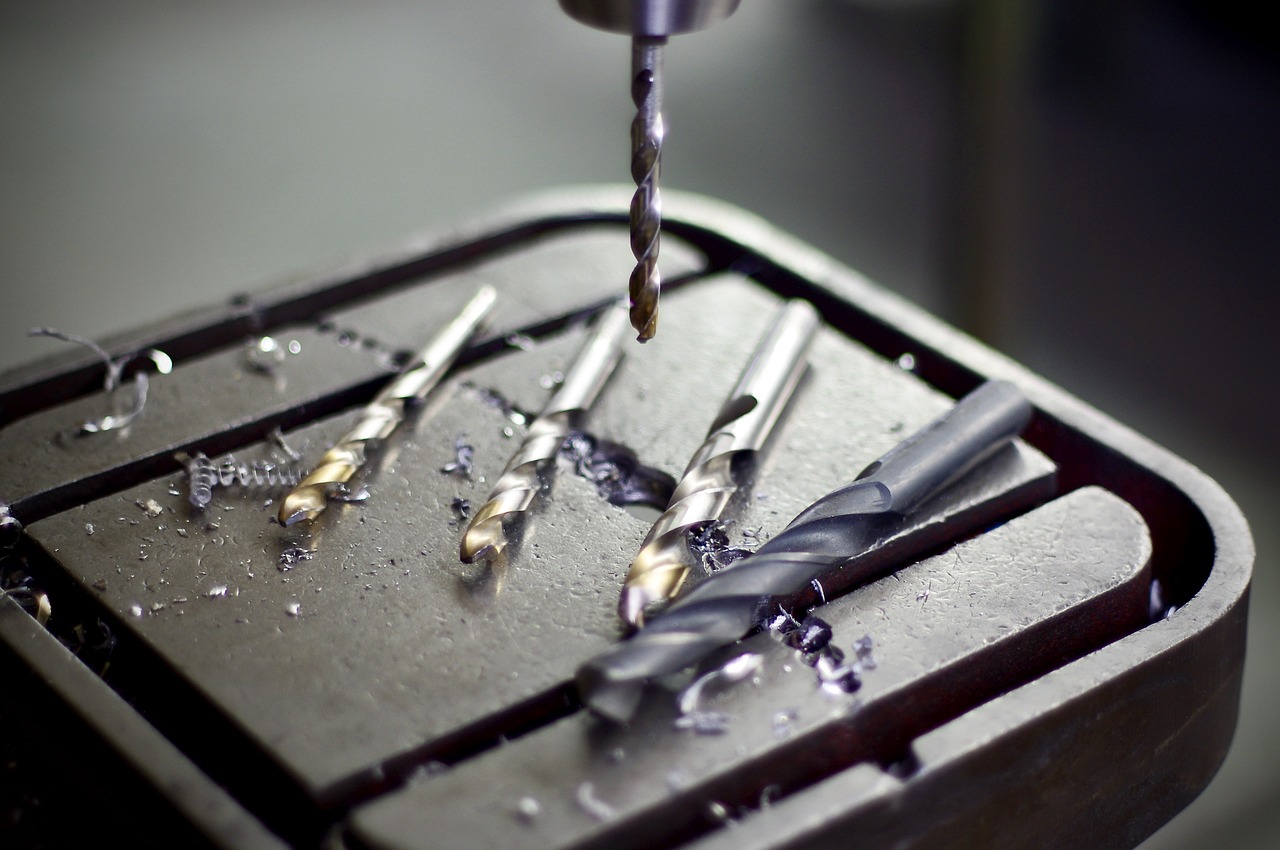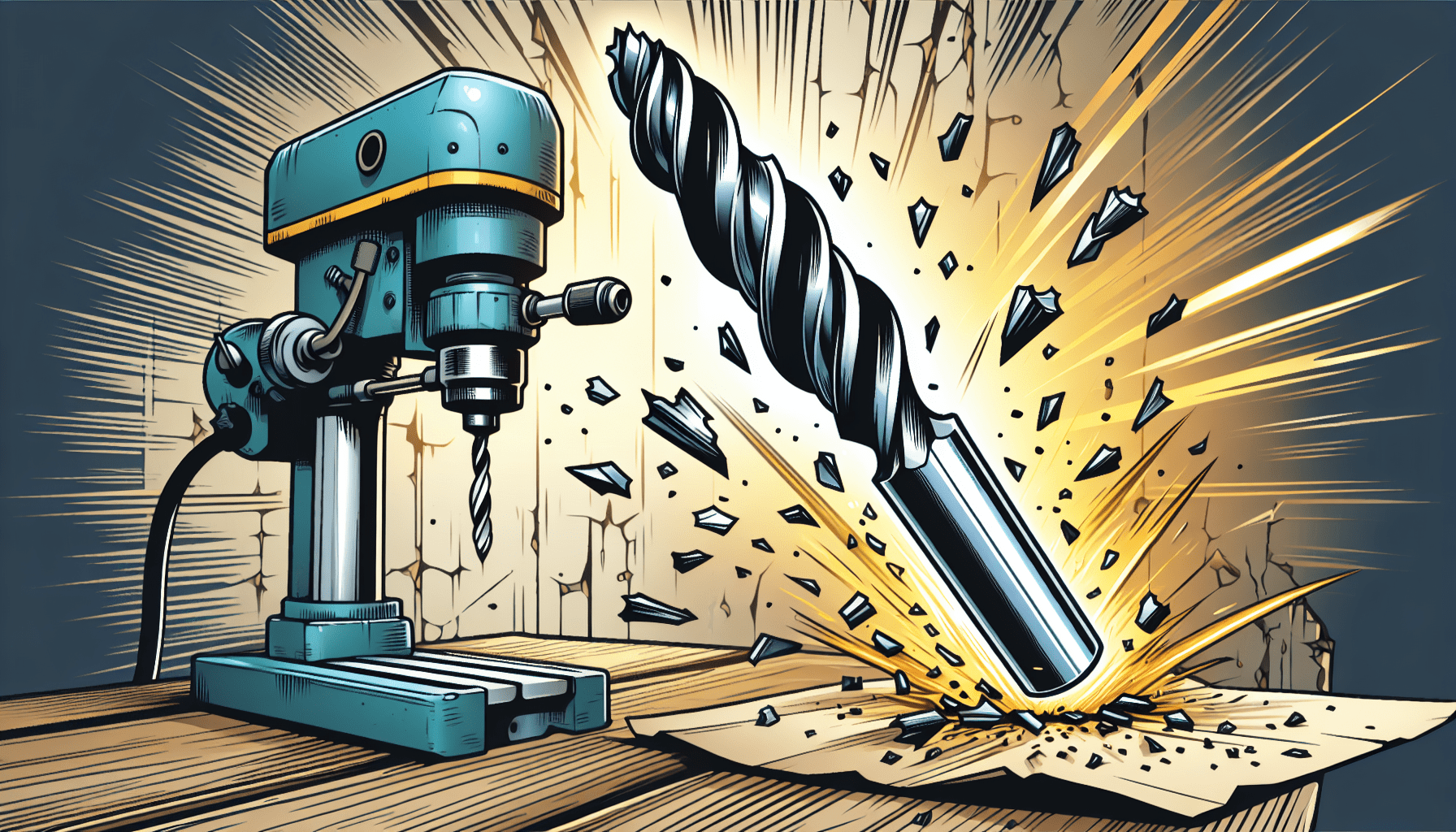
Have you ever experienced the frustrating situation of a drill bit breaking while using a drill press? In this article, we will explore the common causes behind drill bit breakage with a drill press. Whether you are a seasoned DIY enthusiast or just starting out, understanding these causes can help prevent future mishaps and ensure successful drilling projects. So, let’s dive in and discover the factors that can lead to drill bit breakage when using a drill press.
Causes of Drill Bit Breakage With a Drill Press
Improper Drill Bit Selection
Using the Wrong Type of Drill Bit
Using the wrong type of drill bit is a common mistake that can lead to drill bit breakage. Each type of drill bit is designed for specific materials and applications. If you use the wrong type of drill bit for a particular job, you may not be able to achieve the desired results and can put excessive stress on the bit, causing it to break. It is important to select the appropriate drill bit for the material you are working with and the specific drilling task at hand.
Using Worn-out or Damaged Drill Bits
Another cause of drill bit breakage is the use of worn-out or damaged drill bits. Over time, drill bits can become dull, lose their cutting edges, and develop cracks or wear. Using such bits can lead to poor drilling performance and increase the risk of breakage. It is crucial to regularly inspect your drill bits for signs of wear and damage and replace them when necessary to ensure safe and efficient drilling.
Excessive Speed and Feed Rate
Using a High Speed Setting
Using a high speed setting on your drill press can cause drill bit breakage, especially when drilling into hard materials. High speeds generate excess heat and put undue stress on the drill bit, leading to premature failure. It is important to match the speed of your drill press to the material you are drilling and adjust it accordingly to avoid overheating and breakage.
Applying Excessive Pressure
Applying excessive pressure while drilling is another common mistake that can result in drill bit breakage. Pushing too hard can cause the drill bit to deflect or bind, leading to increased stress and potential breakage. It is essential to apply consistent and moderate pressure while drilling, allowing the drill bit to do the work and prevent unnecessary stress on the bit.
Using Inappropriate Feed Rate
Using an inappropriate feed rate can also contribute to drill bit breakage. The feed rate refers to the rate at which the drill bit moves through the material being drilled. Using a feed rate that is too fast or too slow can put excessive strain on the bit, causing it to break. It is crucial to adjust the feed rate according to the material being drilled to ensure optimal performance and minimize the risk of breakage.
Inadequate Lubrication
Insufficient or Improper Lubrication
Inadequate lubrication can lead to increased friction and heat generation, which can cause drill bit breakage. Lubrication helps to reduce the friction between the drill bit and the workpiece, preventing excessive heat buildup and improving drilling performance. Using insufficient or improper lubrication can result in increased wear on the drill bit and potential breakage. It is important to use the appropriate lubricant for the material being drilled and regularly apply it to ensure smooth and efficient drilling.
Using an Improper Coolant
Using an improper coolant can also contribute to drill bit breakage. Coolants help to dissipate heat and reduce the temperature during the drilling process, preventing overheating and potential breakage. Using a coolant that is not suitable for the material being drilled or failing to use any coolant at all can increase the risk of breakage. It is essential to use the correct coolant for the specific material and follow the manufacturer’s guidelines for proper coolant application.
Improper Drill Press Setup
Misalignment of the Drill Bit and Workpiece
Misalignment of the drill bit and the workpiece can result in drill bit breakage. When the drill bit is not properly aligned with the target drilling spot on the workpiece, it can cause the bit to bind, leading to increased stress and potential breakage. It is crucial to ensure proper alignment before drilling and double-check that the drill bit is positioned correctly to prevent unnecessary strain on the bit.
Inadequate Clamping or Holding of the Workpiece
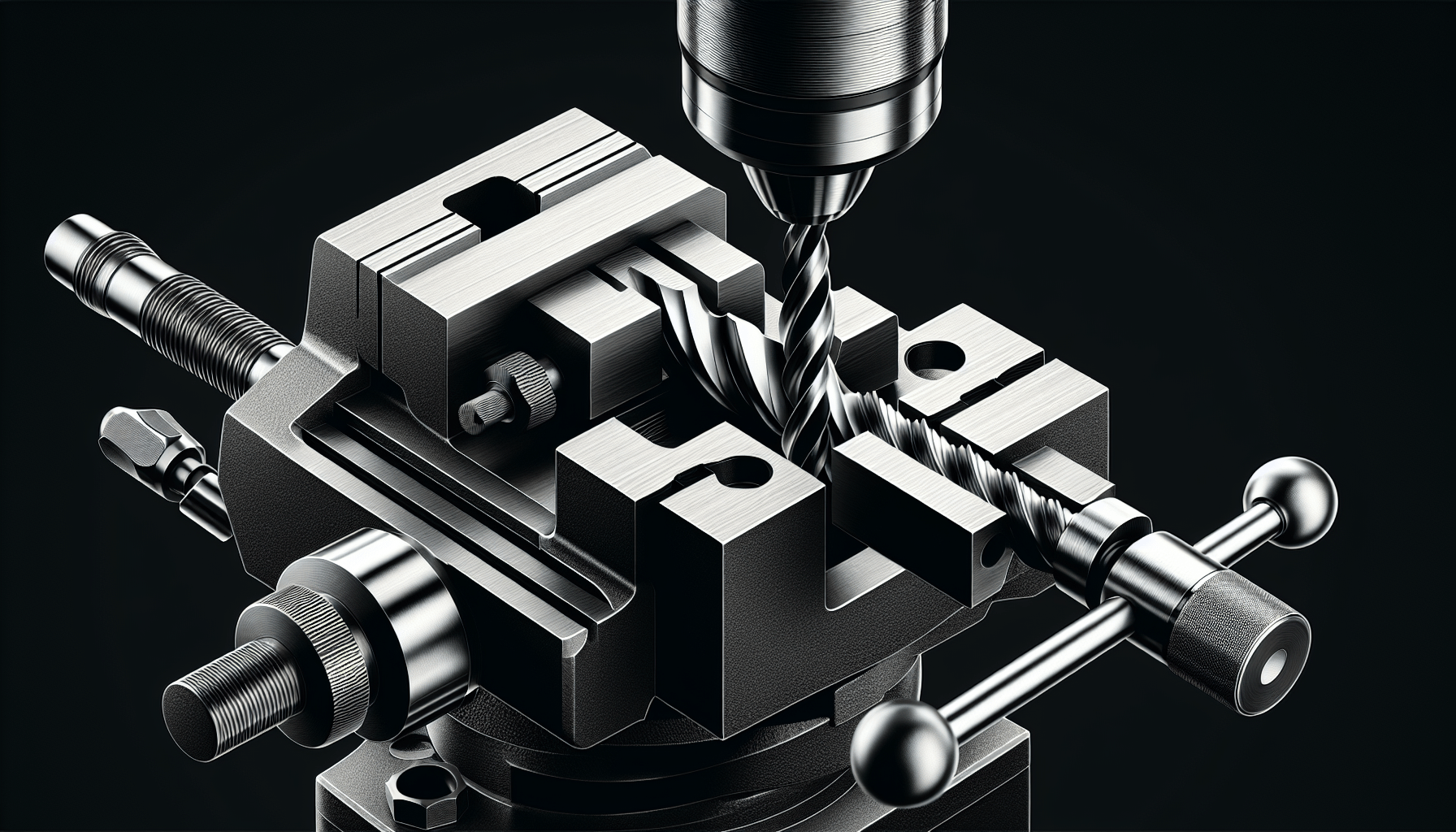
Inadequate clamping or holding of the workpiece can also contribute to drill bit breakage. If the workpiece is not securely clamped or held in place, it can move or vibrate during drilling, causing the drill bit to wander and potentially break. It is essential to use appropriate clamps or fixtures to firmly secure the workpiece and minimize movement during the drilling process, ensuring the stability and safety of the operation.
Incorrect Drill Press Speed or Tension
Using an incorrect drill press speed or tension can lead to drill bit breakage. If the speed setting is too high or the tension is not properly adjusted, it can cause excessive stress on the drill bit, leading to breakage and poor drilling performance. It is crucial to set the drill press to the appropriate speed and tension for the material being drilled and the specific drilling operation to avoid overloading the bit and risking breakage.
Inadequate Workpiece Support
Insufficient Support or Stability of the Workpiece
Insufficient support or stability of the workpiece can contribute to drill bit breakage. If the workpiece is not properly supported or secured during drilling, it can move or shift, causing the drill bit to bind or break. It is important to provide adequate support and stability for the workpiece, ensuring it is securely held in place and cannot move or vibrate during drilling.
Inappropriate Workpiece Material
Using an inappropriate workpiece material can also result in drill bit breakage. Some materials are more challenging to drill than others and require specific drill bits and techniques. If the workpiece material is too hard, brittle, or abrasive, it can quickly wear out the drill bit and increase the risk of breakage. It is crucial to select the appropriate workpiece material for the desired application and use compatible drill bits designed for the specific material.
Mispositioning of the Workpiece
Mispositioning of the workpiece can also contribute to drill bit breakage. If the workpiece is not correctly positioned relative to the drill bit, it can cause the bit to bind, deflect, or break. It is important to accurately position the workpiece, ensuring it is aligned with the desired drilling spot and that the drill bit can enter the material smoothly without any obstacles or misalignment.
Excessive Heat Generation
Friction due to Insufficient or Inappropriate Lubrication
Insufficient or inappropriate lubrication can lead to increased friction during the drilling process, generating excessive heat. This heat can cause the drill bit to overheat, lose its temper, and eventually break. Proper lubrication is essential to reduce friction and heat generation, ensuring the longevity and performance of the drill bit. It is crucial to use the correct lubricant for the material being drilled and regularly apply it to reduce friction and prevent excessive heat buildup.
Overheating caused by High-Speed Rotation
Using a high-speed rotation setting on the drill press can result in excessive heat generation, leading to drill bit breakage. High speeds generate heat quickly, and if the drill bit is not adequately cooled or lubricated, it can overheat and fail. It is important to match the rotation speed of the drill press with the material being drilled and use appropriate cooling or lubricating methods to manage the heat generated during drilling.
Inadequate Maintenance and Sharpening
Neglecting Drill Bit Maintenance
Neglecting drill bit maintenance can significantly contribute to drill bit breakage. Regular maintenance, including cleaning, inspecting, and sharpening the drill bits, is crucial for their optimal performance and lifespan. Neglected or worn-out drill bits can quickly become dull, lose cutting edges, and develop cracks or wear, increasing the risk of breakage. It is important to establish a maintenance routine, inspect the condition of the drill bits regularly, and replace or sharpen them as needed to ensure safe and efficient drilling.
Failure to Properly Sharpen Drill Bits
Drill bits that are not properly sharpened can be prone to breakage. Dull or improperly sharpened bits can put excessive strain on the cutting edges, cause the bit to wander, and increase the risk of breakage. It is essential to follow the manufacturer’s guidelines or seek professional guidance to properly sharpen drill bits. Sharp drill bits not only enhance drilling performance but also reduce the likelihood of breakage and ensure clean and accurate holes.
Inappropriate Operating Techniques
Excessive Side Pressure on the Drill Bit
Applying excessive side pressure on the drill bit can lead to its breakage. If the drill bit is not correctly aligned and perpendicular to the workpiece during drilling, applying excessive side pressure can cause the bit to deflect or snap. It is important to maintain proper alignment and position while drilling, preventing the need for excessive side pressure and minimizing the risk of drill bit breakage.
Inadequate Use of Cutting Fluids
Using cutting fluids inadequately or failing to use them at all can contribute to drill bit breakage. Cutting fluids are essential for cooling, lubricating, and prolonging the life of drill bits. If cutting fluids are not applied properly or not used when necessary, it can result in increased heat, friction, and wear on the drill bit, leading to breakage. It is crucial to follow the manufacturer’s recommendations and apply cutting fluids appropriately to ensure optimal drilling conditions and prevent drill bit breakage.
Lack of Operator Experience or Training
Lack of operator experience or proper training can also contribute to drill bit breakage. Operating a drill press requires knowledge of proper techniques, safety precautions, and understanding the limitations of the equipment and materials being used. Inexperienced operators may unknowingly misuse the drill press, apply incorrect drilling techniques, or use improper settings, increasing the risk of breakage. It is important to receive adequate training or seek guidance from experienced individuals before operating a drill press to ensure safe and effective drilling practices.
Workpiece Defects or Irregularities
Hard Spots or Brittle Materials
Some workpiece materials may contain hard spots or exhibit brittleness, which can lead to drill bit breakage. Hard spots can be significantly harder than the surrounding material, causing increased stress and potential breakage of the drill bit. Similarly, brittle materials can easily crack or fracture under pressure, putting the drill bit at risk. It is important to be aware of the characteristics of the workpiece material and adjust drilling techniques accordingly to avoid unexpected breakage.
Presence of Foreign Objects
The presence of foreign objects in the workpiece can also contribute to drill bit breakage. When drilling, encountering foreign objects such as nails, screws, or hard debris can cause the drill bit to deflect, chip, or break. It is essential to inspect the workpiece before drilling and remove any foreign objects that may pose a risk to the drill bit. Ensuring a clean and clear workpiece will help prevent breakage and maintain the integrity of the drill bit.
Mechanical Issues with the Drill Press
Worn-out or Damaged Drill Press Components
Mechanical issues with the drill press, such as worn-out or damaged components, can result in drill bit breakage. If the drill press components, such as the chuck, spindle, or motor, are not functioning properly or have excessive wear, it can affect the performance and stability of the drill bit, increasing the risk of breakage. Regular maintenance and inspection of the drill press are vital to identify and address any mechanical issues promptly, ensuring safe and efficient drilling operations.
Incorrect Drill Press Setup
Incorrect drill press setup can also contribute to drill bit breakage. Setting up the drill press incorrectly, such as using the wrong speed or tension or misaligning the drill bit and workpiece, can put unnecessary strain on the bit, leading to breakage. It is crucial to carefully follow the instructions provided by the manufacturer for proper drill press setup, including selecting the appropriate settings, aligning the drill bit and workpiece, and ensuring the stability and safety of the setup.
Vibration or Misalignment of the Drill Press
Excessive vibration or misalignment of the drill press can significantly increase the risk of drill bit breakage. Vibrations can cause the drill bit to wander or deflect, increasing the stress on the bit and potentially leading to breakage. Misalignment of the drill press can also affect the drilling performance and integrity of the drill bit. It is important to ensure the drill press is properly aligned, securely mounted, and well-maintained to minimize vibration and misalignment, reducing the risk of drill bit breakage.
In conclusion, drill bit breakage with a drill press can occur due to various factors. Improper drill bit selection, excessive speed and feed rate, inadequate lubrication, improper drill press setup, inadequate workpiece support, excessive heat generation, inadequate maintenance and sharpening, inappropriate operating techniques, workpiece defects or irregularities, and mechanical issues with the drill press are all potential causes of drill bit breakage. By understanding and addressing these factors, you can enhance drilling performance, ensure safety, and minimize the risk of drill bit breakage, improving your overall drilling experience. Remember to always prioritize safety, follow manufacturer guidelines, and seek professional advice when necessary to achieve optimal results with your drill press. Happy drilling!