Have you ever experienced excessive vibration while using a drill press? If so, you’re not alone. In this blog post, we will explore the common causes of drill press excessive vibration and provide practical tips to help you minimize it. Whether you’re a seasoned DIY enthusiast or just starting out, this article is packed with useful information to improve your drilling experience. So, let’s get started and say goodbye to those frustrating vibrations!
Causes of Drill Press Excessive Vibration
This image is property of www.woodmagazine.com.
Misalignment of Drill Press Components
One of the main causes of excessive vibration in a drill press is the misalignment of its components. Over time, the various parts of the drill press may become misaligned due to regular wear and tear or improper usage. For example, if the spindle is not aligned with the drill bit or if the motor is not properly connected to the base, it can lead to excessive vibration during operation.
Inadequate Base Stability
Another common cause of drill press vibration is inadequate base stability. The base of the drill press should be sturdy and well-built to provide a solid foundation for the entire machine. If the base is not stable or if it is not properly secured to the work surface, it can result in unwanted vibrations. This can be especially problematic when drilling through tougher materials or when using larger drill bits.
Worn or Damaged Bearings
The bearings in a drill press are crucial for smooth and precise operation. However, over time, these bearings can become worn or damaged, leading to increased vibration. If the bearings are not properly lubricated or if they are contaminated with dust and debris, they may start to produce excessive noise and vibration during drilling. Regular maintenance and inspection of the bearings is essential to prevent these issues.
Imbalanced Drill Bits
Drill bits that are not properly balanced can cause significant vibration in a drill press. Imbalances can occur due to manufacturing defects or even simple wear and tear. When a drill bit is unbalanced, it can create an uneven distribution of weight during rotation, leading to vibrations. Additionally, using worn or dull drill bits can also result in increased vibrations and decreased drilling accuracy.
Inappropriate Drill Speed
Using the incorrect drill speed for a particular task can also lead to excessive vibration. Different materials and drill bit sizes require different speeds to ensure efficient and accurate drilling. If the drill speed is too high or too low for the specific application, it can cause the drill press to vibrate excessively. It is important to refer to the manufacturer’s recommendations or consult a drilling guide to determine the appropriate speed for each drilling task.
Loose Components or Fasteners
Loose components or fasteners within the drill press can contribute to excessive vibration. Regular usage of the machine can cause screws, bolts, or other fasteners to become loose over time. Additionally, if any of the internal components, such as the motor mount or pulleys, are not securely tightened, it can result in unwanted movement and vibrations. Regularly checking and tightening all components and fasteners can help prevent this issue.
Effects of Excessive Vibration

This image is property of www.woodworkersjournal.com.
Decreased Drilling Accuracy
One of the primary effects of excessive vibration in a drill press is decreased drilling accuracy. When the drill press vibrates excessively, it becomes challenging to maintain a steady hand and keep the drill bit on the desired drilling path. This can result in holes that are misaligned or not drilled to the desired depth, compromising the precision and accuracy of the drilling operation.
Reduced Workpiece Quality
Excessive vibration can also have a negative impact on the quality of the workpiece. Vibrations during drilling can cause the drill bit to wander or chatter, resulting in rough or uneven holes. This can be particularly problematic when working with delicate or expensive materials, as it can mar the surface or create imperfections that are difficult to fix. Smooth and precise drilling is essential for achieving high-quality results.
Increased Wear and Tear on Drill Press
When a drill press experiences excessive vibrations, it puts additional strain on its components. The constant shaking and movement can cause accelerated wear and tear on various parts, such as bearings, belts, and motors. Over time, this can lead to premature failure of these components and may require costly repairs or replacements. Regular maintenance and addressing excessive vibrations promptly can help prolong the lifespan of the drill press.
Potential Risk of Injury
Excessive vibration in a drill press can also pose a safety risk to the operator. The vibrations can make it challenging to maintain control of the drill, increasing the chances of accidental slips or injuries. Vibrations can also cause parts or accessories to become loose or dislodged, potentially resulting in flying debris or other hazardous situations. It is crucial to address excessive vibration to ensure a safe working environment.
Diagnosing Excessive Vibration
Visual Inspection
The first step in diagnosing excessive vibration in a drill press is a visual inspection. Carefully examine all the components, including the base, motor, belt, spindle, and drill chuck. Look for any signs of misalignment, wear, or damage. Check for loose parts or fasteners and ensure that everything is securely tightened. Additionally, inspect the drill bits for any visible signs of wear, such as dull edges or bent shanks.
Checking for Loose Components and Fasteners
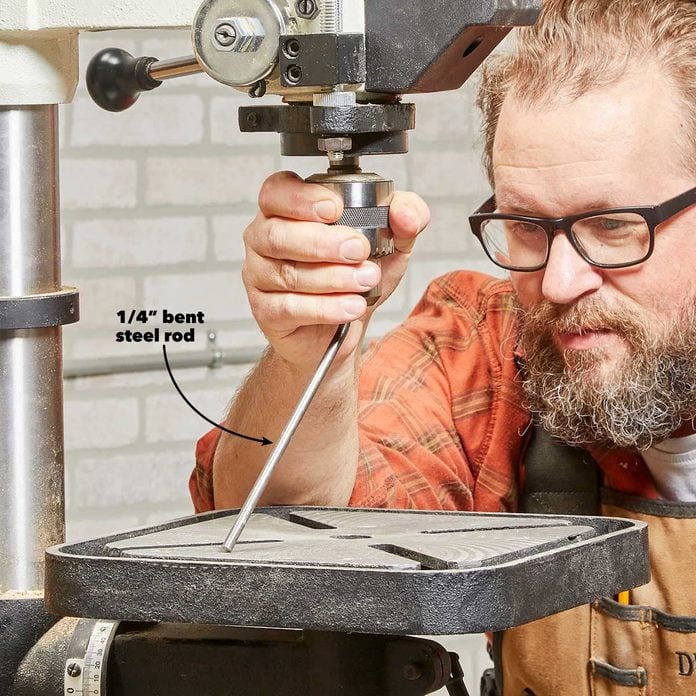
After the visual inspection, it is important to check for loose components and fasteners. Use a screwdriver or wrench to tighten any loose screws, bolts, or nuts. Pay close attention to the motor mount, pulleys, and other internal components. Check the clamping mechanisms and make sure they are properly secured. Tightening loose components can often resolve minor vibration issues.
This image is property of www.familyhandyman.com.
Measuring Vibration Levels
To accurately measure the vibration levels of a drill press, a vibration meter or accelerometer can be used. These devices provide numerical values and frequency ranges to quantify the amount of vibration present. By placing the sensor at various points on the drill press, such as the base, spindle, or motor housing, it is possible to determine the areas experiencing the most vibration. This information can help identify the source of the problem.
Testing Drill Press Alignment
If the previous steps do not pinpoint the cause of excessive vibration, it may be necessary to test the alignment of the drill press. Aligning the various components, such as the spindle and drill bit, is crucial for smooth operation. Use alignment tools, such as dial indicators or laser alignment systems, to check for any misalignment. Adjust and realign the components as needed to minimize vibrations during drilling.
Preventive Measures
Regular Maintenance and Inspection
One of the most effective ways to prevent excessive vibration in a drill press is through regular maintenance and inspection. Regularly clean the drill press and remove any dust or debris that may be causing friction or affecting the performance of the machine. Lubricate the bearings and other moving parts as recommended by the manufacturer. Inspect all components, fasteners, and accessories for signs of wear or damage and address any issues promptly.
Proper Drill Press Set Up
Proper set up of the drill press is crucial for minimizing vibration. Ensure that the drill press is placed on a stable and level work surface. Make sure that the base is securely tightened or bolted down if necessary. Adjust the height of the table or work surface to the appropriate level for the drilling task. Proper setup creates a solid foundation and reduces the chances of excessive vibration during operation.
Correctly Mounted Workpiece
When using a drill press, it is important to securely mount the workpiece to prevent slippage or movement during drilling. Use clamps or vises to firmly hold the material in place. This not only enhances safety but also helps reduce vibrations caused by workpiece movement. Ensure that the workpiece is properly aligned with the drill bit to avoid unnecessary strain on the machine and potential vibration.
Choosing Stable and High-Quality Drill Bits
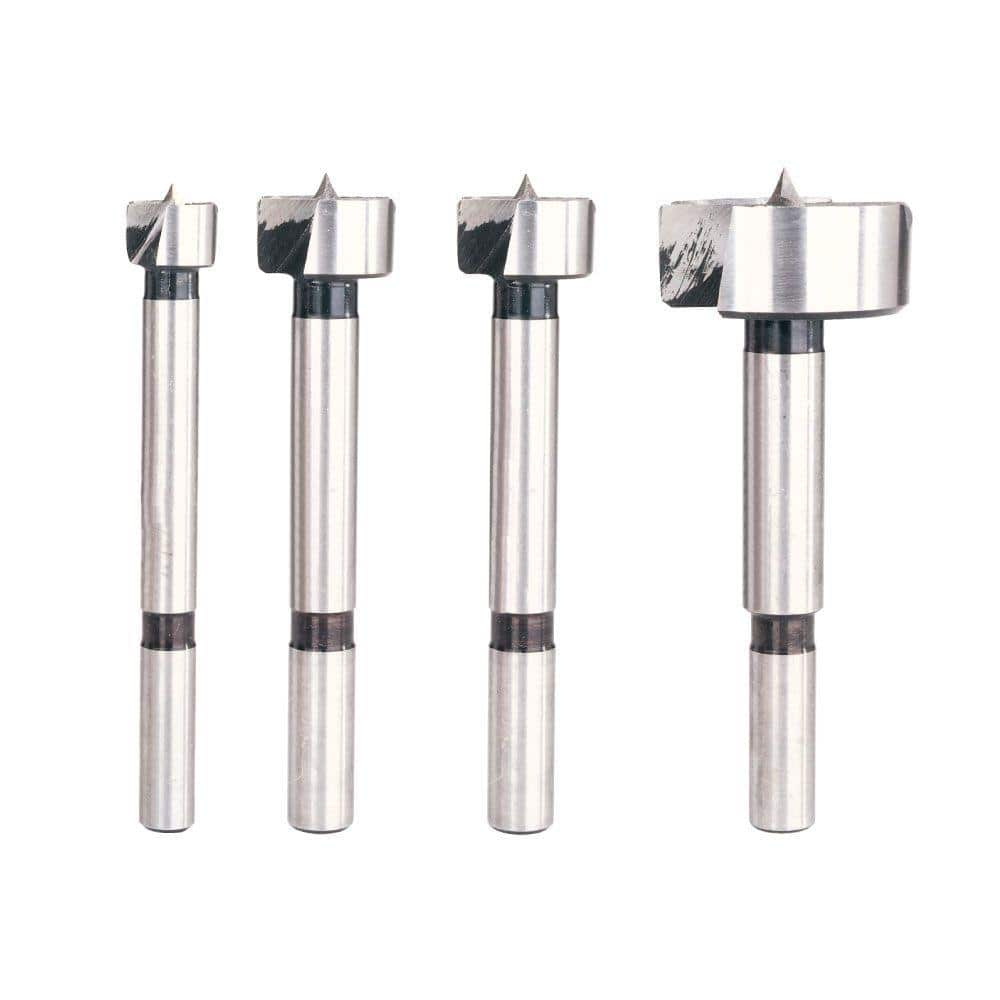
Selecting stable and high-quality drill bits is essential for minimizing vibration during drilling. Look for drill bits that are specifically designed for the material you will be working with. High-quality drill bits are usually made from durable materials and are less prone to imbalances. Invest in a range of drill bits to ensure that you have the right type and size for different drilling tasks. Replace worn or damaged drill bits promptly to maintain optimal performance.
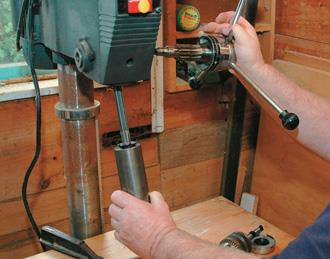
This image is property of the-shed.nz.
Using the Correct Drill Speed
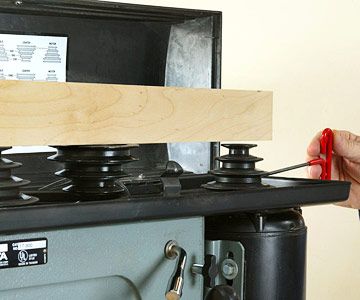
Using the correct drill speed for a specific drilling task is vital in reducing vibration. Different materials and drill bit sizes require different speeds for smooth and efficient drilling. Consult the manufacturer’s recommendations or refer to a drilling guide to determine the appropriate speed settings. Using the incorrect speed can cause excessive vibration and lead to poor drilling results. Adjust the speed accordingly to achieve optimal performance.
Fixing Drill Press Excessive Vibration
Adjusting Drill Press Alignment
If misalignment is determined to be the cause of excessive vibration, it is essential to adjust the drill press alignment. Follow the manufacturer’s instructions or consult an expert to correctly realign the components. This may involve adjusting the position of the spindle, motor, or other relevant parts. Taking the time to properly align the drill press can significantly reduce vibrations and improve drilling performance.
Replacing Worn or Damaged Bearings
If worn or damaged bearings are causing excessive vibration, they should be promptly replaced. Bearings that are past their recommended lifespan or show visible signs of wear, such as noise or looseness, need to be replaced. Refer to the drill press manual or contact the manufacturer for the appropriate replacement bearings. Ensure that the new bearings are properly installed and lubricated.
Balancing Drill Bits
Imbalanced drill bits can be balanced using a specialized balancing tool or system. These tools help identify the heavy spots and provide instructions on how to remove or redistribute the weight to achieve balance. Balancing drill bits can significantly reduce vibrations and improve drilling accuracy. Properly balanced and maintained drill bits also tend to have a longer lifespan.
Securing Loose Components or Fasteners
If loose components or fasteners are causing excessive vibration, tightening or securing them properly can resolve the issue. Use the appropriate tools to tighten any loose screws, bolts, or nuts within the drill press. Check the motor mount, pulleys, and other internal components for any signs of looseness and address them accordingly. Regularly inspect and tighten all components to prevent vibrations caused by loose parts.
Enhancing Base Stability
To enhance the stability of the base, consider adding additional weight or support. This can be achieved by using a weighted drill press stand or adding a vibration-dampening pad beneath the base. These accessories help absorb vibrations and provide a more stable foundation for the drill press. Consult the manufacturer or a drilling expert for recommendations on the most suitable accessories for your specific drill press model.
Importance of Safety Precautions
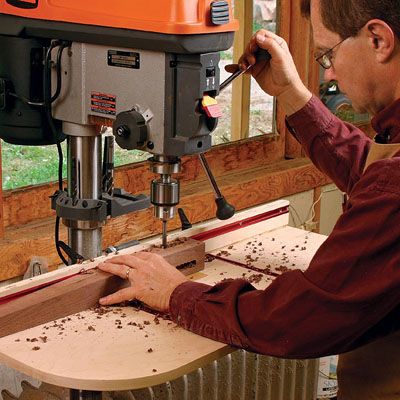
This image is property of d4c5gb8slvq7w.cloudfront.net.
Wearing Personal Protective Equipment (PPE)
When operating a drill press, it is crucial to prioritize safety by wearing appropriate personal protective equipment (PPE). This includes safety glasses or goggles to protect the eyes from flying debris, gloves to safeguard the hands, and ear protection to minimize the impact of loud noises. PPE helps reduce the risk of injuries that may result from excessive vibration or accidents during drilling.
Keeping Work Area Clean and Organized
Maintaining a clean and organized work area is essential for a safe and efficient drilling environment. Remove any unnecessary clutter or obstacles that can impede movement or cause accidents. Properly store drill bits, accessories, and tools to avoid tripping hazards. Regularly clean the work area to eliminate dust or debris that can affect the performance of the drill press or cause unnecessary vibrations.
Using Clamps or Vises to Secure Workpieces
To minimize the risk of workpiece movement and associated vibrations, always secure the workpiece using clamps or vises. Avoid placing excessive force on the workpiece or using unstable methods of holding it in place, as these can lead to undesirable vibrations. Ensure that the workpiece is securely held in position before initiating the drilling operation.
Applying Appropriate Cutting Fluids or Lubricants
Using cutting fluids or lubricants during drilling can help reduce heat, friction, and vibrations. Certain materials, such as metals, may require the use of cutting fluids to improve drilling performance and minimize vibrations. Apply the appropriate cutting fluid or lubricant to the drill bit and workpiece as recommended by the manufacturer. This can enhance the drilling process and extend the lifespan of the drill bits.
Drill Press Accessories to Reduce Vibration
Drill Press Vibration Dampening Pads
Drill press vibration dampening pads are accessories specifically designed to reduce vibrations during drilling operations. These pads are made from materials such as rubber or neoprene and are placed beneath the drill press base. They absorb and dissipate vibrations, providing a more stable work surface. Vibration dampening pads are available in various sizes and thicknesses, and choosing the appropriate pad for your drill press can significantly reduce excessive vibrations.
Anti-Vibration Mounts
Anti-vibration mounts, also known as isolators, are another effective accessory for reducing drill press vibrations. These mounts are typically made from materials like rubber or elastomers and are installed between the drill press and its base or work surface. They absorb and isolate vibrations, preventing them from transferring to the surrounding environment. Anti-vibration mounts come in different sizes and configurations to accommodate various drill press models.
Stabilizing Weighted Drill Press Stand
A stabilizing weighted drill press stand is a stand specifically designed to enhance the stability of a drill press. These stands feature a heavy base or weighted bottom that helps reduce vibrations and improve balance during drilling. The extra weight provides a more solid foundation and minimizes movement or shaking. Stabilizing weighted drill press stands are available in different sizes and styles, and they can be used with various drill press models.
When to Seek Professional Help
Persistent or Severe Vibration
If excessive vibration in a drill press persists or becomes severe despite attempts to address the issue, it may be necessary to seek professional help. Professional technicians or drill press experts can utilize specialized tools and knowledge to diagnose and resolve more complex vibration problems. They can identify underlying issues that may not be visible or easily addressed by the operator.
Inability to Diagnose the Issue
If you are unable to pinpoint the cause of excessive vibration or have difficulty diagnosing the issue, it is advisable to seek professional assistance. Sometimes, vibration problems can be caused by multiple factors or more complex mechanical issues. By consulting an expert, you can ensure a thorough diagnosis and appropriate resolution to the problem.
Unsuccessful Attempts to Fix the Problem
If your attempts to fix excessive vibration in a drill press have been unsuccessful, it may be time to involve a professional. Continuing to operate the drill press with unresolved vibration issues can lead to further damage and potential safety hazards. By seeking professional help, you can avoid exacerbating the problem and ensure that your drill press is functioning optimally.
Important Tips for Drill Press Users
Read and Follow Drill Press Manual
Always read and familiarize yourself with the drill press manual before operating the machine. The manual provides essential information regarding setup, maintenance, and safety guidelines specific to your model. Following the manufacturer’s instructions ensures proper usage and helps prevent unnecessary vibration or damage to the drill press.
Use Sharp Drill Bits
Using sharp drill bits is crucial for reducing vibration and achieving cleaner, more precise drilling results. Dull or worn drill bits can cause excessive heat and friction, leading to increased vibrations and poor drilling performance. Regularly inspect your drill bits and sharpen or replace them as necessary.
Avoid Excessive Force
When using a drill press, it is important to apply the appropriate amount of force. Avoid forcing the drill bit into the material or exerting excessive pressure during drilling. Let the drill press and drill bit do the work. Excessive force can cause vibrations, increase the risk of workpiece damage, and put unnecessary strain on the drill press.
Keep Drill Press Clean and Lubricated
Regularly clean and lubricate the drill press to maintain optimal performance and minimize vibrations. Remove any dust or debris that may accumulate in the internal components or moving parts. Lubricate the bearings, motor, and other relevant parts as recommended by the manufacturer. A clean and well-lubricated drill press operates more smoothly and produces less vibration.
Regularly Inspect and Maintain Drill Press
Perform regular inspections and maintenance on your drill press to ensure its proper functioning and reduce vibrations. Check for wear and tear, loose components, or signs of damage. Tighten any loose screws or bolts and address any issues promptly. By maintaining your drill press, you can prolong its lifespan and prevent potential vibration problems.