Choosing the right drill press can be a daunting task for DIY enthusiasts, but understanding the power and speed options available can make all the difference. In this blog post, we will explore the various power and speed options that you should consider when selecting a drill press. By the end, you’ll have a clearer understanding of what to look for and be equipped with the knowledge to make an informed decision that suits your specific needs. So, let’s dive right in and explore the world of drill presses!
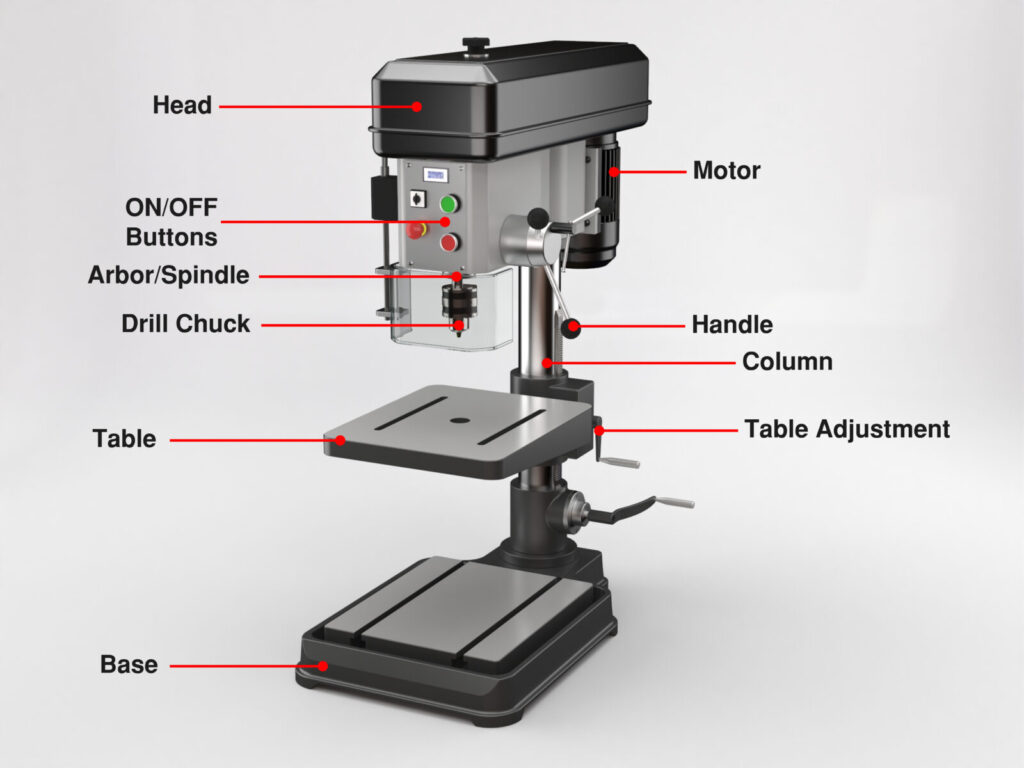
This image is property of www.cncmasters.com.
Motor Power
When it comes to drill presses, motor power is an important factor to consider. The motor is what drives the drill bit to spin and provides the power necessary for drilling into various materials. The two main aspects to look at when considering motor power are horsepower and amperage.
Horsepower
Horsepower (HP) is a measurement of the motor’s power output. It indicates how much work the motor can perform. Generally, the higher the horsepower, the more powerful the drill press will be. A higher horsepower allows for drilling into tougher materials and also reduces the chances of the motor straining or overheating during heavy use.
For most DIY enthusiasts and hobbyists, a drill press with a horsepower of around 1/2 to 3/4 HP is sufficient for their needs. However, for professional use or when dealing with more demanding applications, opting for a drill press with higher horsepower, such as 1 HP or more, is recommended.
Amperage
Amperage is another important consideration when it comes to motor power. It measures the amount of electrical current flowing through the motor. A higher amperage generally indicates a more powerful motor.
Drill presses with higher amperage can handle heavier workloads and are less likely to slow down or stall when drilling into tougher materials. For casual DIYers, a drill press with an amperage of around 5 to 7 amps is usually sufficient. However, for more heavy-duty tasks, opting for a drill press with higher amperage, such as 10 amps or more, is advisable.
Speed Settings
The speed settings of a drill press determine how fast the drill bit rotates. Having the ability to adjust the speed is crucial as different materials and drill bit sizes require different speeds for optimal drilling performance. There are generally two types of speed settings to choose from: variable speed and pulley system.
Variable Speed
Drill presses with variable speed settings allow you to easily adjust the speed according to your needs. This flexibility is particularly useful when dealing with a wide range of materials or when using different drill bit sizes. Variable speed drill presses usually have a speed control dial or knob that lets you select the desired speed within a given range.
This versatility allows for more precise drilling and reduces the risk of damaging the material or the drill bit. It is especially beneficial when working with softer materials that require slower speeds or when using larger diameter drill bits that require lower speeds for stable cutting.
Pulley System
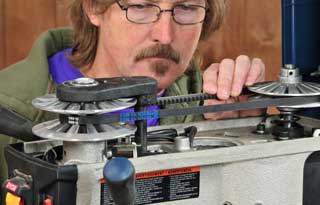
Some drill presses use a pulley system to adjust the speed. These systems consist of different pulley combinations that can be manually adjusted to change the speed. While not as convenient as variable speed settings, a pulley system can still provide a decent range of speed options.
Drill presses with pulley systems often have multiple belts and pulleys that need to be changed and adjusted to achieve the desired speed. This requires more time and effort compared to a drill press with variable speed settings. However, drill presses with pulley systems tend to be more durable and reliable as they have fewer moving parts that can wear out or malfunction.
This image is property of cdn.shopify.com.
Belt-Driven vs. Direct-Drive
Another important aspect to consider when choosing a drill press is whether it is belt-driven or direct-drive. This refers to how the motor’s power is transferred to the drill bit.
Belt-Driven Drill Press
In a belt-driven drill press, the motor’s power is transferred to the drill bit through a belt and pulley system. The motor is connected to the top of the drill press, and the belt and pulleys transmit the power down to the quill and the drill bit.
Belt-driven drill presses are known for their smooth and quiet operation. The belt and pulley system helps to reduce vibrations and noise, making them more comfortable to use, particularly for long periods of time. They also provide greater torque and are better suited for heavy-duty drilling tasks.
Direct-Drive Drill Press
Direct-drive drill presses, as the name suggests, allow the motor to directly drive the quill and the drill bit. There are no belts or pulleys involved in the power transmission process.
Direct-drive drill presses are popular for their simplicity and ease of use. They have fewer moving parts, which means less maintenance and fewer chances of parts wearing out. Additionally, direct-drive drill presses are generally more compact and lightweight compared to their belt-driven counterparts.
However, direct-drive drill presses may produce more vibrations and noise compared to belt-driven ones. They are also typically less powerful and may not be as suitable for heavy-duty applications. They are often preferred by DIY enthusiasts or those who require a compact and portable drill press for lighter tasks.
Power Source
The power source of a drill press determines how it is powered. The two main options to choose from are mains electricity and battery-powered drills.
Mains Electricity
Most drill presses available on the market are powered by mains electricity. They are designed to be connected to a power outlet, providing a consistent and reliable source of power.
Mains-powered drill presses are usually more powerful and can handle heavy-duty drilling tasks. They do not have limitations in terms of battery life, allowing for continuous drilling without the need for recharging or replacing batteries.
Battery-Powered
Battery-powered drill presses operate using rechargeable batteries instead of being connected directly to a power source. These cordless drill presses offer the convenience of portability and the ability to work in areas without access to electrical outlets.
Battery-powered drill presses are popular among those who prefer the freedom and versatility of cordless tools. They are well-suited for small-scale or occasional drilling tasks, especially when working in remote locations or when mobility is a priority.
However, it’s important to note that battery-powered drill presses may not provide the same level of power and endurance as their mains-powered counterparts. The battery life and performance can vary depending on the battery capacity and the intensity of the drilling tasks.
This image is property of woodandshop.com.
Variable Speed Control
The ability to control and adjust the speed of the drill press is essential for achieving precise drilling results. There are generally two types of variable speed controls available: digital control and mechanical control.
Digital Control
Drill presses with digital variable speed control feature an electronic control panel or display that allows for easy and precise speed adjustments. These controls often include a digital readout of the current speed, making it easier to set and maintain the desired speed.
Digital variable speed control offers convenience and accuracy. With the push of a button or a turn of a dial, you can quickly and precisely adjust the speed to match the requirements of your drilling task. This is particularly useful when working on projects that involve different materials or drill bit sizes.
Mechanical Control
Drill presses with mechanical variable speed control use a physical mechanism, such as a lever or a handwheel, to adjust the speed. These controls typically have preset speed settings, often indicated numerically or with specific drill bit sizes.
Mechanical variable speed control provides simplicity and reliability. They are often found on older or more traditional drill presses. While they may not offer the same level of precision as digital control, mechanical controls are still effective in providing a range of speed options for different drilling needs.
Size and Weight
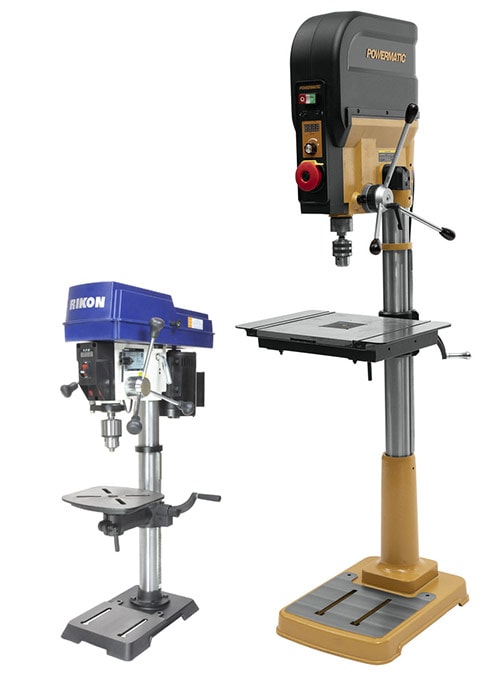
The size and weight of a drill press can significantly impact its functionality, portability, and suitability for different projects. There are generally two main categories to choose from: benchtop drill presses and floor-standing drill presses.
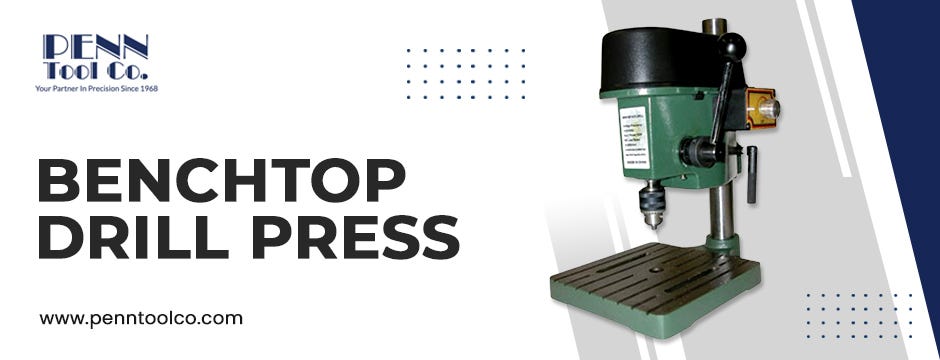
Benchtop Drill Press
Benchtop drill presses are designed to be mounted on a workbench or a sturdy surface. They are compact and lightweight, making them ideal for small workshops or areas with limited space.
Benchtop drill presses are typically more affordable and versatile. They can handle a variety of drilling tasks and are suitable for both hobbyists and professionals. However, their smaller size may limit the drilling capacity and power compared to larger floor-standing models.
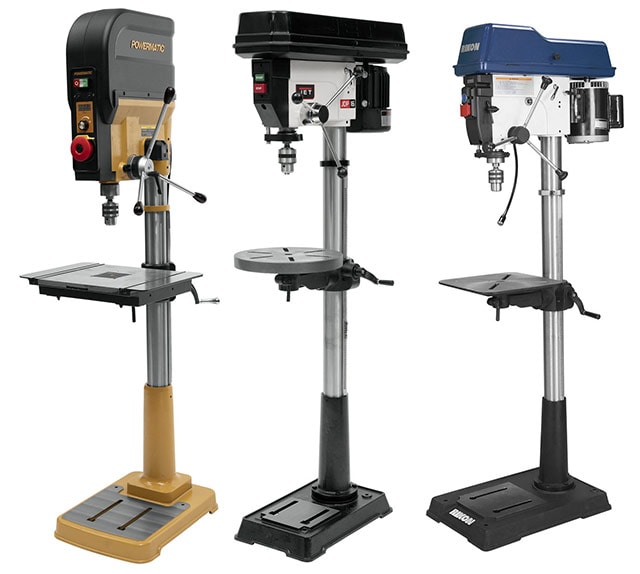
Floor Standing Drill Press
Floor-standing drill presses are larger, heavier, and more robust compared to benchtop models. They are designed to be freestanding and offer greater stability and drilling capacity.
Floor-standing drill presses are suitable for heavy-duty drilling tasks and are often favored by professional woodworkers or metalworkers. They provide the power and stability required for drilling into thick and hard materials.
However, floor-standing drill presses may take up more space and can be more expensive compared to benchtop models. They are also less portable and may require a dedicated workshop or workspace.
This image is property of miro.medium.com.
Chuck Size
The chuck size of a drill press refers to the diameter of the opening where the drill bit is inserted. Choosing the right chuck size is crucial as it determines the range of drill bit sizes that can be used.
Keyed Chuck
Keyed chuck is a traditional type of chuck that requires the use of a chuck key to tighten or loosen the jaws that hold the drill bit. Keyed chucks generally provide better grip and stability, ensuring that the drill bit remains securely in place during drilling.
Keyed chucks are suitable for heavy-duty drilling tasks or when using larger drill bits. They offer a wide range of drill bit sizes and typically have higher torque capabilities. However, they require the use of a chuck key for bit changes, which can be time-consuming.
Keyless Chuck
Keyless chuck, as the name suggests, does not require a chuck key for bit changes. It has a built-in mechanism that allows for quick and easy tightening or loosening of the drill bit.
Keyless chucks offer convenience and speed when it comes to changing drill bits. They are well-suited for projects that involve frequent bit changes or when using smaller drill bits. However, keyless chucks may not provide the same level of grip and stability as keyed chucks, especially when dealing with heavy-duty drilling tasks.
Drilling Capacity
The drilling capacity of a drill press refers to its ability to drill to specific depths and distances from the edge of the workpiece. There are two main aspects to consider: maximum depth and throat depth.
Maximum Depth
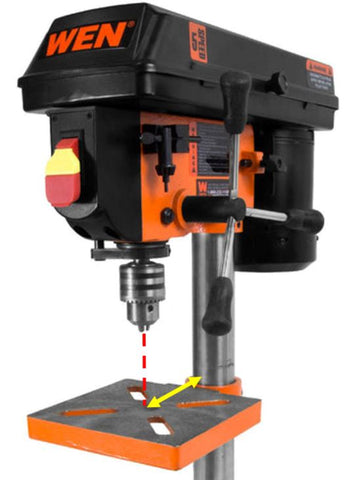
The maximum depth refers to the depth to which the drill press can drill into the workpiece. It is determined by the distance between the drill bit and the table or base of the drill press.
When choosing a drill press, consider the maximum depth required for your projects. If you frequently work with thick materials or need to drill deep holes, opt for a drill press with a larger maximum drilling depth. For lighter tasks, a drill press with a smaller maximum depth may suffice.
Throat Depth
Throat depth refers to the distance between the drill bit and the vertical column of the drill press. It determines the maximum distance from the edge of the workpiece to the center of the hole that can be drilled.
For projects that involve drilling holes near the edge of the workpiece, a large throat depth is desirable. It allows for more flexibility and maneuverability when positioning the workpiece and drilling accurately. Consider the size and nature of your projects to determine the throat depth required for your drill press.
This image is property of woodandshop.com.
Spindle Travel
The spindle travel of a drill press refers to the distance the spindle (quill) can travel up and down. It determines the maximum depth to which the drill bit can penetrate the workpiece.
Quill Travel
Quill travel is the vertical distance that the spindle can move. It is an important consideration when choosing a drill press as it determines the range of drilling depths you can achieve.
Drill presses with greater quill travel offer more versatility and flexibility. They allow for drilling deeper holes and are suitable for a wide range of projects. However, for most DIY enthusiasts and hobbyists, a quill travel of around 3 to 4 inches is typically sufficient for their drilling needs.
Depth Stop
Some drill presses come with a depth stop feature that allows you to set a specific drilling depth. This feature can be particularly useful when you need to repeat the same drilling depth multiple times or when working on projects that require precise drilling depths.
The depth stop can be adjusted to limit the downward travel of the spindle, ensuring consistent and accurate drilling depths. It adds an extra level of precision and control to your drilling tasks, especially when working on projects that require uniform hole depths.
Additional Features
There are several additional features that some drill presses offer to enhance usability and convenience. While not essential, these features can be helpful depending on your specific needs and preferences.
Work Light
A built-in work light provides illumination directly onto the workpiece, improving visibility and accuracy during drilling. It is particularly useful when working in poorly lit areas or when dealing with intricate drilling tasks that require precision.
A work light can help prevent mistakes and ensure that the drill bit is positioned correctly before drilling. It increases safety and reduces the chances of damaging the workpiece or causing accidents.
Built-in Laser Guide
Some drill presses come with a built-in laser guide that projects a laser beam onto the workpiece. The laser guide helps in aligning the drill bit precisely with the desired drilling point, improving accuracy and reducing the chances of errors.
The laser guide is especially useful when you need to drill multiple holes at the same position or create straight and parallel holes. It saves time and increases efficiency by eliminating the need for manual measurements and markings.
In conclusion, when choosing the right drill press, it is important to consider various factors related to power and speed options. The motor power, speed settings, belt-driven vs. direct-drive, power source, variable speed control, size and weight, chuck size, drilling capacity, spindle travel, and additional features all play a crucial role in determining the drill press that best suits your needs. By understanding these aspects and evaluating your specific requirements, you can make an informed decision and find the perfect drill press for your DIY projects.