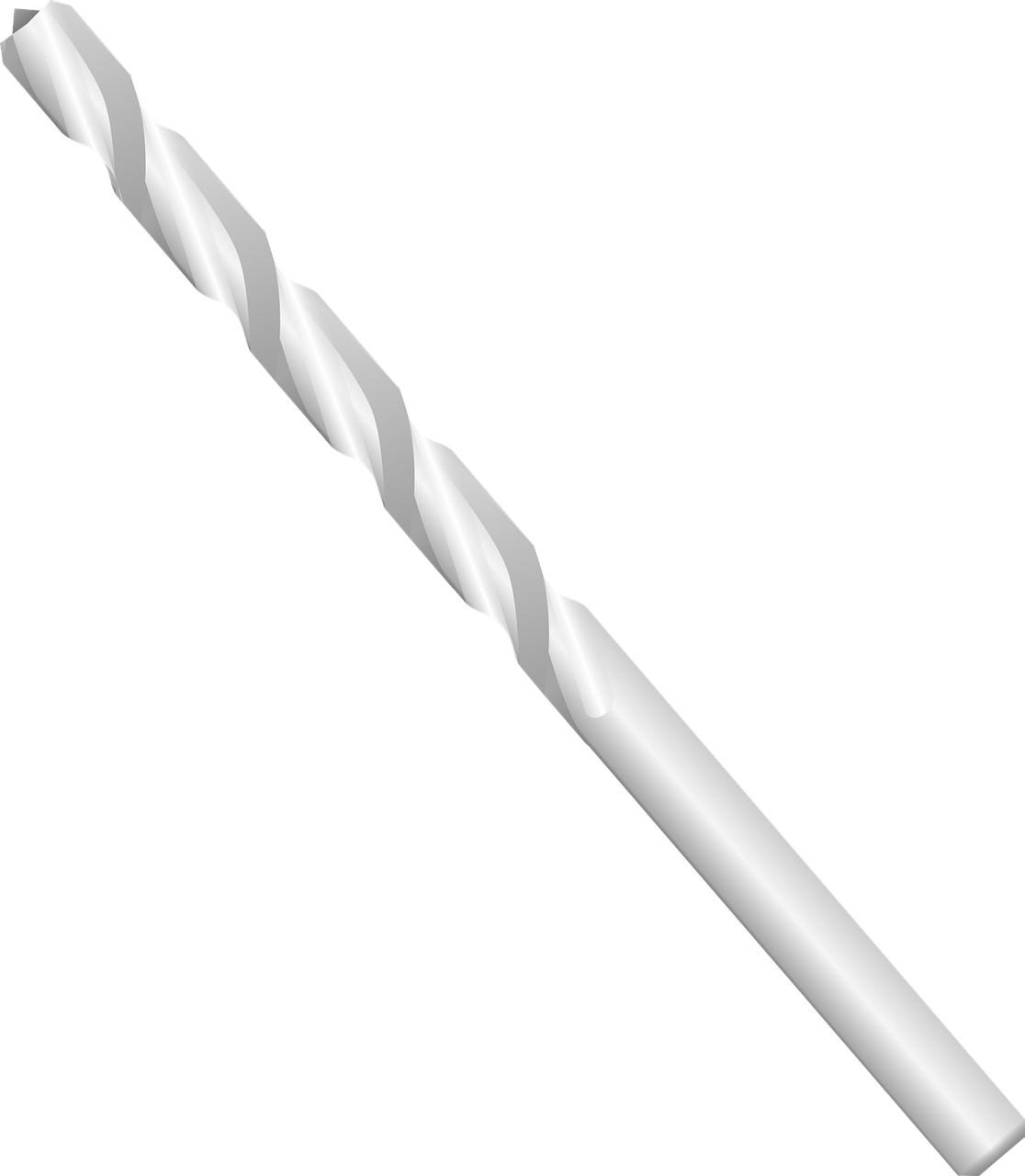
Are you tired of experiencing drill bit breakage while using your drill press? Look no further! In this article, we will discuss the common causes of drill bit breakage and provide you with practical tips and techniques to prevent it. Whether you are a DIY enthusiast or a professional woodworker, these insights will help ensure that every drilling project is a smooth and successful one. Say goodbye to frustration and wasted time, and let’s dive into the world of drill press mastery!
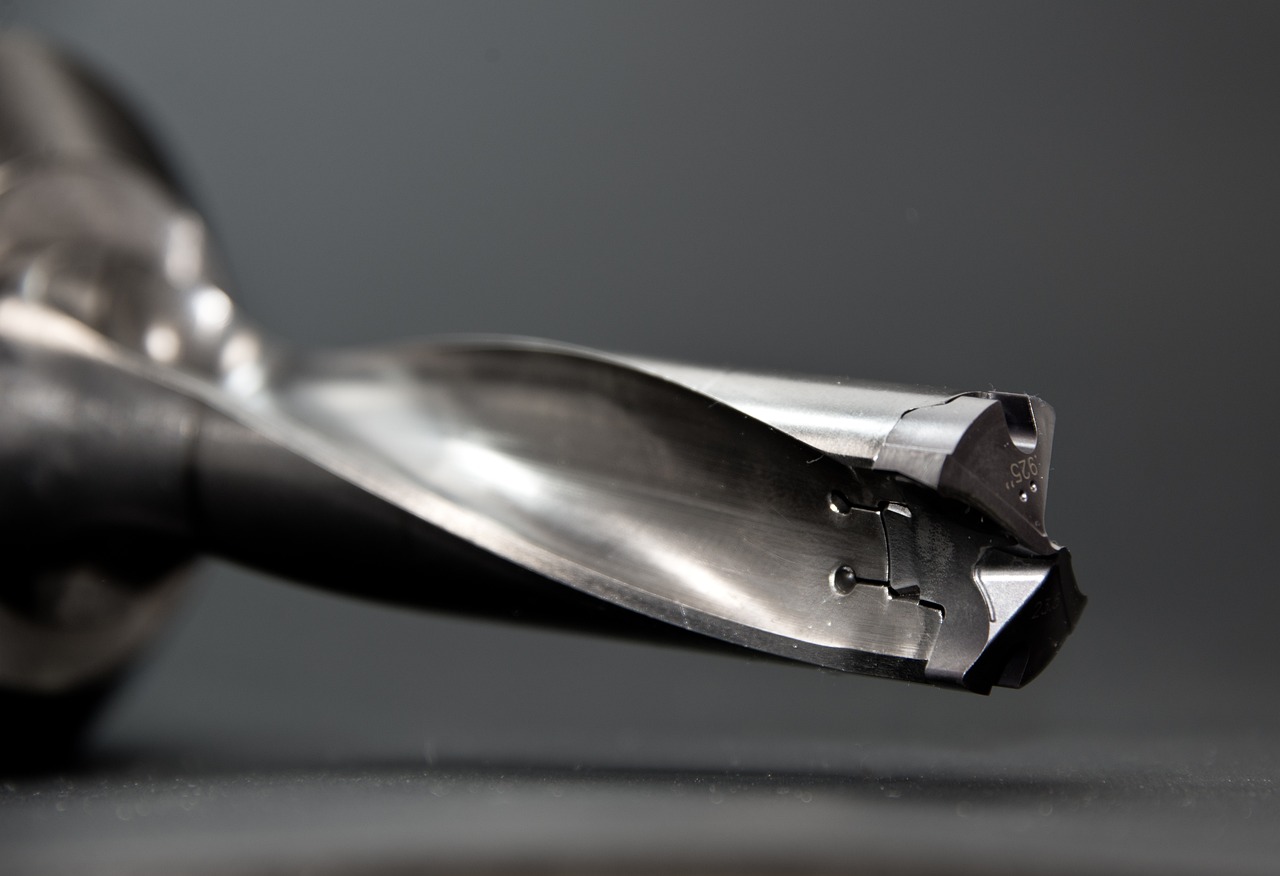
This image is property of pixabay.com.
Common Causes of Drill Bit Breakage
Excessive Speed
One common cause of drill bit breakage is using excessive speed. When you run your drill press at a speed that is too high for the material being drilled, it can put too much stress on the bit and cause it to break. To prevent this, always consult the drill press manual or refer to speed charts and guidelines that provide recommended speeds for different materials.
Improper Bit Selection
Another cause of drill bit breakage is using the wrong type of bit for the job. Not all drill bits are designed to handle every material, and using the wrong bit can lead to breakage. Make sure to choose a drill bit that is specifically designed for the material you are drilling. For example, use a masonry bit for drilling into concrete and a wood bit for drilling into wood.
Improper Feed Rate
Using an improper feed rate can also cause drill bit breakage. If you feed the bit too slowly, it can cause the bit to heat up and dull quickly. On the other hand, if you feed the bit too quickly, it can cause the bit to become overloaded and break. To prevent breakage, match the feed rate to the bit and the material being drilled.
Inadequate Lubrication
Lack of lubrication can also contribute to drill bit breakage. When drilling into materials such as metal or wood, using a lubricant can reduce friction and heat build-up, which can extend the life of the drill bit. Make sure to apply lubrication to the bit before starting the drilling process.
Excessive Pressure
Applying too much pressure while drilling can cause the drill bit to break. It’s important to let the bit do the work and apply steady and even pressure throughout the drilling process. Avoid excessive pressure, as it can put unnecessary stress on the bit and lead to breakage.
Drill Bit Wear
Over time, drill bits can become worn and dull, making them more prone to breakage. It’s important to regularly check your drill bits for signs of wear and tear, such as chipped edges or a dulled cutting surface. Replace or sharpen worn bits promptly to prevent breakage.
Tips for Preventing Drill Bit Breakage
Choose the Right Drill Bit
To prevent drill bit breakage, it’s crucial to choose the right drill bit for the job. Take into consideration the material you will be drilling and select a bit that is specifically designed for that material. Using the wrong bit can lead to breakage and poor drilling performance.
Use the Correct Speed
Using the correct speed for drilling is essential in preventing drill bit breakage. Consult your drill press manual or refer to speed charts and guidelines to determine the appropriate speed for the material you are drilling. Running the drill press at a speed that is too high can cause excessive stress on the bit, leading to breakage.
Apply Proper Pressure
Applying the right amount of pressure while drilling is important for preventing drill bit breakage. Avoid using excessive pressure, as it can cause the bit to break. Instead, apply steady and even pressure throughout the drilling process. Let the bit do the work and avoid forcing it.
Maintain the Drill Bit
Regular maintenance of the drill bit is crucial for preventing breakage. Check the bit for signs of wear and tear, such as chipped edges or a dull cutting surface. Replace or sharpen worn bits promptly to ensure optimal performance and prevent breakage.
Use Lubrication
Using lubrication is another important tip for preventing drill bit breakage. Apply a lubricant to the bit before drilling into materials like metal or wood. Lubrication reduces friction and heat build-up, extending the life of the bit and preventing breakage.
Use a Center Punch
Using a center punch can help prevent drill bit breakage, especially when drilling into hard materials. A center punch creates a small indentation in the surface, providing a starting point for the drill bit and reducing the risk of it wandering or slipping, which can lead to breakage.
Clear the Chips
Clearing the chips during the drilling process is important for preventing drill bit breakage. Accumulated chips can clog the flutes of the bit, causing it to overheat and potentially break. Use a brush or compressed air to remove chips from the drilled hole or the flutes of the bit.
Avoid Overheating
Overheating can significantly increase the risk of drill bit breakage. To prevent overheating, monitor the temperature of the bit and the material being drilled. If the bit feels excessively hot or the material starts to smoke, take a break to allow them to cool down before continuing.
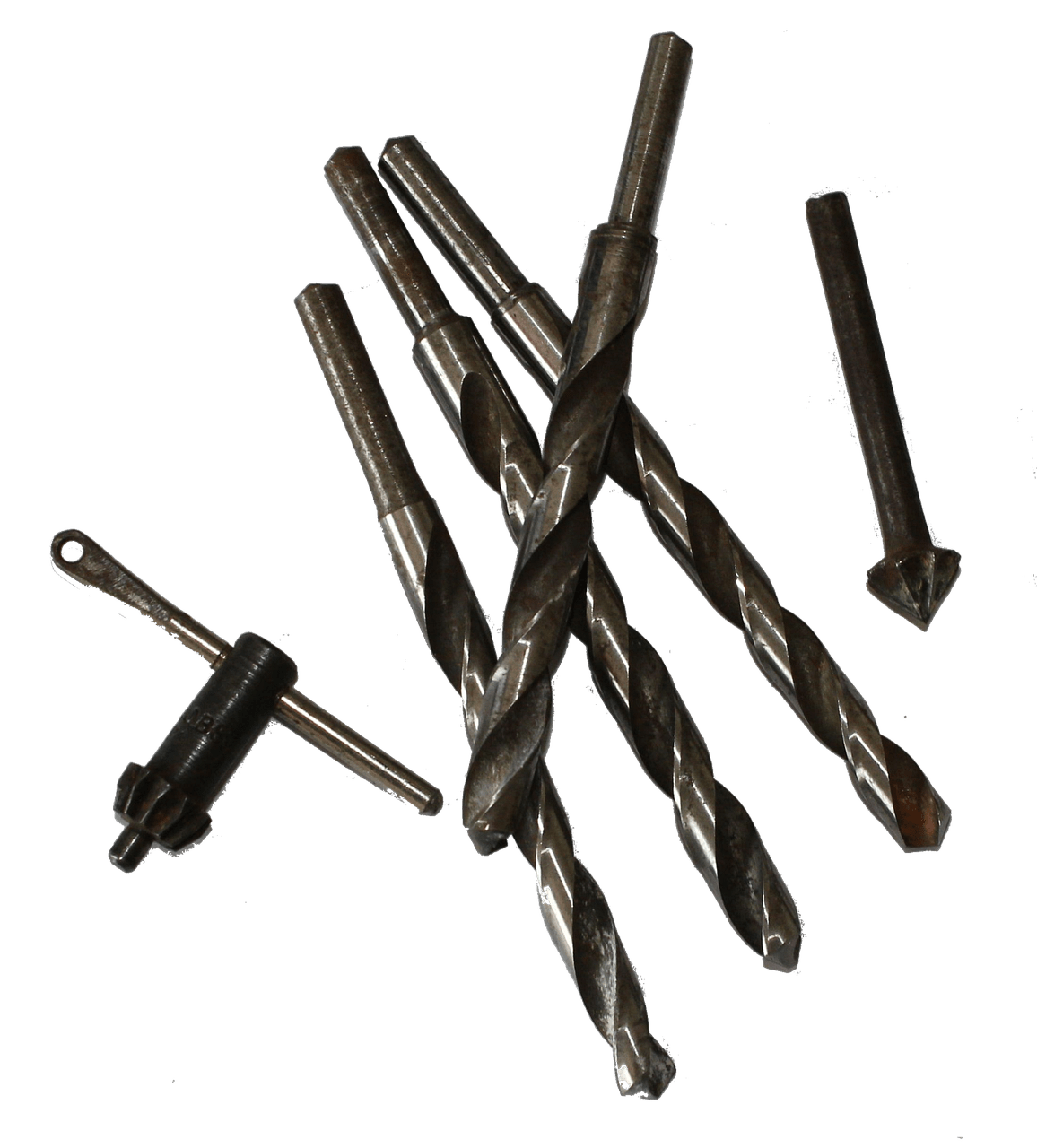
This image is property of pixabay.com.
Proper Drill Bit Selection
Understanding Drill Bit Types
To select the right drill bit for your drilling needs, it’s important to understand the different types of drill bits available. Common types include twist bits, spade bits, hole saws, and masonry bits. Each type is designed for specific applications, so choose the one that aligns with the material you will be drilling.
Matching the Bit to the Material
Matching the drill bit to the material being drilled is crucial for preventing breakage and achieving efficient drilling. Different materials require different types of drill bits. For example, masonry bits are designed for drilling into concrete, while wood bits are suitable for drilling into wood.
Selecting the Right Bit Diameter
Selecting the right bit diameter is important for the success of your drilling project. The diameter of the bit should match the size of the hole you want to drill. Using a bit that is too small can result in a weak or incomplete hole, while using a bit that is too large can put excessive stress on the bit and lead to breakage.
Choosing the Right Shank Type
Drill bits come with different shank types, such as round shank, hex shank, and SDS shank. The shank type should be compatible with your drill press. Make sure to choose a drill bit with a shank that fits securely into the drill press chuck to ensure safe and effective drilling.
Considering the Coating
Some drill bits come with coatings designed to reduce friction and increase durability. Coatings such as titanium nitride (TiN) and black oxide can enhance the performance and lifespan of the drill bit. Consider the type of coating that best suits your drilling needs and select a bit with the appropriate coating.
Determining the Correct Speed
Consult the Drill Press Manual
Consulting the drill press manual is the first step in determining the correct drilling speed. The manual provides information on recommended speeds for different materials. Follow the guidelines provided to ensure optimal drilling performance and prevent drill bit breakage.
Consider the Material
The material being drilled is an important factor to consider when determining the correct drilling speed. Different materials have different properties and require different drilling speeds. For example, drilling into metal typically requires a slower speed compared to drilling into wood. Take the material into account when setting the drill press speed.
Use Speed Charts or Guidelines
If your drill press manual does not provide specific speed recommendations for the material you are drilling, consult speed charts or guidelines. These resources provide suggested speeds based on the type of material and the diameter of the drill bit. Use the information provided as a reference to determine the correct speed.
Test with Scrap Material
If you are unsure about the correct drilling speed, a good practice is to test with scrap material. Find a piece of the same material you will be drilling and experiment with different drill press speeds. Start with a slower speed and gradually increase until you find the speed that produces the desired results without causing excessive stress or breakage.
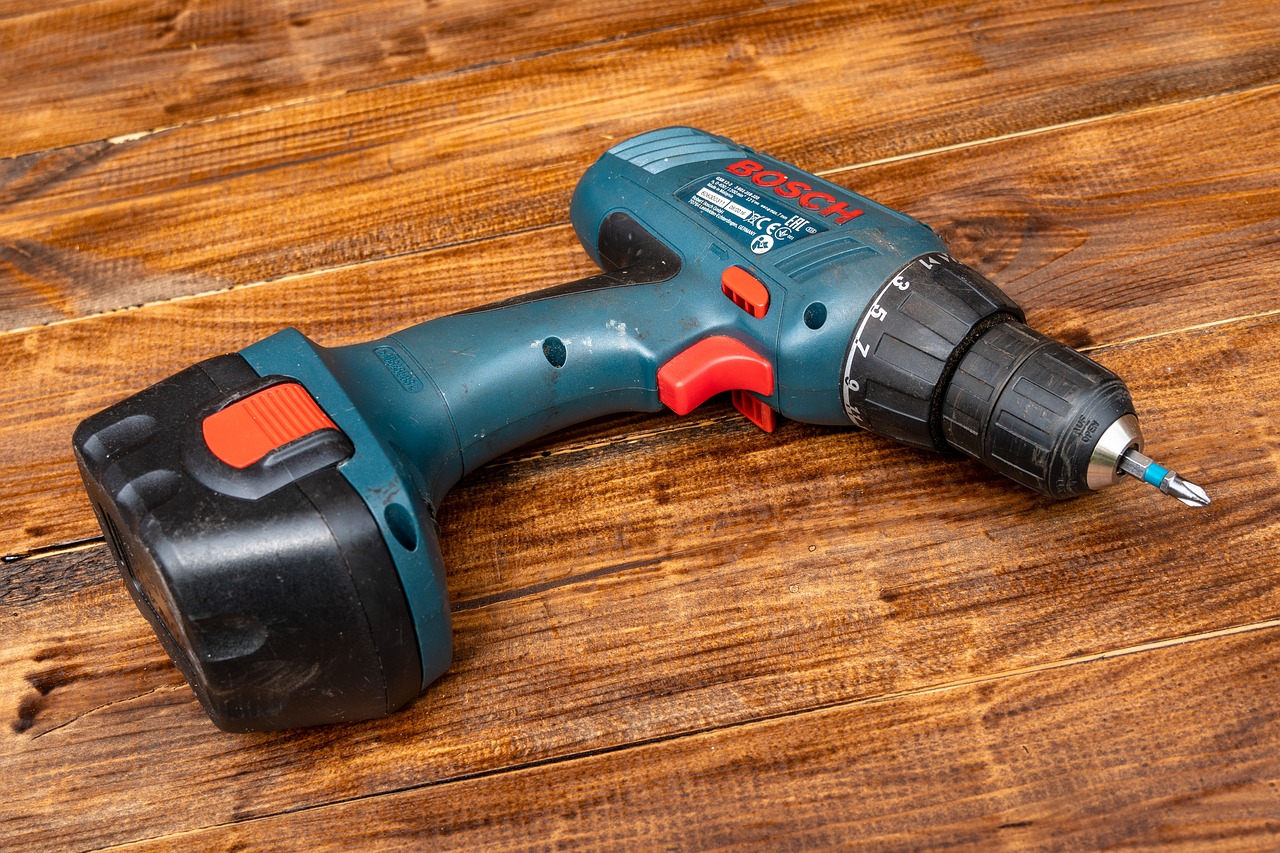
This image is property of pixabay.com.
Controlling the Feed Rate
Match the Feed Rate to the Bit
Matching the feed rate to the bit being used is essential for preventing drill bit breakage. Different bits require different feed rates to achieve optimal drilling results. Consult the manufacturer’s guidelines or refer to industry standards for recommended feed rates based on the bit diameter, material, and type of drill press.
Avoid Forcing the Bit
Forcing the bit while drilling can lead to drill bit breakage. Avoid applying excessive pressure or trying to push the bit through the material too quickly. Instead, let the bit do the work and maintain a steady and controlled feed rate. Applying even pressure and allowing the bit to cut at its own pace reduces the risk of breakage.
Use a Depth Stop
Using a depth stop or a collar on your drill press can help control the feed rate and prevent excessive pressure on the bit. A depth stop allows you to set the desired drilling depth, ensuring consistent and controlled drilling. It serves as a safeguard to prevent overfeeding and potential breakage.
Consider the Material
The material being drilled can influence the feed rate. Softer materials may require a faster feed rate, while harder materials may require a slower feed rate to prevent breakage. Take the material into account and adjust the feed rate accordingly. It’s always better to start with a slower feed rate and gradually increase if necessary.
Importance of Lubrication
Reducing Friction and Heat Build-up
Lubrication plays a vital role in preventing drill bit breakage by reducing friction and heat build-up during drilling. When drilling into materials like metal or wood, friction can increase the temperature of the bit, leading to dulling and breakage. Applying lubrication helps to keep the temperature down, reducing the risk of breakage.
Enhancing Bit Life and Performance
Using lubrication not only prevents breakage but also enhances the overall life and performance of the drill bit. Lubricants provide a protective barrier between the bit and the material, reducing wear and tear. This allows the bit to maintain its cutting edge for a longer time, resulting in cleaner holes and more efficient drilling.
Types of Lubricants for Different Materials
Different materials require different types of lubricants for optimal performance. When drilling into metal, cutting fluids or oil-based lubricants are commonly used. For wood drilling, wax or paraffin sticks can be applied to the bit. Make sure to choose the appropriate lubricant for the material being drilled to achieve the best results and prevent breakage.
Applying the Right Pressure
Avoid Excessive Pressure
Applying excessive pressure while drilling is a common mistake that can lead to drill bit breakage. Excessive pressure adds unnecessary stress on the bit, increasing the risk of breakage. To prevent this, use a steady and controlled pressure without pushing or forcing the bit through the material.
Use Steady and Even Pressure
Maintaining a steady and even pressure throughout the drilling process is important for preventing breakage. Apply consistent pressure to allow the bit to cut at its own pace. Avoid sudden changes in pressure, as this can cause the bit to slip or wander, resulting in a broken bit.
Let the Bit Do the Work
Remember to let the bit do the work. Applying excessive force or pressing too hard can lead to breakage. Instead, guide the bit with a light touch and allow the cutting edges to gradually remove the material. This approach reduces the risk of breakage and ensures a clean and precise drilling result.
Recognizing Drill Bit Wear
Signs of Wear and Tear
Regularly inspecting drill bits for signs of wear and tear is important for preventing breakage. Look for chipped or rounded cutting edges, a dulled surface, or any visible damage. If the bit is no longer cutting smoothly or producing clean holes, it may be a sign of wear and tear and should be replaced or sharpened to prevent breakage.
Replacing or Sharpening the Bit
When a drill bit shows significant wear or damage, it’s important to replace or sharpen it promptly. Dull or damaged bits are more prone to breakage and can result in poor drilling performance. Follow manufacturer guidelines for proper sharpening techniques or purchase a new bit if sharpening is not recommended or feasible.
Checking and Maintaining Bit Sharpness
Maintaining sharpness is crucial for preventing drill bit breakage. A sharp bit cuts more efficiently and generates less heat, reducing the risk of breakage. Regularly inspect your drill bits and sharpen them as needed to ensure optimal performance. Using a sharpening guide or jig can help maintain the correct cutting angles and prolong the bit’s lifespan.
Common Mistakes that Lead to Breakage
Using Dull Bits
Using dull bits is one of the common mistakes that can lead to breakage. Dull bits require more force to cut through the material, increasing the risk of breakage. Regularly inspect your bits and replace or sharpen them when necessary to prevent breakage and ensure efficient drilling.
Ignoring Maintenance
Neglecting proper maintenance of the drill bits is another mistake that can lead to breakage. Regularly check the bits for signs of wear and tear, and replace or sharpen them as needed. Clean the bits after each use and store them properly to prevent rust and damage. Ignoring maintenance can result in poor performance and breakage.
Using the Wrong Speed
Using the wrong speed for drilling is a mistake that can lead to breakage. Running the drill press at a speed that is too high for the material being drilled can put excessive stress on the bit and cause it to break. Always refer to the drill press manual or speed charts to ensure you are using the correct speed.
Using the Wrong Feed Rate
Using an incorrect feed rate is another mistake that can contribute to drill bit breakage. Feeding the bit too slowly can cause it to heat up and dull quickly, while feeding it too quickly can overload the bit and lead to breakage. Match the feed rate to the bit and material to prevent breakage.
Using Excessive Pressure
Applying excessive pressure while drilling is a mistake that can lead to breakage. It’s important to let the bit do the work and apply steady and even pressure throughout the drilling process. Avoid applying excessive force, as it can put unnecessary stress on the bit and cause it to break.
Conclusion
Preventing drill bit breakage is crucial for achieving successful drilling projects. By understanding the common causes of breakage and following the tips and guidelines provided, you can minimize the risk and achieve efficient and precise drilling results. Remember to choose the right drill bit, use the correct speed and feed rate, apply proper lubrication, control the pressure, and maintain the drill bit regularly. With these practices in place, you can keep your drill bits in top condition and prevent unnecessary breakage.