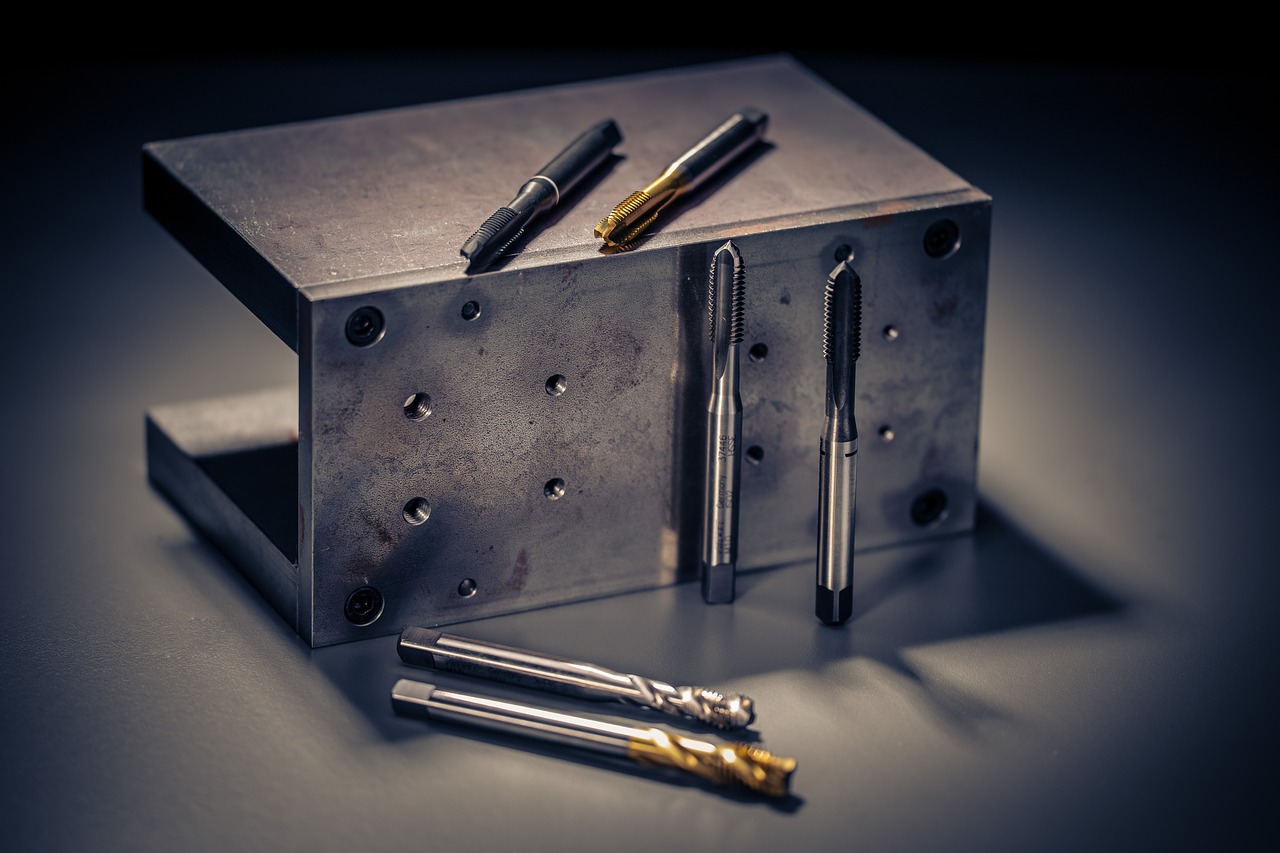
Are you a DIY enthusiast looking to upgrade your drill press game? Look no further! In this article, we will discuss the importance of choosing the right drill bits for your drill press. From the different types of drill bits available to the materials they are made from, we’ve got you covered. Whether you’re a beginner or a seasoned pro, this article will provide you with useful information to help you make the best choice for your drill press needs. So, let’s get started and explore the wide world of drill bits for your drill press!

This image is property of pixabay.com.
Types of Drill Bits
When it comes to choosing the right drill bit, it’s important to consider the task at hand. There are various types of drill bits available, each designed for specific applications. Here’s a breakdown of some common types of drill bits:
Twist Drill Bits
Twist drill bits are the most common type and are used for general drilling tasks. They have a spiral shape with sharp cutting edges that allow them to easily penetrate different materials.
Spade Bits
Spade bits, also known as paddle bits, are primarily used for drilling large holes in wood. These bits have a flat, paddle-like shape with a center point and two sharp cutting edges that effortlessly bore through the wood.
Forstner Bits
Forstner bits are perfect for drilling clean and precise flat-bottomed holes. They are commonly used in woodworking for creating holes for hinges, dowels, and other applications that require a precise and clean finish.
Hole Saw Bits
Hole saw bits are designed for drilling large holes in wood, plastic, or metal. They consist of a circular saw blade with teeth around the edge that cut the material as you drill.
Masonry Bits
Masonry bits are specially designed for drilling into concrete, brick, and other masonry materials. They have a carbide or diamond tip that can withstand the hardness of these materials and provide efficient drilling.
Step Bits
Step bits, also known as cone drill bits, are designed for drilling holes of different diameters in thin materials like sheet metal. They have a stepped shape with multiple cutting edges that allow you to gradually increase the hole size.
Countersink Bits
Countersink bits are used to create a conical hole that allows screws or bolts to sit flush with the surface of the material. These bits typically have multiple cutting edges and can be adjusted to create holes of different depths.
Brad Point Bits
Brad point bits are often used in woodworking to create precise holes without splintering the wood. They have a sharp, pointed tip that helps accurately position the bit and prevent it from wandering.
Auger Bits
Auger bits are commonly used to drill deep holes in wood. They have a screw-like threaded tip that helps pull the bit into the material, making it easier to drill large-diameter holes.
Installer Bits
Installer bits, also called bell hanger bits, are used for drilling holes in drywall, wood, or plastic. They have a hole in the flute of the bit that allows you to pull wires through the drilled hole.
Materials Used in Drill Bits
The material used in a drill bit plays a significant role in its performance and durability. Here are some common materials used in drill bits:
High-Speed Steel (HSS)
High-speed steel (HSS) is one of the most commonly used materials for drill bits. HSS bits are versatile and can be used for drilling various materials, including wood, metal, and plastic.
Cobalt
Cobalt drill bits are made from a blend of cobalt and steel. They are known for their high heat resistance and are ideal for drilling tough materials like stainless steel, cast iron, and heat-treated steel.
Carbide
Carbide drill bits are constructed from ultra-hard tungsten carbide particles bonded with a metallic binder. They are incredibly durable and can withstand high temperatures, making them suitable for drilling materials like concrete, tiles, and masonry.
Diamond
Diamond drill bits, as the name suggests, have a diamond coating that allows them to drill through hard materials like glass, ceramics, and stone. They are known for their exceptional cutting ability and precision.
Titanium
Titanium-coated drill bits are known for their increased durability and heat resistance. They have a thin layer of titanium nitride coating that improves their performance and extends their lifespan. These bits are versatile and can be used for drilling various materials.

This image is property of pixabay.com.
Drill Bit Sizes
Drill bit sizes are classified based on different measurement systems. Understanding drill bit sizes is crucial for selecting the right bit for your drilling needs. Here are the common size classifications:
Fractional Sizes
Fractional drill bit sizes are expressed in inches and are commonly used in the United States. The sizes range from 1/64 of an inch to 1 inch or larger.
Number Sizes
Number drill bit sizes are primarily used in machine shops and metalworking industries. They range from size 1 to size 80, with size 1 being the smallest.
Letter Sizes
Letter drill bit sizes are denoted with letters of the alphabet, from A to Z. The sizes range from 1/64 of an inch (A) to 1 inch (Z) or larger.
Metric Sizes
Metric drill bit sizes are expressed in millimeters and are commonly used outside of the United States. The sizes range from 0.1 mm to several millimeters.
Choosing the Right Drill Bit
Selecting the right drill bit is crucial for achieving accurate and efficient drilling. Here are some factors to consider when choosing a drill bit:
Consider the Material
Different materials require different types of drill bits. For example, wood bits are ideal for drilling through wood, while masonry bits are designed for drilling into concrete or brick. Consider the material you will be drilling into and choose a bit that is specifically designed for that material.
Consider the Purpose
The purpose of your drilling task will also influence the type of drill bit you should use. Are you drilling pilot holes for screws? Do you need to create large holes for pipes or cables? Consider the specific purpose and select a bit that will meet your needs.
Consider the Size
The size of the hole you need to drill will determine the size of the drill bit you should use. Refer to the size classifications mentioned earlier (fractional, number, letter, or metric) and choose a bit with the appropriate diameter.
Consider the Shank Type
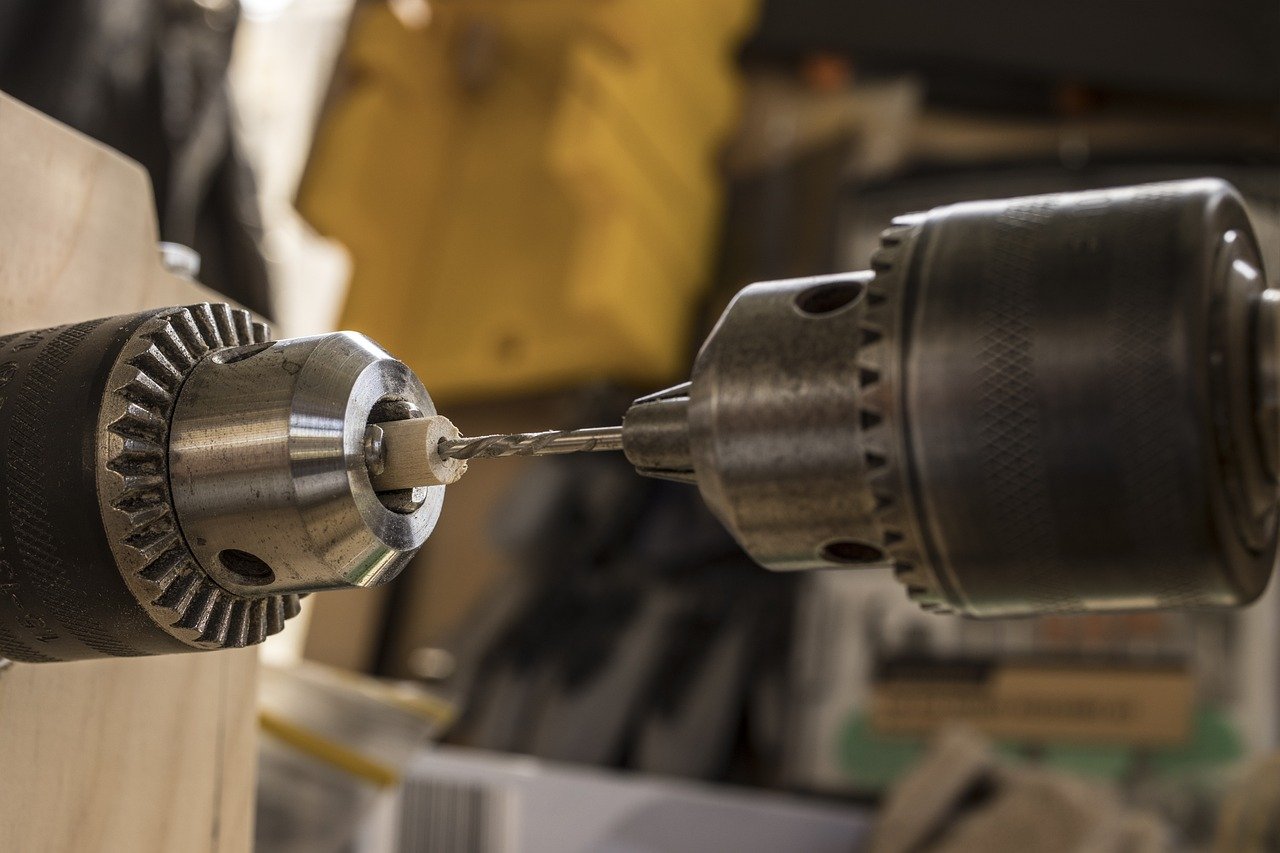
The shank refers to the part of the drill bit that fits into the drill chuck. Common shank types include round shanks and hex shanks. Ensure that the shank type of your selected drill bit is compatible with your drill.
Consider the Coating
Some drill bits come with coatings that enhance their performance and durability. Titanium coating, for example, reduces friction and heat buildup. Consider the coating options available and choose one that suits your drilling needs.
Consider the Cutting Edge Design
Different drill bits have different cutting edge designs, such as twist, spade, or brad point. The cutting edge design will affect the type of hole created and the drilling speed. Choose a cutting edge design that is suitable for your specific drilling task.
This image is property of pixabay.com.
Drill Bit Maintenance
To ensure that your drill bits remain in optimal condition and deliver reliable performance, proper maintenance is essential. Here are some maintenance tips for drill bits:
Sharpening Drill Bits
Over time, drill bits can become dull and less effective. Sharpening them periodically can rejuvenate their cutting ability. Use a drill bit sharpener or a bench grinder to sharpen the cutting edges. Follow the manufacturer’s instructions and take necessary safety precautions.
Cleaning and Lubricating Drill Bits
After each use, it’s a good practice to clean your drill bits to remove any debris or material buildup. A wire brush or a dedicated cleaning tool can be used for this purpose. Additionally, applying a few drops of lubricating oil to the tip and flutes of the bits can help prolong their lifespan and improve their performance.
Replacing Worn Drill Bits
Over time, drill bits can become worn out or damaged beyond repair. If you notice significant wear or damage on a drill bit, it’s best to replace it with a new one. Using worn-out bits can result in poor drilling performance and may increase the risk of accidents.
Specialty Drill Bits
In addition to the standard drill bits mentioned earlier, there are also specialty drill bits designed for specific applications. Here are a few examples:
Tile and Glass Drill Bits
Tile and glass drill bits are specially designed with a spear-shaped tip and a diamond coating. They provide precise drilling in delicate materials like ceramic tiles and glass without causing cracks or chipping.
Multi-Material Drill Bits
Multi-material drill bits are designed to drill through a variety of materials, including wood, metal, plastic, and masonry. These bits are versatile and save you the hassle of switching between different bits for different materials.
Hinge Boring Bits
Hinge boring bits are used for drilling holes for hinges in doors or cabinets. They have a specific design that cuts a clean and precise hole to ensure a proper fit for the hinges.
Router Bits
Router bits are used with a router machine to create decorative edges, grooves, or joinery in wood. They come in various shapes and sizes, allowing you to achieve different woodworking designs.
Safety Tips
When using drill bits, safety should always be a top priority. Here are some important safety tips to keep in mind:
Wear Safety Goggles
Always wear safety goggles or protective eyewear to shield your eyes from flying debris. Even a small piece of material can cause serious eye injuries.
Secure the Workpiece
Ensure that the workpiece is securely clamped or held in place before drilling. This prevents the material from moving or spinning during drilling, which can lead to accidents or damage.
Use Proper Feeding Technique
Use a steady and controlled feeding technique when drilling. Do not apply excessive force or push too hard on the drill. Allow the drill bit to do the work and let it penetrate the material at its own pace.
Avoid Excessive Pressure
Avoid applying excessive pressure or forcing the drill bit through the material. This can cause the bit to slip or break, potentially leading to injury.
Take Breaks for Cooling
When drilling for an extended period, take breaks to allow the drill bit to cool down. Excessive heat can damage the bit and reduce its lifespan.
Keep Hands Away from Moving Parts
Always keep your hands and fingers away from the moving parts of the drill and the drill bit. Accidental contact with rotating parts can cause severe injuries.
Drill Bit Accessories
There are several accessories available that can enhance the functionality and convenience of your drill bits. Here are a few examples:
Drill Bit Sets
Drill bit sets provide a variety of bit sizes and types in a single package. Investing in a comprehensive set can ensure that you have the right bit for every drilling task.
Drill Bit Sharpeners
Drill bit sharpeners are handy tools that allow you to sharpen dull drill bits quickly and easily. They are especially useful for those who frequently use drill bits and want to maintain their cutting performance.
Drill Bit Organizers
Keeping your drill bits organized is essential for easy access and preventing loss or damage. Drill bit organizers come in various designs, from storage cases with labeled compartments to wall-mounted racks.
Drill Bit Extenders
Drill bit extenders are useful when you need to reach deep or awkward places. They allow you to extend the length of your drill bit, giving you more flexibility in your drilling tasks.
Drill Bit Adapters
Drill bit adapters enable you to use bits with different shank sizes on your drill. Whether you need to use a smaller or larger shank bit, an adapter can help you achieve a perfect fit.
Budget-Friendly Drill Bit Options
If you’re on a budget or just starting with your drilling projects, there are affordable options available that still provide quality performance. Here are a few budget-friendly drill bit options:
High-Quality Starter Packs
Some manufacturers offer starter packs that include a selection of essential drill bits at an affordable price. These packs often contain commonly used bit sizes and types, making them ideal for beginners.
Mixed Sets
Mixed sets provide a variety of drill bits for different materials and purposes. They usually offer a good balance between quality and price, so you can get a range of bits without breaking the bank.
Individual Drill Bits
If you only need a specific type or size of drill bit, purchasing individual bits can be a cost-effective option. This allows you to acquire the exact bits you need without spending extra on unnecessary pieces.
Conclusion
Drill bits are essential tools for any DIY enthusiast or professional. By understanding the different types of drill bits, materials used, sizes, and factors to consider when choosing the right bit, you can ensure efficient and effective drilling for a wide range of applications. Remember to prioritize safety, maintain your drill bits properly, and consider accessories that can enhance your drilling experience. With the right drill bit knowledge and equipment, you’ll be well-prepared to tackle various drilling tasks with confidence and precision.