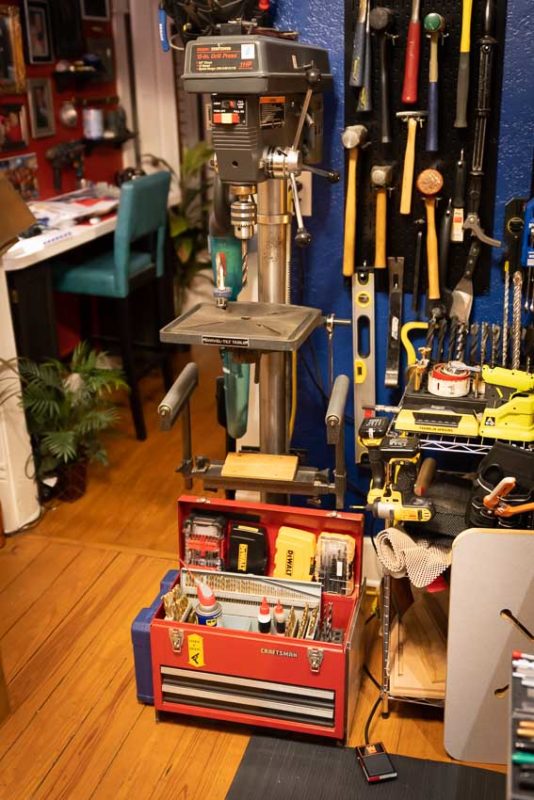
Are you a DIY enthusiast who loves working with drill presses? If so, you may have encountered the frustrating issue of drill press motor overheating. In this article, we will explore the various causes of this problem and provide you with some useful tips to prevent it from happening. Whether you’re a seasoned DIYer or just starting out, understanding the causes of drill press motor overheating can help you maintain the longevity and efficiency of your equipment. So, let’s dive in and explore this common issue together!
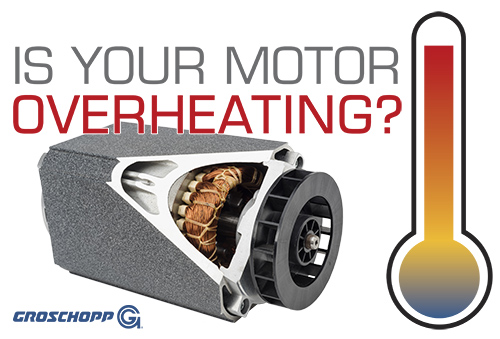
This image is property of www.groschopp.com.
Insufficient Lubrication
Friction between moving parts
One of the main causes of drill press motor overheating is insufficient lubrication. When the moving parts of the drill press are not properly lubricated, friction occurs, which generates heat. Over time, this heat build-up can cause the motor to overheat. It is important to ensure that all the moving parts of the drill press are regularly lubricated with oil or grease to reduce friction and prevent overheating.
Damaged bearings
Another factor that can lead to drill press motor overheating is damaged bearings. Bearings are essential components that allow smooth rotation of the drill press spindle. However, if the bearings are worn out, damaged, or not properly lubricated, they can cause excessive friction and heat. Regular maintenance and inspection of the bearings can help identify any damage or wear and ensure they are in good condition to prevent overheating.
Lack of oil or grease
A common mistake that many drill press users make is neglecting to check and refill the oil or grease levels. The drill press motor requires sufficient lubrication to operate smoothly and efficiently. If the oil or grease levels are low or depleted, there is increased friction between the moving parts of the motor, leading to overheating. Regularly check and replenish the oil or grease levels according to the manufacturer’s guidelines to prevent motor overheating.
Excessive Load
Using the wrong drill bit size
Using the wrong drill bit size can put excessive load on the drill press motor, causing it to overheat. A drill bit that is too large for the material being drilled requires more power from the motor, leading to increased heat generation. It is crucial to use the correct drill bit size for the task at hand to prevent overloading the motor and overheating.
Drilling into hard materials
Drilling into hard materials, such as metal or concrete, can also cause excessive load on the drill press motor. These materials require more power and force to drill through, which puts a strain on the motor and generates additional heat. Proper selection of drill bits designed for specific materials and using appropriate drilling techniques can help reduce the load on the motor and prevent overheating.
Overloading the drilling capacity
Exceeding the drilling capacity of the drill press can lead to motor overheating. Each drill press model has its maximum drilling capacity, which should not be exceeded. When the drill press is overloaded with excessive drilling force or pressure, the motor works harder and generates more heat. It is essential to follow the manufacturer’s guidelines regarding drilling capacity and avoid overloading the drill press to prevent motor overheating.

This image is property of eofficesafetytips.com.
Faulty Motor
Worn out motor brushes
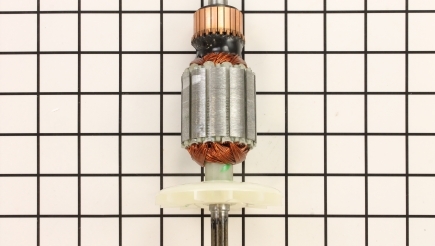
Motor brushes are crucial components in the drill press motor that transfer electrical current to the rotating armature. Over time, these brushes can wear out and become less effective, resulting in increased resistance and heat generation. Worn-out motor brushes can cause the motor to overheat and potentially lead to motor failure. Regular inspection and replacement of motor brushes can help maintain optimal motor performance and prevent overheating.
Malfunctioning motor cooling fan
The motor cooling fan plays a vital role in keeping the motor temperature under control by drawing air over the motor and dissipating heat. If the cooling fan stops working or malfunctions, the motor may not receive adequate ventilation, leading to overheating. It is important to routinely check the cooling fan for any obstructions or damage and ensure it is functioning properly to prevent motor overheating.
Internal motor damage
Internal motor damage, such as a faulty winding or damaged rotor, can also contribute to motor overheating. These internal issues can disrupt the proper functioning of the motor, increase resistance, and generate excessive heat. Regular motor inspections and maintenance can help identify any internal damages and prevent further overheating.
High Ambient Temperature
Operating the drill press in a hot environment
Operating the drill press in a hot environment can significantly affect the motor’s temperature. High ambient temperatures increase the risk of motor overheating as the surrounding heat adds to the heat generated by the motor itself. It is advisable to avoid using the drill press in excessively hot conditions and ensure proper ventilation in the workspace to dissipate heat effectively.
Insufficient ventilation around the motor
Insufficient ventilation around the motor can impede the dissipation of heat, leading to motor overheating. It is important to ensure that there is enough space around the motor for air to circulate freely. Keeping the drill press in a well-ventilated area and avoiding the accumulation of dust or debris can help prevent overheating caused by insufficient ventilation.
This image is property of www.ereplacementparts.com.
Inadequate Power Supply
Voltage fluctuations
Voltage fluctuations can have a significant impact on the performance and temperature of the drill press motor. Low voltage can cause the motor to work harder, generating more heat, while high voltage can potentially damage the motor. It is important to check the power supply and ensure it is stable and within the recommended voltage range to prevent motor overheating.
Overloading the electrical circuit
Overloading the electrical circuit by connecting multiple high-powered appliances to the same circuit can lead to insufficient power supply to the drill press motor. Insufficient power can cause the motor to overheat as it tries to compensate for the lack of electrical current. Distributing the load across multiple circuits or using a dedicated circuit for the drill press can help prevent motor overheating due to inadequate power supply.
Loose or damaged power connections
Loose or damaged power connections can result in an unstable power supply to the drill press motor, leading to overheating. It is crucial to regularly inspect and ensure that all power connections are secure, properly grounded, and free from damage or corrosion. Any loose or damaged connections should be promptly repaired or replaced to maintain a stable power supply and prevent motor overheating.
Dirty Motor or Vents
Accumulation of dust and debris in the motor
The accumulation of dust and debris in the motor can restrict airflow and hinder the motor’s cooling efficiency, resulting in overheating. Regular cleaning of the motor, especially the cooling fins and vents, is essential to prevent the build-up of dust and debris. Using compressed air or a soft brush to remove dirt and keeping the motor clean can help maintain optimal cooling and prevent motor overheating.
Blocked or clogged vents preventing proper airflow
Blocked or clogged vents can significantly impact the motor’s ability to dissipate heat. Vents allow air to flow over the motor, carrying away heat. If the vents are blocked or clogged with dust, debris, or other obstructions, airflow is restricted, causing the motor to overheat. Regularly inspecting and clearing any blockages in the vents can ensure proper airflow and prevent motor overheating.
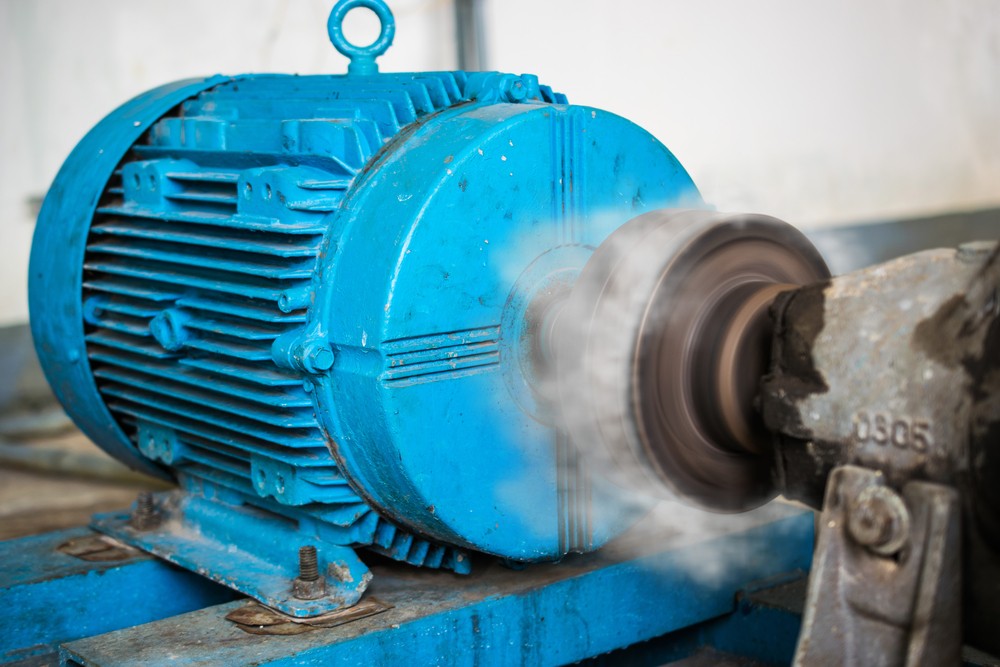
This image is property of gesrepair.com.
Improper Usage and Maintenance
Using the drill press for extended periods without breaks
Using the drill press for extended periods without breaks can cause the motor to overheat. Continuous operation puts a constant load on the motor, generating heat that can accumulate over time. It is important to take regular breaks during prolonged drilling sessions to allow the motor to cool down and prevent overheating. Following the recommended duty cycle specified by the manufacturer can also help prevent motor overheating.
Neglecting regular cleaning and maintenance
Neglecting regular cleaning and maintenance can contribute to motor overheating. Dust, debris, and other impurities can accumulate inside the motor and hinder its cooling efficiency. Regularly cleaning and inspecting the drill press, including the motor, bearings, and vents, can help identify any issues that may lead to overheating and ensure optimal performance.
Ignoring signs of motor overheating
Ignoring signs of motor overheating, such as unusual noises, excessive heat, or motor stalling, can lead to further damage and potential motor failure. It is important to pay attention to these warning signs and take immediate action to address the issue. Shutting down the drill press, allowing it to cool down, and investigating the cause of overheating can help prevent further damage and ensure the longevity of the motor.
Improper Belt Tension
Loose or worn-out drive belt
A loose or worn-out drive belt can cause excessive load on the motor, resulting in overheating. If the drive belt is loose or slipping, it cannot efficiently transfer power from the motor to the drill press spindle. This leads to increased motor strain and heat generation. Regularly inspecting the drive belt and ensuring it is properly tensioned and in good condition can help prevent motor overheating.
Over-tensioned belt causing excessive load on the motor
On the other hand, an over-tensioned drive belt can also cause problems. If the belt is excessively tight, it puts unnecessary strain on the motor, leading to increased friction and heat. It is important to find the right balance when tensioning the drive belt to ensure optimal motor performance and prevent overheating.
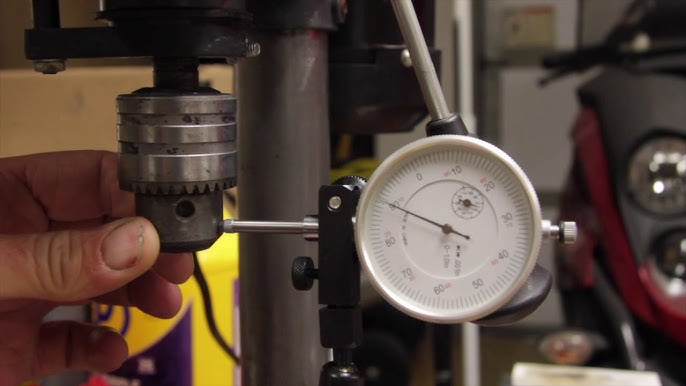
This image is property of i.ytimg.com.
Frayed Wiring or Loose Connections
Worn or damaged motor wiring
Frayed or damaged motor wiring can disrupt the flow of electrical current to the motor, causing it to overheat. Over time, wiring can wear out due to constant use or accidental damage. Inspecting the motor wiring regularly and repairing or replacing any frayed or damaged wires is crucial for preventing motor overheating.
Loose or faulty electrical connections
Loose or faulty electrical connections can result in an unstable power supply to the motor, leading to overheating. It is important to regularly check all electrical connections, including those within the motor control panel, and ensure they are secure and tight. Any loose or faulty connections should be immediately addressed to prevent motor overheating.
Short circuits
Short circuits can significantly impact the motor’s performance and temperature. They occur when there is an unintended connection between two electrical points, causing excessive current flow and generating heat. Proper installation and regular inspection of the electrical system can help identify and prevent short circuits, thereby avoiding motor overheating.
Incorrect Drill Press Settings
Using incorrect speed settings
Using incorrect speed settings on the drill press can cause the motor to overheat. Different materials and drilling tasks require different speed settings to ensure efficient and safe drilling. Using a speed that is too high for the material being drilled can put excessive strain on the motor and generate more heat. It is important to refer to the manufacturer’s guidelines and adjust the speed settings accordingly to prevent motor overheating.
Improper feed rate
The feed rate, which refers to the rate at which the drill press advances into the material being drilled, plays a crucial role in preventing motor overheating. If the feed rate is too fast, the motor has to work harder, generating excessive heat. Conversely, a feed rate that is too slow can cause the drill bit to linger in the material, increasing heat build-up. It is essential to find the right balance and use the appropriate feed rate for the specific drilling task to prevent motor overheating.
Inaccurate depth adjustments
Inaccurate depth adjustments can lead to inefficient drilling and motor overheating. When the drill bit is not set to the correct depth, it can cause the motor to work harder and generate more heat than necessary. Ensuring accurate and proper depth adjustments before each drilling operation can help prevent motor overheating and optimize drilling performance.
In conclusion, there are various causes of drill press motor overheating, ranging from insufficient lubrication and excessive load to faulty motor components and improper usage and maintenance. By understanding these causes and implementing proper preventive measures, such as regular lubrication, correct drill bit selection, and maintaining a clean and well-ventilated environment, users can effectively prevent motor overheating and ensure the longevity and optimal performance of their drill press.