Are you someone who enjoys tackling do-it-yourself projects? If so, then you may have encountered the frustration that comes with inaccurate drilling when using a drill press. In this article, we will discuss the common causes of inaccurate drilling with a drill press, providing you with valuable insights on how to overcome these challenges. Whether you are a beginner or a seasoned DIY enthusiast, understanding these causes can help you achieve precise and accurate drilling results, ensuring the success of your projects. So let’s dive right in and explore the factors that can lead to inaccuracies when using a drill press.
Causes of Inaccurate Drilling With A Drill Press
Drill presses are a valuable tool for DIY enthusiasts and professionals alike. They provide stability, precision, and power, making them ideal for drilling accurate holes in various materials. However, sometimes the results may not be as precise as desired. There can be numerous factors that contribute to inaccurate drilling with a drill press. In this article, we will explore some of the common causes and provide tips on how to address them.
Improper Setup
Incorrect belt tension
One of the primary causes of inaccurate drilling with a drill press is incorrect belt tension. If the belt is too loose or too tight, it can affect the drill’s performance. A loose belt may result in slippage, reducing power and causing the drill bit to lose its grip on the material. Conversely, a belt that is too tight can strain the motor and lead to premature wear.
To ensure proper belt tension, consult your drill press manual for specific instructions. Typically, this involves adjusting the tension by either tightening or loosening the belt according to the manufacturer’s guidelines. Regularly checking and adjusting the belt tension will help maintain optimal performance.
Unlevel work surface
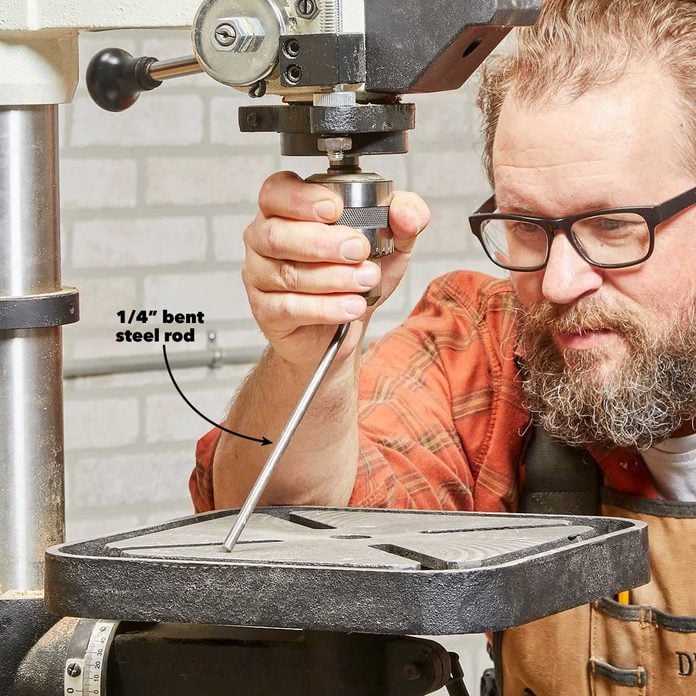
Another potential cause of inaccurate drilling with a drill press is an unlevel work surface. Even a slight tilt can throw off the alignment of the drill bit and result in holes that are not perpendicular to the material. This can be particularly problematic when drilling precise holes for woodworking or metalworking projects.
To address this issue, use a spirit level to check the levelness of your work surface. If it is found to be uneven, adjust the positioning of your drill press or use shims to create a stable and level work area. Taking the extra time to ensure a level surface will greatly improve the accuracy of your drilled holes.
Loose or misaligned vise
A loose or misaligned vise can also contribute to inaccurate drilling. The vise is responsible for holding the workpiece securely in place during drilling. If it is not properly tightened or aligned, there can be movement or shifting, resulting in holes that are not in the desired location.
To prevent this, always double-check the tightness of your vise before drilling. Make sure the workpiece is firmly secured and aligned parallel to the drill bit. If necessary, use additional clamps or supports to stabilize the workpiece for more accurate results. Regularly inspecting and maintaining the vise will help ensure its proper functioning.
Dull Drill Bit
Lack of sharpness
A dull drill bit can significantly impact the accuracy of your drilling. Over time, the cutting edges of the drill bit can become worn, leading to poor performance and a decreased ability to cut through materials cleanly. This can result in splintered edges, uneven holes, and increased friction.
To address this issue, regularly inspect your drill bits and replace any that are dull or damaged. Sharpening the drill bits can also help extend their lifespan, but it should be done carefully and according to the manufacturer’s recommendations. Using sharp drill bits will not only improve accuracy but also make drilling smoother and easier.
Worn-out cutting edges
In addition to overall sharpness, the cutting edges of the drill bit need to be in good condition for accurate drilling. If the cutting edges are worn, chipped, or damaged, they will not be able to cut through the material cleanly, resulting in uneven holes and reduced precision.
It is essential to inspect the cutting edges of your drill bits regularly. Replace any bits with worn-out or damaged edges to ensure optimal performance. Additionally, using appropriate cutting fluid or lubrication while drilling can help reduce heat and friction, prolonging the life of the cutting edges.
Incorrect Speed Setting
Using the wrong speed for the material
Choosing the correct speed setting on your drill press is crucial for accurate and efficient drilling. Different materials require different drill speeds to achieve the best results. Using the wrong speed can cause the drill bit to overheat or become less effective, leading to inaccurate holes and potential damage to the material.
Refer to the manufacturer’s guidelines or a drilling speed chart for the recommended speeds for various materials. Take into account the type and thickness of the material you are drilling and adjust the speed accordingly on your drill press. Taking the time to select the appropriate speed setting will greatly improve the accuracy and quality of your drilled holes.
Using a high speed for a large drill bit
When using large drill bits, it is essential to adjust the speed setting accordingly. Large drill bits require lower speeds to maintain control and prevent overheating. Using a high speed with a large drill bit can cause the bit to grab and pull, leading to inaccurate holes and potential safety hazards.
Refer to the manufacturer’s recommendations for the ideal speed range for your specific drill bits. Adjust the speed setting on your drill press to match the requirements of the bit size, ensuring smooth and accurate drilling.
Improper Feed Rate
Drilling too fast
Drilling too fast is a common mistake that can result in inaccurate holes. When the feed rate is too fast, the drill bit may struggle to cut through the material properly, causing it to grab or wander. This can result in misaligned holes, splintering, and reduced precision.
To ensure accurate drilling, maintain a steady and controlled feed rate. Apply consistent pressure while slowly advancing the drill bit into the material. Adjusting the feed rate according to the material being drilled and the size of the bit will help prevent issues and improve the accuracy of your drilled holes.
Drilling too slow
On the other hand, drilling too slow can also lead to inaccuracies. When the feed rate is too slow, the drill bit may create excessive friction, causing heat to build up. This can lead to burning and discoloration of the material and potentially damage the drill bit.
Finding the right balance between speed and feed rate is essential. Experiment with different feed rates while monitoring the drilling process to achieve the best results. Remember to keep the feed rate steady and adjust as necessary for optimal accuracy.
Weak or Unstable Drill Press
Loose or damaged parts
A weak or unstable drill press can significantly impact the accuracy of your drilling. Loose or damaged parts, such as the headstock, table, or column, can cause unwanted movement and vibrations. This can result in wobbling or chatter, leading to imprecise holes and potential safety hazards.
Regularly inspect your drill press for any loose or damaged parts. Tighten or replace any components as needed to ensure stability and minimize vibrations. A sturdy and well-maintained drill press is crucial for drilling accuracy, so invest time in keeping it in optimal condition.
Insufficient weight or stability
The weight and stability of your drill press can also affect drilling accuracy. If the drill press is not sufficiently heavy or stable, it may move or vibrate during operation. This can lead to imprecise holes, even if all other factors are properly addressed.
Consider adding additional weight or securely anchoring your drill press to a stable surface to minimize movement and vibrations. If necessary, use anti-vibration pads or rubber feet to absorb any residual vibrations. By enhancing the weight and stability of your drill press, you can achieve more accurate and consistent drilling results.
Misalignment of Drill Bit and Workpiece
Uneven clamping
Improper clamping of the workpiece can cause misalignment between the drill bit and the intended hole location. If the workpiece is not securely clamped or is unevenly supported, it can shift or move during drilling. This can result in holes that are not properly centered or perpendicular to the material.
Ensure the workpiece is securely and evenly clamped before drilling. Use appropriate clamps or vise grips to hold the material in place, taking care to align it parallel to the drill bit. Consider using supports or jigs if needed to provide additional stability for accurate drilling.
Drill bit wander
Drill bit wander, also known as walking, occurs when the drill bit starts to deviate from the intended hole location. This can be caused by various factors, including misalignment, insufficient guide support, or excessive feed pressure.
To minimize drill bit wander, start with a center punch or a small pilot hole to provide a guide for the drill bit. This will help ensure accuracy and prevent the bit from wandering off course. Additionally, ensure proper alignment and support of the workpiece throughout the drilling process.
Operator Error
Lack of experience or skill
Inaccurate drilling can sometimes be attributed to operator error, particularly when the person operating the drill press lacks experience or skill. Operating a drill press requires technique and precision, especially when working on intricate projects or delicate materials.
If you are new to using a drill press or working with specific materials, take the time to familiarize yourself with the equipment and practice proper drilling techniques. Seek guidance or training from experienced individuals or watch instructional videos to learn best practices. With practice and experience, you will improve your skill and ability to drill accurately.
Inconsistent pressure
Maintaining consistent pressure while drilling is vital for accuracy. Inconsistent pressure can lead to uneven drilling and holes that are not uniform in depth or diameter. This can result in a lack of precision and compromise the quality of your work.
To ensure consistent pressure, grip the handles firmly and apply steady pressure throughout the drilling process. Avoid sudden changes in pressure that can cause the drill bit to grab or wander. Practice maintaining a controlled and even pressure to achieve accurate and consistent results.
Vibration and Chatter
Loose parts or components
Loose parts or components in your drill press can cause unwanted vibrations and chatter during drilling. These vibrations can affect the accuracy of your drilling, resulting in imprecise holes and potential damage to the material.
Regularly inspect your drill press for any loose parts or components. Tighten any bolts or screws that may have become loose and ensure all parts are securely in place. Additionally, consider using anti-vibration pads or dampening materials to minimize any residual vibrations. By reducing vibration and chatter, you can enhance the accuracy and quality of your drilled holes.
Poor workpiece support
Insufficient support for the workpiece can also contribute to vibrations and chatter during drilling. If the material is not adequately supported or if the work surface is uneven, it can result in instability and unwanted movement, compromising the accuracy of your drilling.
Ensure the work surface is level and stable before drilling. Use appropriate supports or surfaces to evenly distribute the weight of the workpiece and reduce any potential movement or vibration. Taking the time to provide adequate support will greatly contribute to accurate and precise drilling.
Inaccurate Depth Stop
Improperly set depth stop
A depth stop allows you to control the depth of your drilled holes. If the depth stop is improperly set, it can result in inconsistent hole depths and compromise the accuracy of your drilling.
Before drilling, adjust the depth stop according to the desired hole depth. Test the depth setting on a scrap piece of material to ensure it is accurate before proceeding with your project. Regularly check and readjust the depth stop as needed to maintain accurate and consistent hole depths.
Faulty depth stop mechanism
In some cases, inaccurate drilling can be attributed to a faulty depth stop mechanism. If the depth stop fails to hold its position or slips during drilling, it can cause holes that are deeper or shallower than intended.
Regularly inspect the depth stop mechanism for any signs of wear or damage. Lubricate moving parts as recommended by the manufacturer to ensure smooth operation. If the depth stop is not functioning correctly, consider contacting the manufacturer or a professional for repair or replacement. A properly functioning depth stop is essential for accurate drilling.
Improper Lubrication
Insufficient or incorrect lubrication
Proper lubrication plays a crucial role in achieving accurate drilling results. Using insufficient or incorrect lubrication can lead to increased friction, heat, and premature wear of the drill bit. This can result in inaccurate holes, reduced performance, and potential damage to the material.
Refer to the manufacturer’s recommendations for the appropriate lubrication for your specific materials and drill bits. Apply the lubricant as instructed, ensuring thorough coverage. Regularly monitor and replenish the lubricant as needed during the drilling process to maintain optimal performance.
Failure to remove debris
During the drilling process, debris such as wood shavings, metal chips, or dust can accumulate in the hole or around the drill bit. Failure to remove this debris can impede the drilling process and lead to inaccurate holes.
After each drilling operation, remove the debris from the hole and surrounding area. Use compressed air, a brush, or a vacuum to clean the hole and ensure a clear path for the drill bit. Proper debris removal will contribute to accurate drilling and prevent potential clogging or damage to the drill bit.
In conclusion, several factors can contribute to inaccurate drilling with a drill press. By addressing issues related to improper setup, dull drill bits, incorrect speed settings, improper feed rate, weak or unstable drill presses, misalignment of drill bits and workpieces, operator error, vibration and chatter, inaccurate depth stops, and improper lubrication, you can significantly improve the accuracy and precision of your drilled holes. Regular maintenance, proper techniques, and attention to detail will ensure that your drill press consistently delivers accurate and high-quality results for your DIY projects.


