Have you ever wondered how to achieve precise and clean holes in various materials? Look no further! In this article, we will explore the world of step drill bits for your drill press. Whether you are a DIY enthusiast or a professional, these versatile tools will revolutionize your drilling experience. With their unique design and functionality, step drill bits provide the perfect solution for enlarging holes, deburring edges, and creating perfectly smooth cuts. Join us as we uncover the benefits, applications, and top recommendations for incorporating step drill bits into your arsenal of tools. Get ready to take your drilling projects to the next level with these essential accessories!
What are Step Drill Bits?
This image is property of www.handmadeweekly.com.
Definition and Purpose
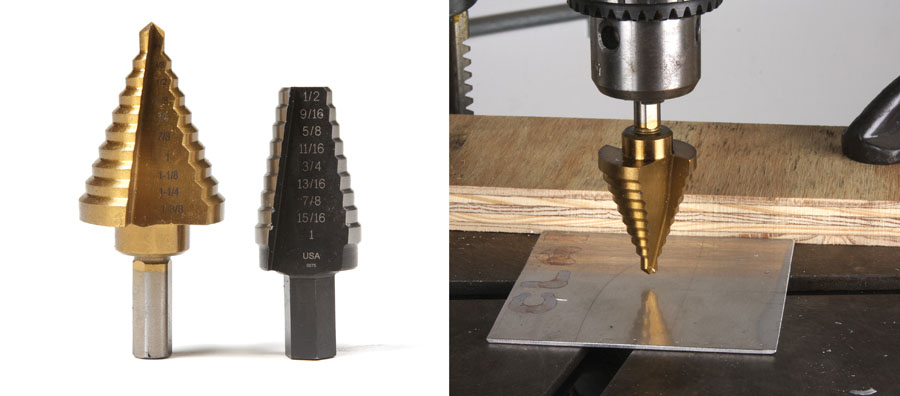
Step drill bits are specialized cutting tools used in conjunction with a drill press to create precise holes in various materials. These bits feature a conical shape with multiple steps or graduated sizes, allowing them to drill holes of different diameters with a single bit. They are commonly used in metalworking, woodworking, and other DIY projects.
The purpose of step drill bits is to provide a cost-effective and efficient solution for drilling holes of various sizes. Unlike traditional drill bits that require multiple changes for different hole sizes, step drill bits can create multiple hole sizes in one operation. They are particularly beneficial for tasks that involve working with thin and delicate materials.
Types of Step Drill Bits
Step drill bits come in different variations to suit various drilling needs. The most common types of step drill bits include:
-
Single-flute step drill bits: These bits have a single flute or cutting edge, which allows for faster drilling and easy chip removal. They are well-suited for softer materials like plastic and aluminum.
-
Double-flute step drill bits: These bits feature two flutes, providing better control and stability during drilling. They are ideal for harder materials like stainless steel or cast iron.
-
Spiral-flute step drill bits: These bits have spiral-shaped flutes that help in chip evacuation and reduce the chances of workpiece damage. They work well with various materials and are particularly effective for drilling holes in thin metal sheets.
-
Step drill bit sets: These sets typically include multiple step drill bits, each with a different range of hole sizes. They offer versatility and convenience for different drilling applications.
Advantages of Using Step Drill Bits
There are several advantages to using step drill bits:
-
Versatility: Step drill bits can create multiple hole sizes, eliminating the need to switch between different bits for different diameters. This saves time and effort during drilling operations.
-
Efficiency: With their gradual step design, these bits remove material in a smooth and efficient manner, resulting in faster drilling speeds and reduced drilling time.
-
Accuracy and Clean Holes: Step drill bits produce clean and precise holes with minimal chipping or burring. Their step design ensures accurate hole diameter and smooth sidewalls.
-
Reduced Friction and Heat: Step drill bits are designed to minimize friction and heat buildup during drilling. This reduces the risk of workpiece damage or material distortion, especially when working with sensitive materials.
-
Suitable for Thin and Delicate Materials: Step drill bits are particularly useful when working with thin or delicate materials such as acrylic, fiberglass, or thin metal sheets. Their gradual drilling process reduces the likelihood of cracking or damaging the workpiece.
Choosing the Right Size and Material
When using step drill bits, it is essential to consider the material you’re working with, determine the size range needed, and select the appropriate coating.
Consider the Material You’re Working With
Different materials require different cutting speeds and drill bit options. For example, when working with soft materials like wood or plastic, a high-speed steel (HSS) step drill bit is typically sufficient. However, for harder materials like stainless steel or cast iron, a cobalt or titanium-coated step drill bit may be more suitable due to their increased hardness and heat resistance.
Determine the Size Range Needed
Before selecting a step drill bit, it is important to determine the size range of the holes you need to drill. Step drill bits come in various size ranges, and choosing the right one ensures that you have the flexibility to drill the desired hole sizes.
This image is property of s28490.pcdn.co.
Selecting the Appropriate Coating
Coatings on step drill bits help improve their performance and durability. Some common coatings include titanium nitride (TiN), titanium aluminum nitride (TiAlN), and black oxide. These coatings offer benefits such as increased hardness, heat resistance, and reduced friction when drilling. Consider the specific requirements of your drilling project to determine the most appropriate coating for your step drill bit.
Benefits of Using Step Drill Bits in Drill Press
Using step drill bits in a drill press offers several benefits that make them a valuable tool in any DIY enthusiast’s arsenal.
Versatility and Efficiency
One of the primary advantages of using step drill bits in a drill press is their versatility and efficiency. With just one bit, you can drill multiple hole sizes, eliminating the need for multiple bits and reducing the time spent on tool changes. This versatility allows you to tackle a wide range of drilling tasks with ease and efficiency.
Accurate and Clean Holes
Step drill bits, when used in conjunction with a drill press, provide accurate and clean holes. The incremental steps on the bit ensure that you achieve the desired hole diameter without any deviation or errors. Additionally, the cutting edges of step drill bits produce clean holes with minimal chipping or burring, resulting in a professional-looking finish.
Reduced Friction and Heat
When drilling with step drill bits in a drill press, the process is smooth and controlled, reducing the amount of friction and heat generated. This is especially important when working with delicate or heat-sensitive materials that may warp or deform under high temperatures. The reduced friction and heat also help prolong the life of the drill bit, ensuring that it remains sharp and effective for longer.
Suitable for Thin and Delicate Materials
Step drill bits are particularly well-suited for drilling holes in thin and delicate materials. The gradual drilling process of these bits reduces the likelihood of cracking or damaging the workpiece, making them ideal for tasks such as installing electrical components, creating holes in sheet metal, or working with acrylic or fiberglass.
Using Step Drill Bits in Drill Press
To maximize the effectiveness and safety of using step drill bits in a drill press, it is important to follow a few key steps.
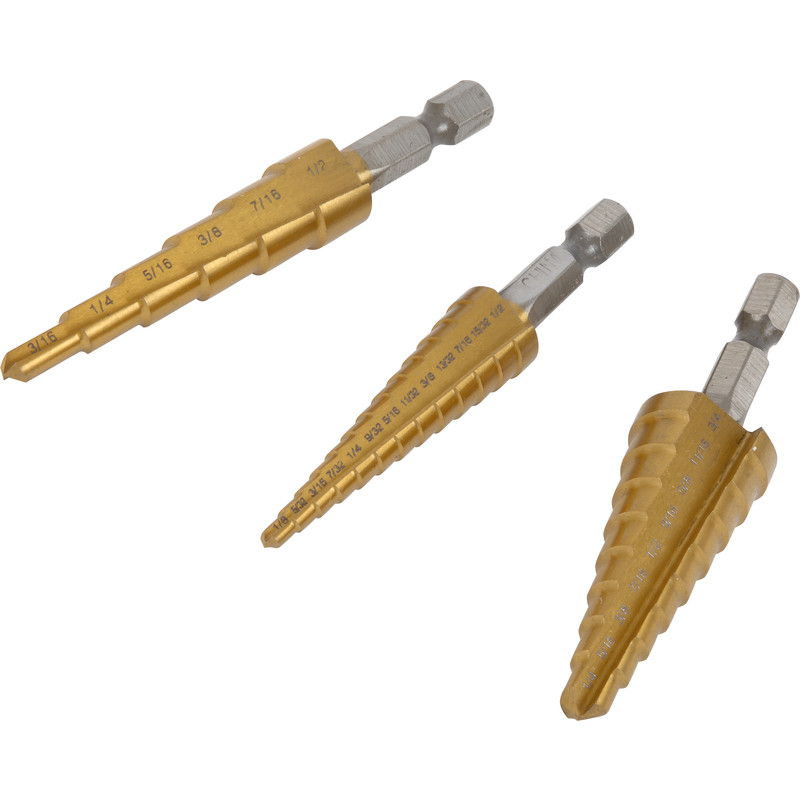
This image is property of cdn.aws.toolstation.com.
Preparing the Drill Press and Material
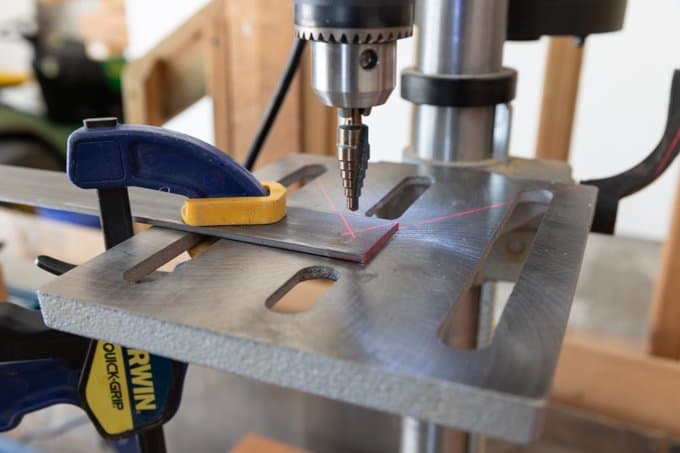
Before starting the drilling process, ensure that the drill press is securely set up and adjusted to the appropriate speed for the material you are working with. Additionally, make sure the workpiece is properly positioned and clamped securely to prevent any movement during drilling.
Securing the Material
It is crucial to secure the material firmly in place to prevent it from moving or rotating while drilling. This can be achieved using clamps or a vise, depending on the size and shape of the workpiece.
Selecting the Desired Depth
Adjust the depth stop on the drill press to the desired depth of the hole. This ensures consistent hole depths throughout the drilling process. If your drill press does not have a depth stop, you can use a piece of tape or a marker to mark the desired depth on the step drill bit.
Proper Drill Speed and Pressure
Different materials require different drill speeds and pressure to achieve optimal results. Consult the manufacturer’s guidelines or the material datasheet to determine the appropriate drill speed and pressure for your specific material. It is important to maintain a steady and controlled drilling speed, avoiding excessive pressure that can lead to overheating or dulling the bit.
Post-Drilling Clean-Up
Once drilling is complete, clean off any debris or shavings from the workpiece and the drill bit. This helps prevent any interference or damage during subsequent drilling operations. Additionally, it is a good practice to apply a protective coating or lubricant to the bit after use to prevent corrosion and maintain its longevity.
Top Brands and Models of Step Drill Bits
Several brands offer high-quality step drill bits that are reliable and provide excellent performance. Here are three top brands and their popular models:
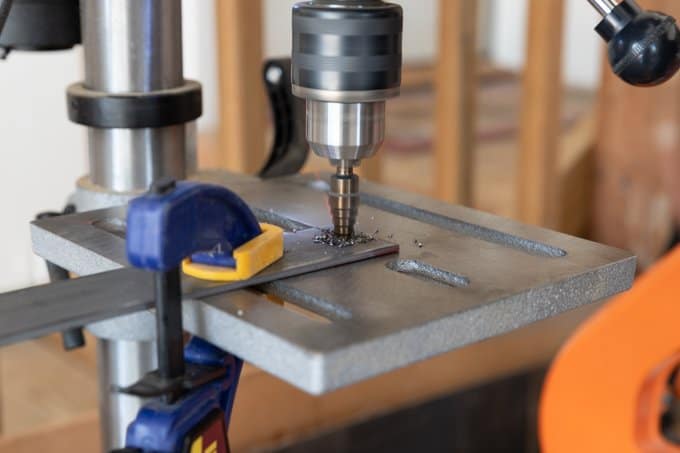
This image is property of www.handmadeweekly.com.
Brand A: Model X
Brand A’s Model X step drill bit is known for its durability and versatility. It features a titanium coating, providing increased heat resistance and extended tool life. Its single-flute design ensures efficient chip removal, making it ideal for soft materials.
Brand B: Model Y
Brand B’s Model Y step drill bit is highly regarded for its precision and clean drilling performance. This double-flute bit offers improved control and stability during drilling, making it suitable for harder materials like stainless steel or cast iron.
Brand C: Model Z
Brand C’s Model Z step drill bit stands out for its spiral-flute design, which enables excellent chip evacuation and reduces the risk of workpiece damage. It is compatible with various materials and works efficiently in drilling holes in thin metal sheets.
Tips and Tricks for Using Step Drill Bits
Here are some valuable tips and tricks that can help you make the most of your step drill bits:
Start with a Pilot Hole
If you are drilling into a hard or dense material, it is often helpful to start with a small pilot hole before using a step drill bit. This helps guide the larger bit and prevents wandering or slipping during the initial drilling process.
Use Lubrication for Longer Bit Life
To extend the life of your step drill bit, consider using lubrication or a cutting fluid while drilling. This reduces friction and heat buildup, preventing premature wear and allowing for smoother cutting. Consult the specific lubrication recommendations for the material you are working with.

This image is property of 3keego.sharkcdn.io.
Avoid Applying Excessive Pressure
When using step drill bits, it is essential to let the tool do the work. Applying excessive pressure can lead to overheating, dulling, or even breaking of the bit. Instead, maintain a steady and controlled drilling speed, allowing the cutting edges to remove material efficiently.
Monitor and Control Drill Speed
Optimal drill speed is crucial for achieving clean and accurate holes. Monitor the drill speed throughout the drilling process and adjust as needed to match the recommendations for the material you are working with. If the drill speed is too high, the material may overheat, while a speed that is too low can result in poor cutting performance.
Common Mistakes to Avoid
To ensure successful drilling operations and prolong the life of your step drill bits, avoid these common mistakes:
Using Incorrect Speed or Pressure
Using a higher speed or excessive pressure can lead to overheating, dulling, or breaking of the drill bit. Always refer to the manufacturer’s recommendations or material specifications for the correct drill speed and pressure settings.
Neglecting Safety Precautions
Safety should always be a priority when using any power tool, including a drill press. Wear appropriate safety gear, such as safety goggles and gloves, to protect yourself from flying debris. Also, ensure that the drill press and work area are clean and free from any obstructions that could cause accidents.
Skipping Pilot Holes
For hard or dense materials, it’s important to start with a pilot hole before using a step drill bit. Skipping this step can lead to an inaccurate or wandering hole, potentially damaging the workpiece or compromising the integrity of the hole.
Using Dull or Damaged Bits
Using dull or damaged step drill bits not only decreases drilling performance but also increases the risk of workpiece damage. Regularly inspect and replace worn or damaged bits to maintain optimal results.
Alternatives to Step Drill Bits
While step drill bits offer unique advantages, there are alternative drill bits that can be used for specific drilling tasks. Some common alternatives to step drill bits include:
Traditional Twist Drill Bits
Traditional twist drill bits are the most commonly used type of drill bits. They are versatile and suitable for drilling various materials but require different bits for different hole sizes.
Spade Bits
Spade bits, also known as paddle bits, are designed for drilling larger holes in wood. They have a flat, paddle-like cutting end and excel in creating holes for running cables or pipes through walls.
Forstner Bits
Forstner bits are specifically designed for drilling precision holes in wood. They create clean, flat-bottomed holes with smooth sides and are ideal for tasks that require precise drilling, such as installing hinge cups or creating perfectly circular depressions.
Hole Saws
Hole saws are cylindrical bits with a serrated edge, used for creating large-diameter holes in various materials, including wood, plastic, and metal. They typically come in sets with interchangeable saw sizes, allowing for flexibility in hole diameter.
Maintenance and Care for Step Drill Bits
To ensure the longevity and optimal performance of your step drill bits, proper maintenance and care are essential.
Cleaning and Removing Debris
After each drilling operation, clean off any debris or shavings from the step drill bit. This can be done using a wire brush or compressed air. Removing debris helps prevent tool damage and ensures that the cutting edges remain sharp.
Sharpening the Cutting Edges
Over time, step drill bits may become dull and less effective. Sharpen the cutting edges using a grinding wheel or a sharpening tool designed for drill bits. Properly sharpened bits ensure clean and efficient cutting and prolong the overall lifespan of the tool.
Avoiding Excessive Heat
Excessive heat can affect the hardness and performance of step drill bits. To prevent overheating, reduce friction by using cutting fluids or lubrication. Additionally, take breaks during drilling operations to allow the bit to cool down if necessary.
Proper Storage
When not in use, store step drill bits in a clean and dry location. This helps prevent rust or corrosion, ensuring that the bits remain in good condition for future use. Consider using plastic or metal cases with individual compartments to keep the bits organized and protected.
Conclusion
Step drill bits are valuable tools for DIY enthusiasts. Their versatility, efficiency, and ability to create accurate and clean holes make them an indispensable addition to any workshop. By following proper techniques and considerations, you can make the most of these bits and enjoy the benefits they offer. So, whether you’re working with delicate acrylic or drilling precise holes in metal sheets, give step drill bits a try and experience their convenience and effectiveness firsthand.