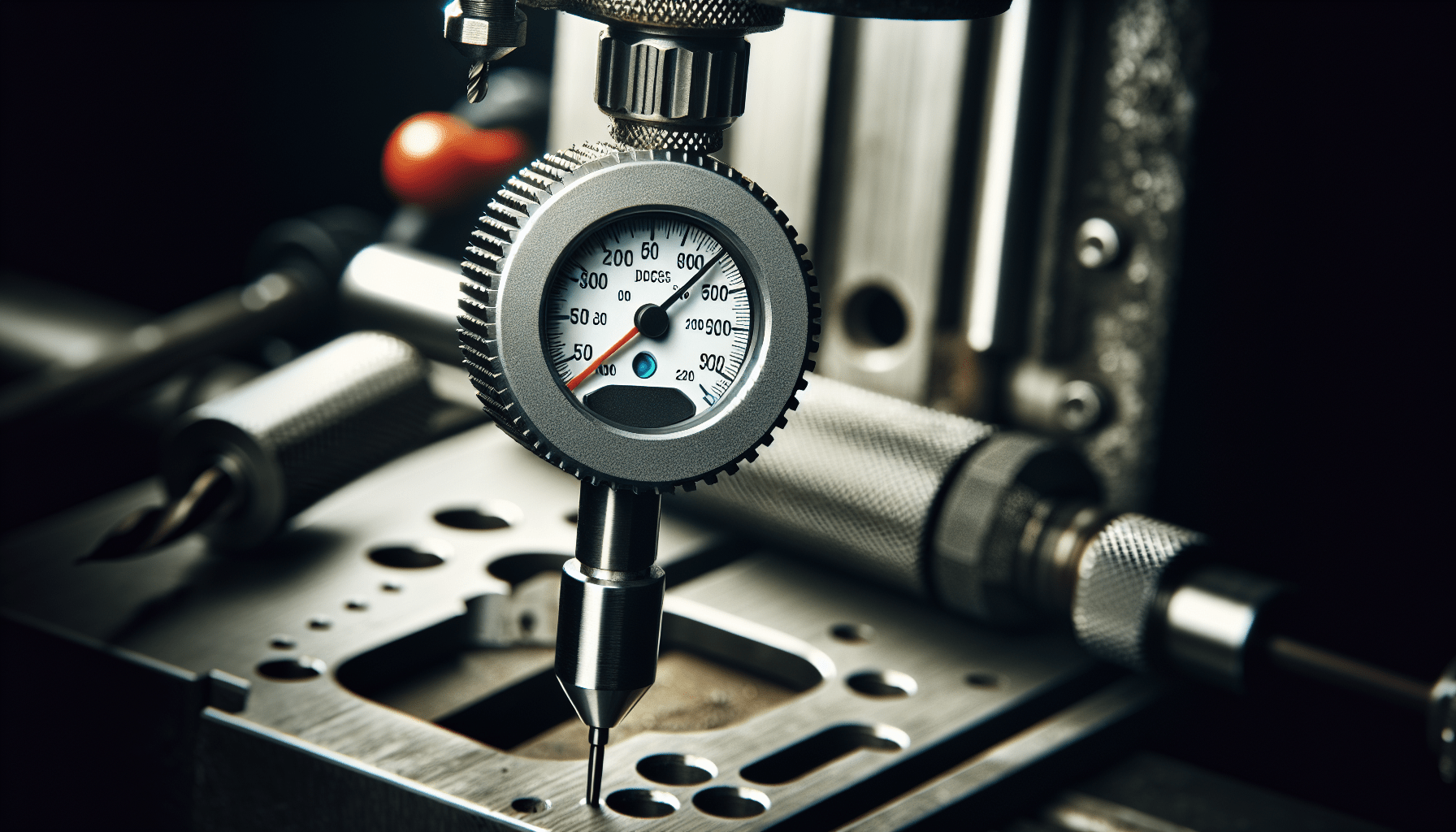
Whether you’re a seasoned DIY enthusiast or just starting out with your home improvement projects, having the right tools is essential. And when it comes to drilling precise and accurate holes, a depth gauge for your drill press is a game-changer. This compact device not only helps you measure the depth of your drill holes with ease, but it also ensures consistent results every time. In this article, we will explore the benefits of using a depth gauge for your drill press, how to install and use it effectively, and some handy tips and tricks to get the most out of this handy tool. So, grab your drill press and let’s dive into the world of depth gauges!
What is a Depth Gauge?
Definition of a depth gauge
A depth gauge is a measuring tool used to determine the depth of a hole or the distance between a surface and a desired depth. It is commonly used in drill presses to ensure accurate and consistent drilling depths.
Purpose of a depth gauge
The main purpose of a depth gauge is to provide precise measurements and control during drilling operations. It is essential for achieving the desired hole depth and avoiding drilling through materials unintentionally.
Importance of a depth gauge for drill presses
In drill presses, a depth gauge is crucial for maintaining consistency and accuracy in drilling depths. Without a depth gauge, it would be challenging to achieve precise depths, especially when multiple holes need to be drilled to the same depth. A depth gauge also helps prevent damaging the workpiece or drilling through it entirely, offering increased control and safety during drilling operations.
Types of Depth Gauges
Basic depth gauges
Basic depth gauges are the most common type and are usually attached to the drill press itself. They consist of a depth rod with a marking or scale indicating the desired depth. To set the depth, the user adjusts the depth rod accordingly and locks it in place. Basic depth gauges are typically affordable and straightforward to use, making them popular for DIY enthusiasts.
Digital depth gauges
Digital depth gauges utilize electronic sensors or digital displays to provide precise depth measurements. They offer higher accuracy compared to basic depth gauges and often have additional features such as memory functions and metric/imperial unit conversion. Digital depth gauges are favored by professionals and those who require more precise drilling depths.
Depth stop collars
Depth stop collars are separate accessories that can be attached to the drill bit itself. They consist of adjustable collars that allow precise positioning and limiting the drill bit’s penetration. Depth stop collars are versatile as they can be used with any drill bit size, making them a convenient choice for those who frequently switch between different bit sizes.
Benefits of Using a Depth Gauge
Accurate and consistent drilling depths
One of the significant benefits of using a depth gauge is the ability to achieve accurate and consistent drilling depths. This is particularly important when working on projects that require multiple holes drilled to the same depth. By using a depth gauge, you can ensure that each hole is precisely drilled to the desired depth, resulting in a professional finish.
Avoiding accidental drilling through materials
Another important benefit of a depth gauge is the ability to avoid accidental drilling through materials. By setting the desired depth on the gauge, you can prevent the drill bit from penetrating beyond the intended depth, thus safeguarding the workpiece. This is especially crucial when working with delicate or valuable materials where drilling too deep can result in irreversible damage.
Time-saving and efficient drilling
Using a depth gauge can significantly enhance the efficiency of drilling operations. With precise depth control, you can complete tasks more quickly and with fewer errors. By eliminating the need for guesswork and constant measurement checking, a depth gauge allows you to focus on the drilling process, saving time and improving overall productivity.
Installation and Setup
Checking compatibility with your drill press
Before installing a depth gauge, it is vital to ensure compatibility with your drill press. Different drill presses may have varying attachment mechanisms or specific depth gauge designs that are compatible with their models. Consult the drill press’s user manual or manufacturer’s guidelines to determine the appropriate depth gauge for your specific model.
Attaching the depth gauge to your drill press
Attaching a depth gauge to a drill press usually involves securing it onto the machine’s body or column. The method of attachment may vary depending on the depth gauge’s design and the drill press model. Most basic depth gauges can be attached using screws or clamps, while digital depth gauges may require additional mounting brackets or adapters.
Calibrating the depth gauge for accurate measurements
To ensure accurate measurements, it is crucial to calibrate the depth gauge properly. Follow the manufacturer’s instructions for calibrating the specific depth gauge you are using. This may involve adjusting or zeroing the gauge to match the desired drilling depth. Regular calibration is recommended to maintain accuracy and precision in your drilling operations.
Tips for Using a Depth Gauge
Using the depth gauge for different drilling depths
Depth gauges offer flexibility in drilling depths, allowing you to adjust and set the desired depth according to your project’s requirements. However, it is important to note that deep drilling may require additional care and support for stability. Always refer to the drill press manual for recommendations on drilling depths and the safe operation of your specific model.
Ensuring proper alignment and stability
To achieve accurate drilling depths, it is crucial to ensure proper alignment and stability of the depth gauge and workpiece. Make sure the drill press is securely fastened to a stable surface and that the depth gauge is firmly attached. Additionally, ensure that the workpiece is appropriately clamped and positioned to prevent any movement or slippage during drilling.
Maintenance and cleaning of the depth gauge
Regular maintenance and cleaning of the depth gauge are essential for optimal performance and longevity. Remove any dirt, debris, or excess lubricant from the gauge regularly to prevent interference with the measurement markings. Lubricate any moving parts as recommended by the manufacturer to ensure smooth operation. Store the depth gauge in a clean and dry environment when not in use to prevent damage and maintain accuracy.
Popular Depth Gauge Brands
Brand 1: Features and benefits
Brand 1 offers a range of depth gauges designed specifically for drill presses. Their depth gauges are known for their durability and precision, allowing for accurate drilling depths with ease. They feature easy installation, compatibility with various drill press models, and user-friendly designs. Additional features may include ergonomic grips, clear measurement markings, and adjustable locking mechanisms for added convenience.
Brand 2: Features and benefits
Brand 2 is renowned for its digital depth gauges that provide exceptional accuracy and advanced functionalities. Their depth gauges feature digital displays with large, easy-to-read numbers, making it effortless to set and read the desired drilling depths. Brand 2’s depth gauges also offer memory functions, allowing users to save and recall commonly used drilling depths. These gauges are popular among professionals and hobbyists who require high precision in their projects.
Brand 3: Features and benefits
Brand 3 specializes in depth stop collars that offer versatility and reliability. Their depth stop collars are made from high-quality materials, ensuring durability and longevity. They feature precise adjustment mechanisms, allowing users to set drilling depths with utmost accuracy. Brand 3’s depth stop collars are compatible with various drill bit sizes, providing flexibility in drilling applications.
Factors to Consider When Choosing a Depth Gauge
Accuracy and precision
One of the most important factors to consider when choosing a depth gauge is its accuracy and precision. Look for gauges with clearly marked measurement scales or digital displays that allow for precise depth settings. Consider the tolerance level and how closely the gauge can achieve the desired drilling depths. High accuracy and precision are crucial for achieving professional results.
Ease of installation and use
Choose a depth gauge that is easy to install and use, especially if you are a beginner or DIY enthusiast. Look for gauges with straightforward attachment mechanisms and clear instructions for setup. Consider user-friendly features such as ergonomic grips, intuitive controls, and easy-to-read measurement markings. The easier the depth gauge is to use, the more efficient and enjoyable your drilling experience will be.
Durability and quality
Opt for a depth gauge that is built to last and withstand the demands of drilling operations. Look for gauges made from durable materials such as stainless steel or high-quality plastics. Consider the overall build quality and the reputation of the brand for producing reliable and long-lasting products. A durable depth gauge will provide years of accurate measurements and reliable performance.
Compatibility with your drill press
Ensure that the depth gauge you choose is compatible with your specific drill press model. Check the drill press’s specifications and consult the depth gauge manufacturer’s guidelines for compatibility information. Choosing a gauge that is designed to work seamlessly with your drill press will ensure proper attachment and optimal performance.
Cost of Depth Gauges
Average price range
The cost of depth gauges can vary depending on the type, brand, and additional features. Basic depth gauges are generally more affordable, with prices ranging from $10 to $50. Digital depth gauges, offering higher accuracy and advanced functionalities, can range from $50 to $200. Depth stop collars are typically priced between $20 and $80.
Factors influencing the cost
Several factors can influence the cost of a depth gauge. These include the type of gauge (basic, digital, depth stop collar), the brand’s reputation and quality, additional features or functionalities, and the overall demand for the product. Higher-end depth gauges may include advanced features such as memory functions, digital displays, or compatibility with multiple drill press models, which can contribute to a higher price.
Value for money
When considering the cost of a depth gauge, it is essential to assess the value it provides. Consider the gauge’s accuracy, durability, ease of use, and compatibility with your drill press. A more expensive depth gauge with advanced features may be worth the investment if it offers increased accuracy, convenience, and longevity. However, for simpler drilling needs, a more affordable basic depth gauge may provide sufficient value for money.
Common FAQ about Depth Gauges for Drill Presses
How do depth gauges work?
Depth gauges work by providing a reference point or scale for setting the desired drilling depth. By adjusting the depth rod or collar according to the desired depth, the user can control how far the drill bit penetrates. The depth gauge allows the user to accurately repeat drilling depths or achieve consistent depths across multiple holes.
Can I use any depth gauge with my drill press?
While many depth gauges are designed to be compatible with most drill presses, it is important to check compatibility before purchasing. Different drill press models may have specific attachment mechanisms or depth gauge designs. Consult your drill press’s user manual or manufacturer’s guidelines to ensure that the depth gauge you choose is compatible with your specific model.
Are there any safety precautions when using depth gauges?
When using depth gauges, it is essential to follow safety precautions to prevent accidents or damage. Always wear appropriate personal protective equipment, such as safety glasses, when operating a drill press. Ensure proper clamping and stability of the workpiece to prevent movement during drilling. Additionally, familiarize yourself with the drill press’s safety features and guidelines provided in the user manual.
Conclusion
Summary of the importance of depth gauges
Depth gauges are essential tools for drill presses, providing accurate and consistent drilling depths. They allow for precise depth control, prevent accidental over-drilling, and enhance overall drilling efficiency and productivity.
Choosing the right depth gauge for your needs
When choosing a depth gauge, consider factors such as accuracy, ease of installation and use, durability, and compatibility with your drill press. Assessing the value for money based on these factors will help you select the most suitable depth gauge for your specific drilling requirements.
Enhancing the functionality and precision of your drill press
By incorporating a depth gauge into your drill press setup, you can greatly enhance its functionality and precision. Whether you are a DIY enthusiast or a professional user, a depth gauge offers improved control, increased accuracy, and a more efficient drilling experience. Invest in a reliable and compatible depth gauge to unlock the full potential of your drill press.


