Have you ever experienced frustration while using a drill press, only to have the chuck slip and ruin your project? If so, you’re not alone. In this article, we will explore the issue of drill press chuck slippage and provide helpful tips and solutions to prevent this common problem. Whether you’re a DIY enthusiast or a professional carpenter, understanding how to avoid chuck slippage is essential for achieving accurate and precise drilling results. So grab your coffee, get comfortable, and let’s dive into the world of drill press chuck slippage.
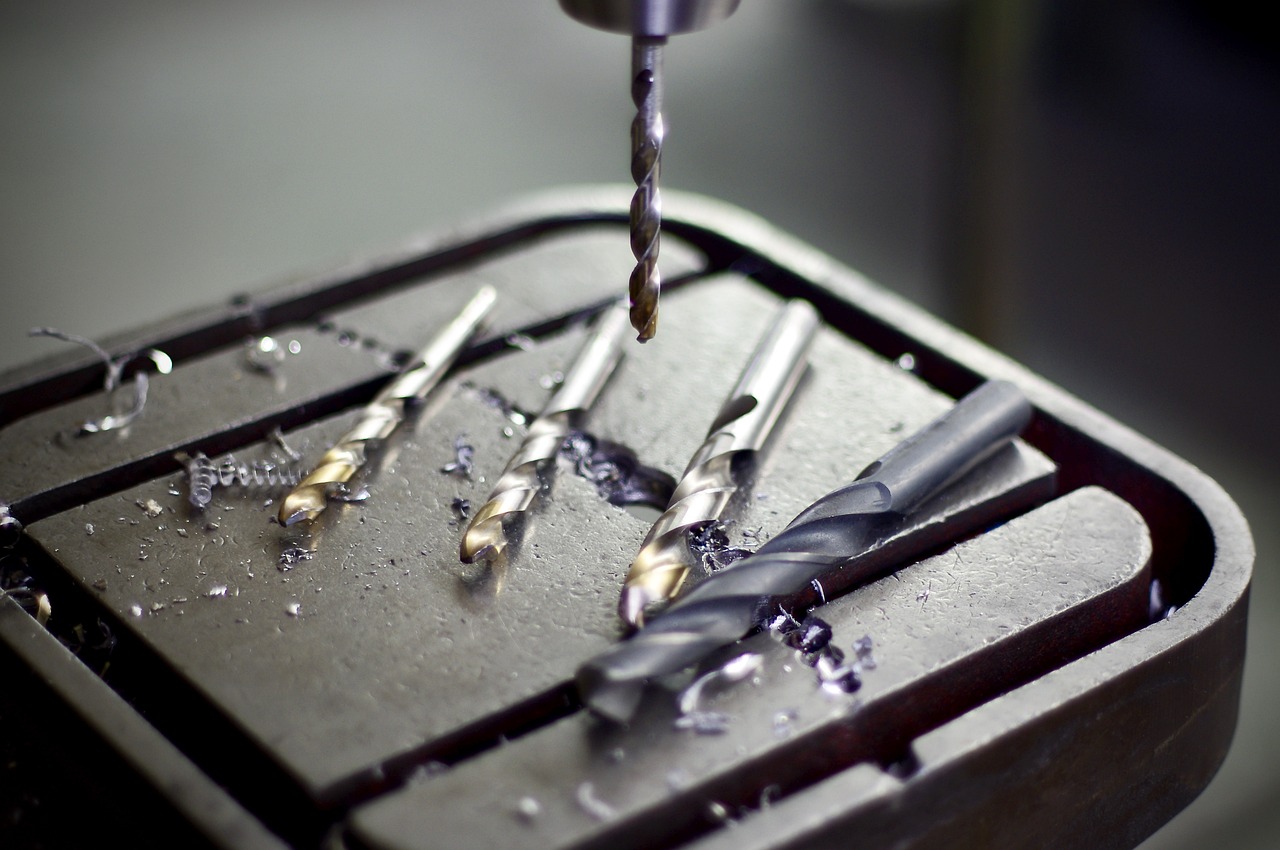
This image is property of pixabay.com.
What is drill press chuck slippage?
Drill press chuck slippage refers to the unwanted movement or slipping of the chuck while drilling. The chuck is responsible for holding the drill bit securely in place during operation. When the chuck slips, it can result in inaccurate drilling, reduced drilling performance, and potential safety hazards. It is crucial to understand the causes, impact, and prevention methods of drill press chuck slippage to ensure safe and efficient drilling practices.
Definition of drill press chuck slippage
Drill press chuck slippage is the unintentional rotation or movement of the chuck assembly during drilling, causing the drill bit to lose its position and potentially leading to imprecise hole drilling. This issue can occur due to various reasons, such as worn-out chuck keys, improper tightening techniques, loose or damaged chucks, and inadequate chuck maintenance.
Causes of drill press chuck slippage
There are several factors that can contribute to drill press chuck slippage. Understanding these causes is essential for effectively addressing the issue and preventing its occurrence in the future.
-
Worn-out chuck key: Over time, the chuck key may wear out, leading to a poor grip on the chuck teeth. This can result in the chuck slipping during drilling, as the key is unable to secure the chuck firmly.
-
Improper tightening technique: If the chuck is not tightened properly, it can easily slip during drilling. It is important to follow the manufacturer’s instructions for tightening the chuck correctly to ensure a secure grip on the drill bit.
-
Loose or damaged chuck: A loose or damaged chuck can cause slippage as it fails to hold the drill bit firmly in place. This can occur due to regular wear and tear or a defective chuck assembly. Inspecting the chuck regularly for any signs of damage or looseness is crucial to prevent slippage.
-
Inadequate chuck maintenance: Neglecting regular maintenance of the chuck can contribute to slippage. Dirt, debris, and rust buildup can hinder the proper functioning of the chuck, leading to instability and slippage during drilling.
Identifying drill press chuck slippage
To effectively address drill press chuck slippage, it is important to be able to identify its occurrence. Visual signs and auditory cues can help in detecting whether the chuck is slipping or not.
Visual signs of chuck slippage
One of the visual signs of chuck slippage is the misalignment of drilled holes. If you notice that the holes drilled are not in line with the intended position, it may indicate that the chuck has slipped during drilling. Additionally, observing any movement or rotation of the chuck during operation can be a clear visual indication of chuck slippage.
Auditory cues of chuck slippage
Apart from visual signs, auditory cues can also provide insight into whether the chuck is slipping. If you hear any unusual sounds, such as grinding or clicking noises, during drilling, it may indicate that the chuck is slipping or not securely holding the drill bit.
Effect on drilling performance
Drill press chuck slippage can significantly impact drilling performance. The most noticeable effect is the reduction in drilling accuracy. When the chuck slips, the drill bit deviates from its intended position, resulting in imprecise holes and potentially ruining the workpiece. Moreover, the slippage can lead to decreased drilling efficiency, as the drill bit may struggle to grip the material properly, causing slower drilling and wasted time.
Common reasons for drill press chuck slippage
Understanding the common reasons behind drill press chuck slippage can help in taking preventive measures and addressing the issue promptly.
Worn-out chuck key
A worn-out chuck key with damaged or worn teeth can result in a weaker grip on the chuck, leading to slippage. Regularly inspecting the chuck key for signs of wear and replacing it when necessary is crucial to prevent chuck slippage.
Improper tightening technique
Incorrectly tightening the chuck can cause it to slip during drilling. Following the manufacturer’s instructions and applying the appropriate amount of force while tightening the chuck is vital for a secure grip on the drill bit.
Loose or damaged chuck
A loose or damaged chuck can contribute to slippage. Regularly checking the chuck for any signs of looseness or damage, such as wobbling or excessive play, is essential for preventing slippage. If any issues are detected, it is advisable to replace or repair the chuck as needed.
Inadequate chuck maintenance
Neglecting regular maintenance of the chuck can lead to slippage. Cleaning the chuck regularly to remove dirt, debris, and rust buildup ensures smooth operation and reduces the risk of slippage. Additionally, lubricating the chuck with appropriate lubricants can help maintain its integrity and prevent slippage.
Preventing drill press chuck slippage
Taking preventive measures is essential to avoid drill press chuck slippage and promote safe and efficient drilling practices. By implementing the following preventive measures, you can minimize the chances of chuck slippage occurring.
Regular maintenance and cleaning
Regularly cleaning the chuck to remove any dirt, debris, or rust buildup is crucial for optimal performance. Using a brush or compressed air, clean the chuck thoroughly, ensuring there are no obstructions that may hinder its operation. Additionally, applying lubricants specifically designed for chucks can aid in reducing friction and preventing slippage.
Proper chuck key usage
Always use the correct chuck key that matches the chuck’s teeth and size. Choosing the wrong key can lead to a poor grip, resulting in slippage. Additionally, ensure that the chuck key is in good condition, with no damaged or worn-out teeth.
Using the correct chuck for the drill bit
Using the appropriate chuck for the drill bit diameter is essential to prevent slippage. Chucks are designed for specific drill bit sizes, and using an incompatible chuck can result in an insufficient grip and subsequent slippage. Consult the drill press manual or manufacturer’s guidelines to determine the correct chuck size for your specific drill bit.
Applying sufficient torque during tightening
When tightening the chuck, ensure that you apply sufficient torque without overtightening. Overtightening can damage the chuck or the drill bit, while insufficient torque may result in a loose grip and slippage. Following the manufacturer’s recommendations for proper tightening torque is key to maintaining a secure hold on the drill bit.
Addressing drill press chuck slippage
If you experience drill press chuck slippage despite preventive measures, it is important to address the issue promptly to ensure safe and efficient drilling.
Tightening the chuck correctly
If the chuck is slipping during drilling, first check if it is tightened correctly. Use the chuck key to tighten the chuck firmly, ensuring a secure grip on the drill bit. If the chuck continues to slip even with proper tightening, further inspection and measures may be necessary.
Replacing or repairing a faulty chuck
If the chuck is damaged, loose, or consistently slipping, it may need to be replaced or repaired. Depending on the severity of the issue, consult the drill press manual or contact a professional to determine the appropriate course of action. Replacing or repairing a faulty chuck is crucial for maintaining safe and precise drilling operations.
Using chuck key holders for better grip
Using chuck key holders or attachments can provide a better grip while tightening the chuck. These accessories offer additional leverage and stability, enhancing the tightening process and reducing the chances of slippage.
Checking chuck alignment
If the chuck slippage persists or is intermittent, it may be due to misalignment. Inspect the chuck’s alignment with the drill press spindle and adjust it if necessary. Misalignment can cause uneven pressure distribution and lead to slippage.
Safety considerations
When dealing with drill press chuck slippage, it is important to prioritize safety to avoid accidents and injuries.
Wearing appropriate safety gear
Always wear personal protective equipment (PPE) such as safety glasses, ear protection, and gloves while operating a drill press. These safety measures help protect against potential hazards associated with chuck slippage or any other accidents that may occur during drilling.
Avoiding overloading the drill press
Overloading the drill press by applying excessive force or attempting to drill large or tough materials beyond the machine’s capacity can increase the risk of chuck slippage. Always use the drill press within its specified limits to ensure safe and stable operation.
Maintaining proper drill press stability
Proper stability of the drill press is crucial to prevent chuck slippage. Ensure that the machine is securely mounted or placed on a stable surface and there is no excessive vibration during operation. Any instability can contribute to chuck slippage and compromise drilling safety.
Common misconceptions about drill press chuck slippage
To better understand drill press chuck slippage, it is necessary to debunk common misconceptions associated with the issue.
Assuming chuck slippage is always due to chuck defects
While chuck defects can contribute to chuck slippage, it is not the sole cause. Factors such as worn-out chuck keys, improper tightening techniques, and inadequate maintenance can also lead to slippage. It is essential to consider all potential causes when addressing chuck slippage.
Believing any chuck key will fit all chucks
Chuck keys are not universal, and different chucks may require specific chuck keys. Using the wrong chuck key can result in a poor grip, leading to slippage. Always ensure you have the correct chuck key for your specific chuck.
Neglecting regular maintenance as a preventive measure
Regular maintenance, including cleaning and lubricating the chuck, is necessary to prevent slippage. Neglecting these maintenance tasks increases the likelihood of slippage and compromises drilling performance and safety. Incorporating regular maintenance into your drilling routine is essential for preventing chuck slippage.
Drill press chuck slippage vs. drill bit slippage
It is important to differentiate between drill press chuck slippage and drill bit slippage to effectively address each issue.
Distinguishing between the two issues
Drill press chuck slippage refers to the movement or rotation of the chuck assembly during drilling, affecting the drill bit’s position and stability. On the other hand, drill bit slippage occurs when the drill bit loses grip on the material being drilled, resulting in its spinning or sliding off the intended drilling spot.
Causes and prevention of drill bit slippage
Drill bit slippage can be caused by factors such as insufficient pressure, improper drill bit selection, or dull drill bits. Applying sufficient pressure, using the appropriate drill bit for the material, and ensuring sharp drill bits can minimize the chances of drill bit slippage.
Implications for drilling accuracy
Both drill press chuck slippage and drill bit slippage can lead to reduced drilling accuracy. However, drill press chuck slippage primarily affects the stability and positioning of the drill bit, while drill bit slippage directly impacts the accuracy of the hole being drilled. Understanding these differences can help in troubleshooting and addressing the correct issue.
When to seek professional assistance
While many instances of drill press chuck slippage can be addressed using the previously mentioned methods, there are situations where professional assistance may be required.
Persistent chuck slippage despite maintenance
If the chuck continues to slip even after following preventive measures and addressing possible causes, it may indicate a more serious issue that requires professional expertise. A professional can thoroughly inspect and diagnose the underlying problem, recommending appropriate repairs or replacements as necessary.
Visible damage to the chuck
Visible damage to the chuck, such as cracks, deformities, or excessive wear, may require professional intervention. Operating the drill press with a damaged chuck can lead to safety hazards and further damage to the machine.
Difficulty in diagnosing the cause of slippage
If you are unable to identify the root cause of the chuck slippage or encounter difficulties in troubleshooting and addressing the issue, seeking professional assistance can help in identifying and rectifying the concern. Professionals have the expertise and experience to diagnose complex issues and provide effective solutions.
Conclusion
Drill press chuck slippage can significantly impact drilling accuracy, performance, and safety. By understanding the causes, signs, and preventive measures associated with chuck slippage, you can effectively address the issue and promote safe and efficient drilling practices. Regular maintenance, proper tightening techniques, and using the correct chuck key and chuck for the drill bit are crucial in preventing slippage. Additionally, wearing appropriate safety gear, avoiding overloading the drill press, and maintaining proper stability enhance drilling safety. By addressing chuck slippage promptly and seeking professional assistance when needed, you can ensure the longevity and optimal performance of your drill press.