If you’re a DIY enthusiast looking to take your projects to the next level, then you’ve come to the right place. In this article, we’ll be discussing the ins and outs of twist drill bits for your drill press. Whether you’re a seasoned pro or just starting out, these nifty little tools can make a world of difference in your woodworking or metalworking endeavors. So sit back, relax, and let’s explore the world of twist drill bits together!
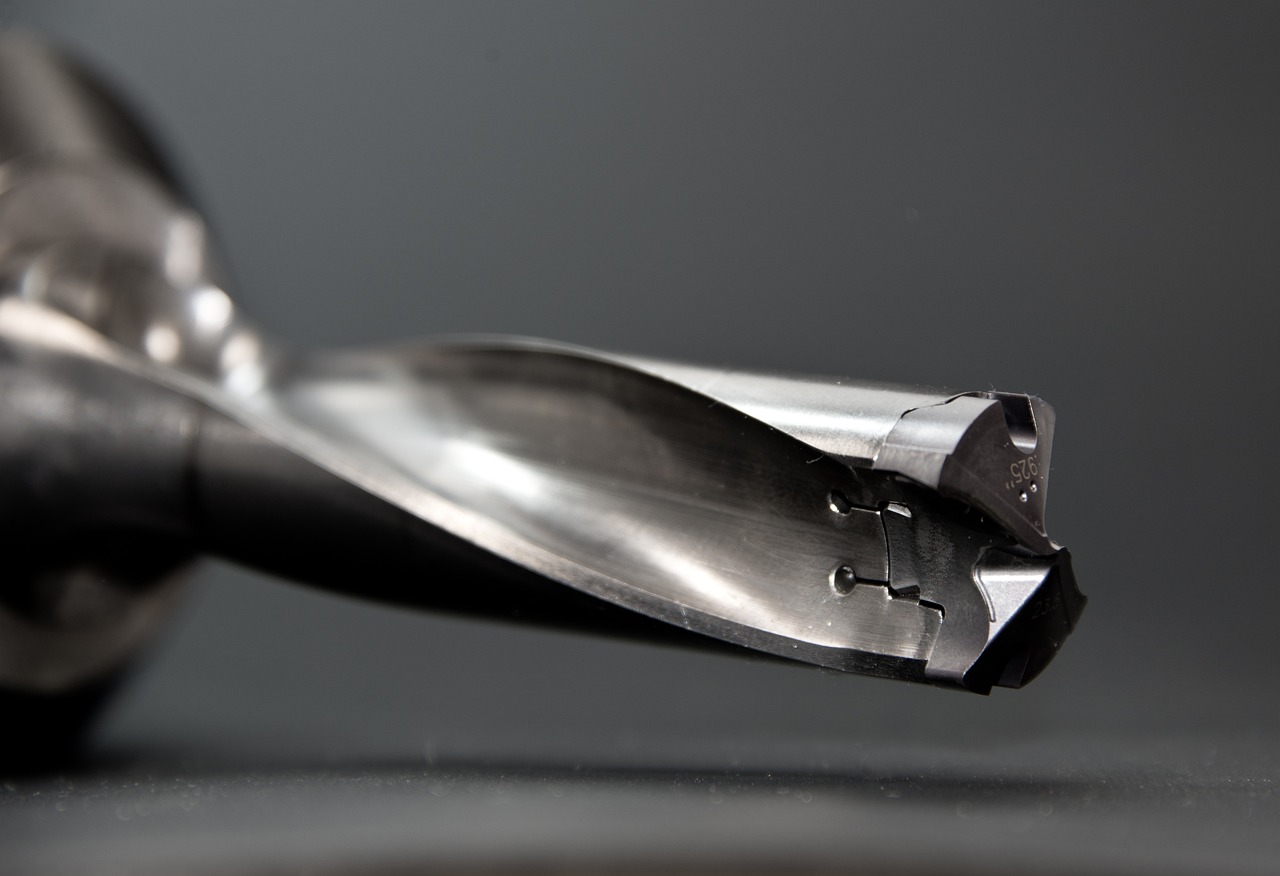
This image is property of pixabay.com.
What Are Twist Drill Bits?
Definition and Function
Twist drill bits are one of the most commonly used cutting tools for drilling holes in various materials. They are cylindrical in shape with helical flutes that allow the chips to be removed from the hole as the drilling process takes place. The tip of the twist drill bit is pointed and sharp, enabling it to penetrate the material and create a hole.
The function of twist drill bits is to provide a means of drilling precise and accurate holes in materials such as wood, metal, plastic, and more. They are commonly used in drill presses, which are machines specifically designed for drilling holes.
Different Types of Twist Drill Bits
There are several different types of twist drill bits, each designed for specific applications and materials. The most common types include:
-
High-Speed Steel (HSS) Drill Bits: These are the most versatile and widely used twist drill bits. They are made from high-speed steel and can be used for drilling a variety of materials, including wood, metal, and plastic.
-
Cobalt Steel Drill Bits: These drill bits are made from cobalt alloy steel, which provides them with increased durability and heat resistance. They are ideal for drilling through hard materials, such as stainless steel and cast iron.
-
Titanium Coated Drill Bits: These drill bits have a titanium nitride coating that improves their hardness and resistance to wear. They are suitable for drilling through abrasive and tough materials.
-
Carbide Tipped Drill Bits: These drill bits have a carbide tip that provides superior cutting performance and longevity. They are often used for drilling through extremely hard materials, such as concrete and masonry.
By understanding the different types of twist drill bits available, you can choose the most appropriate one for your specific drilling needs.
Choosing the Right Twist Drill Bit
When selecting a twist drill bit for your drill press, there are several factors to consider in order to achieve the best drilling results.
Consider the Material
The type of material you are drilling into has a significant impact on the type of twist drill bit you should choose. Different materials have different hardness levels and require different cutting speeds and feed rates. For example, if you are drilling into wood, a general-purpose HSS drill bit will suffice. However, if you are drilling into tough metals, such as stainless steel, a cobalt steel or carbide tipped drill bit would be more suitable.
Consider the Size and Shank
Twist drill bits come in various sizes, and it’s important to choose the right size for your drilling needs. The size refers to the diameter of the drill bit, and it should match the size of the hole you intend to create. Additionally, consider the shank of the drill bit, which is the part that fits into the drill press chuck. Ensure that the shank size is compatible with your drill press to ensure a secure fit.
Consider the Point Angle
The point angle of a twist drill bit determines its drilling efficiency and chip clearance. Different materials require different point angles for optimal drilling performance. For example, softer materials like wood may require a point angle between 118 and 130 degrees, while harder materials like metal may require a point angle between 135 and 140 degrees. It’s important to choose a twist drill bit with the appropriate point angle for efficient drilling.
Consider the Coating
Some twist drill bits come with coatings that enhance their performance and durability. Coatings such as titanium nitride and black oxide can provide increased hardness, heat resistance, and lubricity. Consider using coated drill bits when drilling into tough materials or when seeking improved tool life.
By considering these factors, you can choose the right twist drill bit that will ensure successful drilling operations with your drill press.

This image is property of pixabay.com.
Benefits of Using Twist Drill Bits for Your Drill Press
Using twist drill bits with your drill press offers several benefits that enhance your drilling experience and improve the quality of your work.
Accurate and Precise Drilling
One of the primary benefits of using twist drill bits with a drill press is the ability to achieve accurate and precise drilling results. The design and sharpness of twist drill bits, along with the stability and control provided by a drill press, allow for consistent hole depths and diameters. This accuracy is especially important when working on projects that require precise measurements.
Versatility for Different Materials
Twist drill bits are designed to be versatile and capable of drilling into various materials. Whether you’re drilling through wood, metal, plastic, or other materials, there is a twist drill bit suitable for the task. This versatility eliminates the need for multiple drill bits and allows you to work on a wide range of projects without constantly changing tools.
Easy to Replace and Maintain
Twist drill bits are relatively easy to replace and maintain, making them a convenient option for your drill press. When a drill bit becomes dull or damaged, simply remove it from the drill press chuck and replace it with a new one. Additionally, by following proper maintenance techniques such as cleaning and sharpening, you can extend the lifespan of your twist drill bits and ensure optimal performance.
Overall, using twist drill bits with your drill press provides you with the accuracy, versatility, and ease of maintenance necessary for successful drilling operations.
Tips for Using Twist Drill Bits with Your Drill Press
To get the most out of your twist drill bits when using a drill press, it’s important to follow some best practices. These tips will help you achieve optimal drilling results and prevent common issues that may arise.
Secure the Workpiece
Before drilling, ensure that the workpiece is securely clamped or held in place. This prevents movement or shifting during the drilling process, which can result in inaccuracies or damage. Use clamps, vises, or other appropriate methods to ensure stability and safety.
Use Lubrication
When drilling into certain materials, such as metal, it is beneficial to use lubrication. Lubricants, such as cutting oil or coolant, help to reduce friction and heat generated during drilling. This not only improves drilling efficiency but also prolongs the life of the twist drill bit. Refer to the manufacturer’s recommendations for the appropriate lubrication to use with your specific twist drill bit and material.
Maintain Proper Speed and Feed Rate
The speed and feed rate at which you operate your drill press play a vital role in achieving optimal drilling results. Always refer to the manufacturer’s recommendations for the appropriate speed and feed rate based on the material and twist drill bit being used. Using the correct speed and feed rate prevents overheating, premature dulling, and breakage of the drill bit.
Apply Uniform Pressure
When drilling, apply a consistent and uniform pressure on the drill press handle or lever. This ensures an even and steady drilling motion throughout the process. Avoid excessive force, as it can cause the drill bit to bind or break. By maintaining uniform pressure, you can achieve a smooth and efficient drilling operation.
By following these tips, you can maximize the performance of your twist drill bits and achieve the best drilling results with your drill press.
This image is property of pixabay.com.
Common Problems and Solutions
While using twist drill bits with a drill press can yield excellent results, there are some common problems that may occur. Here are a few issues you may encounter and their possible solutions:
Drill Bit Breakage
Drill bit breakage can occur due to various factors, such as excessive force, improper speed, or using the wrong twist drill bit for the material. To prevent drill bit breakage, ensure that you are using the correct twist drill bit and operating within the recommended speed and feed rates. Additionally, apply steady and uniform pressure during drilling rather than forcing the drill bit.
Chatter or Vibration
Chatter or vibration during drilling can lead to inaccurate holes and a poor finish. This can be caused by a loose workpiece, excessive drill bit runout, or improper speed and feed rates. Ensure that the workpiece is securely clamped and the drill press is properly aligned. Check for any worn or damaged components that may cause excessive runout. Adjust the speed and feed rates as needed to reduce vibration and chatter.
Drill Bit Dulling
Over time, twist drill bits can become dull, leading to slower drilling speeds and lower-quality holes. Dullness can result from drilling hard materials, excessive heat, or inadequate lubrication. To prevent drill bit dulling, use the appropriate twist drill bit for the material, implement proper lubrication techniques, and follow the recommended speed and feed rates. When a drill bit becomes dull, it can be sharpened or replaced.
By troubleshooting and addressing these common problems, you can overcome challenges and ensure consistent performance from your twist drill bits.
Safety Precautions
When using twist drill bits with a drill press, it’s important to prioritize safety to prevent accidents or injuries. Here are some safety precautions to follow:
Wear Personal Protective Equipment
Always wear appropriate personal protective equipment, such as safety glasses, gloves, and hearing protection, when operating a drill press. This protects you from potential flying debris, sharp metal shavings, and excessive noise.
Secure the Workpiece Properly
Ensure that the workpiece is securely clamped or held in place before drilling. This prevents unexpected movement, which can cause accidents or damage to the workpiece.
Do Not Force the Drill Bit
Avoid forcing the drill bit into the material. Use a steady and consistent pressure, allowing the drill bit to do the cutting. Excessive force can cause the drill bit to bind, break, or create an unsafe drilling environment.
Following these safety precautions mitigates risks and ensures a safe and enjoyable drilling experience.
Recommended Twist Drill Bits for Your Drill Press
When searching for high-quality twist drill bits for your drill press, consider the following recommended brands:
Brand A – High Speed Steel Twist Drill Bit Set
Brand A offers a comprehensive set of high-speed steel twist drill bits, ranging in sizes suitable for various drilling applications. The high-speed steel construction provides durability and versatility for drilling into different materials. This set is an excellent choice for general-purpose drilling.
Brand B – Cobalt Steel Twist Drill Bit Set
Brand B specializes in cobalt steel twist drill bits, known for their exceptional strength and heat resistance. These drill bits are specifically designed for drilling through tough materials, such as stainless steel and cast iron. The cobalt steel construction ensures long-lasting performance and durability.
Brand C – Titanium Coated Twist Drill Bit Set
Brand C offers a titanium coated twist drill bit set that provides improved hardness and wear resistance. The titanium coating enhances performance when drilling into abrasive and tough materials. This set is suitable for a wide range of applications and provides great value for the price.
Consider these recommended brands when selecting twist drill bits for your drill press, as they offer reliable and high-performance options to meet your drilling needs.
Maintenance and Care for Twist Drill Bits
Proper maintenance and care help prolong the lifespan and optimize the performance of your twist drill bits. Here are some essential steps to follow:
Keep Clean and Free of Debris
After each use, clean off any debris, chips, or excess material from the twist drill bits. Use a brush or compressed air to remove any particles that may affect the cutting performance. This helps maintain the sharpness and efficiency of the drill bits.
Sharpen When Dull
When a twist drill bit becomes dull, it is important to sharpen it to restore its cutting ability. Use a drill bit sharpener or a bench grinder with a fine-grit wheel to sharpen the cutting edges. Follow the manufacturer’s guidelines and recommended techniques for proper sharpening.
Store Properly
Proper storage of twist drill bits is essential to prevent damage and maintain their effectiveness. Store the drill bits in a dry and clean environment, preferably in a case or organizer that keeps them separate and protected. This prevents them from becoming damaged or dull due to contact with other tools or surfaces.
By following these maintenance and care practices, you can extend the lifespan of your twist drill bits and ensure they perform at their best.
FAQs about Twist Drill Bits
Here are some frequently asked questions about twist drill bits and their answers:
Q: What is the difference between high-speed steel and cobalt drill bits?
A: The main difference between high-speed steel (HSS) and cobalt drill bits lies in their composition. HSS drill bits are made from a mixture of carbon steel and other elements, while cobalt drill bits are made from a mixture of cobalt and high-speed steel. Cobalt drill bits offer higher heat resistance, hardness, and durability compared to HSS drill bits, making them suitable for drilling through hard materials.
Q: Can I use a twist drill bit for other drilling machines?
A: Yes, twist drill bits are versatile and can be used with various drilling machines, including hand drills, drill presses, and rotary tools. However, it is important to ensure that the drill bit size, shank compatibility, and drilling speed are appropriate for the specific machine being used.
Q: How often should I replace twist drill bits?
A: The frequency of replacing twist drill bits depends on various factors, such as the type of material being drilled, the drilling speed and feed rates used, and the condition and sharpness of the drill bits. As a general guideline, if you notice a significant decrease in performance, such as slower drilling speeds or poor-quality holes, it may be time to replace the drill bit. Additionally, if you observe signs of excessive wear, damage, or dullness, it is advisable to replace the drill bit to maintain optimal drilling results.
Conclusion
Twist drill bits are essential tools for your drill press, providing accurate and precise drilling capabilities. By considering factors such as the material, size and shank, point angle, and coating, you can choose the right twist drill bit for your specific drilling needs. Using twist drill bits with your drill press offers benefits such as accurate drilling, versatility for different materials, and ease of replacement and maintenance. Follow tips such as securing the workpiece, using lubrication, maintaining proper speed and feed rates, and applying uniform pressure for optimal drilling results. Be aware of common problems such as drill bit breakage, chatter or vibration, and drill bit dulling, and follow safety precautions to ensure a safe drilling experience. Consider recommended twist drill bit brands, and practice proper maintenance and care to extend the lifespan and performance of your drill bits. By understanding the differences between high-speed steel and cobalt drill bits, knowing the compatibility of twist drill bits with various drilling machines, and being aware of when to replace drill bits, you can maximize the efficiency and effectiveness of your drill press operations. Twist drill bits are valuable tools that contribute to successful drilling projects, and by following the information and recommendations provided, you can confidently select, use, and maintain twist drill bits for your drill press.