If you’re a fan of DIY projects and have ever wondered about the essential components of a drill press, then this article is for you. Today, we’ll be taking a closer look at the column in a drill press, exploring its purpose and importance in the world of woodworking and metalworking. Whether you’re new to the craft or an experienced DIY enthusiast, understanding the role of the column in a drill press can enhance your knowledge and improve your drilling precision. So, let’s dive in and explore this fascinating piece of equipment together.
What is a column in a drill press?
Definition of a column
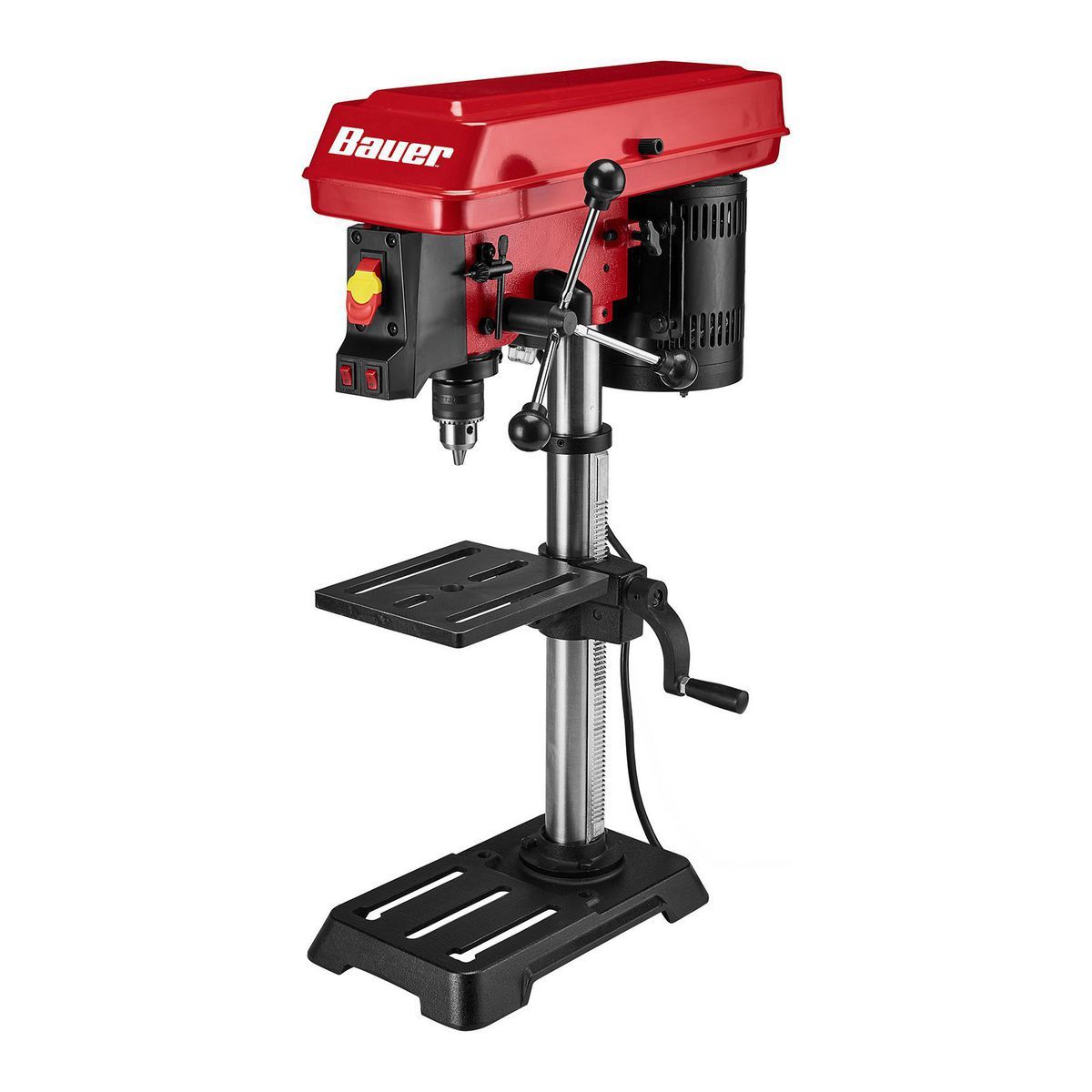
A column in a drill press is the vertical shaft or pillar that provides support and stability to the entire machine. It is typically cylindrical in shape and securely attached to the base of the drill press. The main purpose of the column is to hold the drilling assembly, including the spindle, chuck, and motor, in a fixed position. It also enables the vertical movement of the drilling assembly to accurately adjust the drilling depth. The column plays a crucial role in maintaining the overall precision and stability of the drill press.
Function of the column in a drill press
The primary function of the column in a drill press is to provide stability and support for the drilling assembly. It ensures that the drilling operation remains accurate, efficient, and safe. The column acts as a guide for the drilling assembly, allowing it to move up and down smoothly while maintaining a consistent vertical alignment. It also absorbs vibrations generated during drilling, minimizing any potential damage to the workpiece or the machine itself. The column is a fundamental component that contributes to the overall functionality and performance of a drill press.
Types of columns
Fixed column
A fixed column is a non-adjustable column that remains in a fixed position throughout the operation of a drill press. It is a common type of column found in most drill presses, especially in benchtop models. The fixed column provides excellent stability and rigidity, making it suitable for precision drilling applications. While it lacks adjustability, it compensates with its simplicity and robustness.
Swing column
A swing column, also known as a tilting column, offers an additional level of versatility compared to a fixed column. It allows the drilling assembly to tilt or swing horizontally, enabling angled drilling or drilling on irregular surfaces. The swing column can be locked in position at various angles, adding flexibility to the drilling process. This type of column is commonly found in drill presses designed for more complex drilling tasks and is preferred by professionals and hobbyists who require a wider range of drilling options.
Telescoping column
A telescoping column includes a series of extending sections that can be adjusted to different heights. This type of column offers the most versatility in terms of vertical adjustability. By sliding and locking the telescoping sections in place, the user can easily set the desired height of the drilling assembly. Telescoping columns are often found in floor-standing drill presses, where the ability to adjust the height is essential for accommodating larger workpieces or adapting to specific drilling requirements.
Features and considerations
Column material
The material from which the column is made plays a significant role in determining its strength and stability. Most drill press columns are constructed from either cast iron or steel. Cast iron provides excellent rigidity and vibration damping properties, while steel offers a balance between strength and lightness. Both materials are highly durable and withstand the rigors of drilling operations. When choosing a drill press, it is important to consider the column material in relation to the intended use and the desired level of stability.
Column height and adjustability
The height of the column directly impacts the maximum drilling depth that can be achieved. It is crucial to choose a drill press with a column height that suits the intended applications. Additionally, the adjustability of the column’s height is an important factor to consider. Some drill presses feature a fixed column height, while others offer telescoping columns that provide greater flexibility in adjusting the drilling assembly’s position. Evaluating the workpiece size and the desired drilling depth will help determine the most suitable column height and adjustability for specific projects.
Column diameter
The diameter of the column influences its overall stability and resistance to deflection. A larger diameter column tends to be more stable and rigid, which contributes to improved drilling accuracy. Lower diameter columns may be more prone to wobbling or flexing during drilling, which can affect precision. When selecting a drill press, it is beneficial to opt for a model with a thicker and sturdier column to ensure enhanced stability, especially when dealing with heavier workpieces or demanding drilling tasks.
Column stability
The stability of the column is essential for precise and accurate drilling. A stable column minimizes vibrations and movement of the drilling assembly, resulting in cleaner and more consistent holes. To ensure optimal stability, it is important to inspect the construction of the column and the base of the drill press. A solid and well-built column, along with a sturdy base, will provide the necessary support to maintain stability even during high-speed drilling or when working on challenging materials.
Importance of a sturdy column
Enhanced precision
A sturdy column is crucial for maintaining precise drilling operations. It prevents the drilling assembly from wobbling or shifting during use, ensuring that the drilling bit remains perfectly aligned with the designated drilling point. This precision is particularly important when drilling holes of specific depths or in precise locations. A sturdy column acts as a reliable guide for the drilling assembly, allowing for accurate and repeatable drilling results.
Increased stability
Stability is one of the key features provided by a sturdy column. By minimizing movement and vibrations, a robust column ensures that the drilling process remains smooth and controlled. This stability is especially important when working with delicate or fragile materials that may easily be damaged by excess vibrations. A stable column enables the drill bit to advance steadily into the workpiece, resulting in clean and consistent holes.
Reduced vibration
Vibration can negatively impact the drilling process and the overall quality of the workpiece. A sturdy column helps absorb and dampen vibrations generated during drilling, reducing their effects. By minimizing vibrations, a robust column decreases the likelihood of chatter marks, surface imperfections, or damage to the workpiece. Additionally, reduced vibration also contributes to the longevity and durability of the drill press itself, decreasing wear and tear on its components.
Maintenance of the column
Cleaning and lubrication
Regular cleaning and lubrication are essential for maintaining the performance and longevity of the column. Dust, debris, and residue from drilling operations can accumulate on the column, potentially affecting its movement and stability. Cleaning the column with a mild detergent or a specialized cleaner will help remove any build-up. Additionally, lubricating the column’s moving parts with a suitable lubricant will ensure smooth operation and prevent excessive friction.
Checking for alignment
Misalignment of the column can significantly impact the accuracy and function of the drill press. Regularly checking for any misalignment and adjusting it as needed is important for optimal performance. Using a precision square or a similar measuring tool, ensure that the column is perfectly perpendicular to the work surface. Any misalignment should be corrected promptly to maintain drilling precision.
Inspecting for damage
Inspecting the column for any signs of damage is crucial for safe and efficient operation. Look for cracks, fractures, or deformations that may compromise the strength and stability of the column. If any damage is detected, it is recommended to consult a professional or the manufacturer for appropriate repairs or replacement. Ignoring damaged columns can lead to hazardous conditions and reduced drilling accuracy.
Common issues with the column
Bent or misaligned column
A bent or misaligned column can cause significant problems in drilling operations. It can lead to inaccurate drilling depths, misaligned holes, and compromised drilling precision. A bent column may result from accidental impacts or improper handling. If a bent or misaligned column is identified, it should be replaced or repaired to ensure the integrity and functionality of the drill press.
Worn or damaged column
Over time, a column can wear out or become damaged due to regular use or improper maintenance. This wear and damage may manifest in the form of surface scratches, corrosion, or weakened structural integrity. A worn or damaged column can jeopardize the stability and accuracy of the drill press. It is important to regularly inspect the column for any signs of wear or damage and seek appropriate repairs or replacements when necessary.
Upgrading or modifying the column
Replacing the column
Replacing the column of a drill press may be necessary in certain situations. If a column is severely damaged, bent, or misaligned beyond repair, it is crucial to replace it to ensure the functionality and safety of the drill press. Upgrading the column to a higher-quality material or a more adjustable design can also be considered to enhance the overall performance and versatility of the drill press. If unsure about the process of replacing a column, it is advisable to seek professional assistance.
Adding accessories to the column
In some cases, adding accessories to the column can increase the capabilities and versatility of the drill press. Depending on the specific needs, accessories such as depth stops or auxiliary tables can be attached to the column. These accessories can assist in achieving more precise drilling depths or provide additional support for larger workpieces. Before adding any accessories, it is important to ensure compatibility with the drill press and to follow the manufacturer’s instructions.
Safety precautions
Securing the column before use
Before using a drill press, it is essential to secure the column firmly in place. Ensure that the column is properly locked in position and that there is no play or movement. This will prevent any unexpected shifts or disturbances during drilling, ensuring the safety of the operator and the accuracy of the drilling operation.
Proper use of the column handle
When adjusting the height or position of the column, it is important to use the designated column handle or crank. Avoid using excessive force or applying sudden movements that can strain or damage the column. Operate the column handle smoothly and steadily, allowing the column to move in a controlled manner. Following the recommended usage techniques will contribute to the longevity and proper functioning of the column.
Avoiding excessive force
Applying excessive force while drilling can put unnecessary strain on the column and the entire drill press. It is important to let the drill bit and the cutting action do the work, without forcing or pushing excessively. Excessive force can lead to bending or misalignment of the column, compromising the accuracy and functionality of the drill press.
Using protective gear
When using a drill press, it is crucial to wear appropriate protective gear for personal safety. Safety glasses or goggles should be worn to protect the eyes from flying debris or fragments. Additionally, using hearing protection, such as earplugs or earmuffs, is recommended to reduce the noise generated during drilling. Following safety precautions ensures a safe and enjoyable drilling experience.
Troubleshooting column-related issues
Column wobbling
If the column wobbles or moves during drilling, it can significantly impact the accuracy and stability of the operation. This issue may arise due to loose fasteners or a misaligned column. Check and tighten all the screws, bolts, and fasteners that secure the column to the drill press. If the wobbling persists, inspect the column for any damage or deformation, as a bent column may require replacement.
Column not staying in position
If the column does not stay in the desired position after adjustments, it can hinder precise drilling. This issue may occur due to insufficient tightening of the locking mechanisms or worn-out components. Ensure that all locking mechanisms are securely tightened to prevent any movement of the column during use. If the problem persists, refer to the drill press manual for guidance or consult a professional for assistance.
Column height adjustment difficulties
If the column height adjustment becomes difficult or feels stuck, it can interfere with the drilling process. The issue may be caused by debris or insufficient lubrication in the mechanism. Clean the height adjustment mechanism thoroughly and apply an appropriate lubricant to ensure smooth operation. If the difficulty persists, inspect for any damaged parts or consult a professional for further assistance.
Conclusion
A well-maintained and sturdy column is crucial for optimizing the performance and functionality of a drill press. The column provides stability, precision, and support, ensuring accurate drilling and safe operation. Regular maintenance, including cleaning, lubrication, and inspection, is necessary to keep the column in optimal condition. Addressing common issues such as misalignment or damage promptly is essential to maintain the overall quality of the drill press. By following safety precautions and troubleshooting any column-related problems, operators can enjoy the benefits of a reliable and efficient drill press for a wide range of drilling tasks. With a strong and stable column, the possibilities of what you can achieve with a drill press are endless.