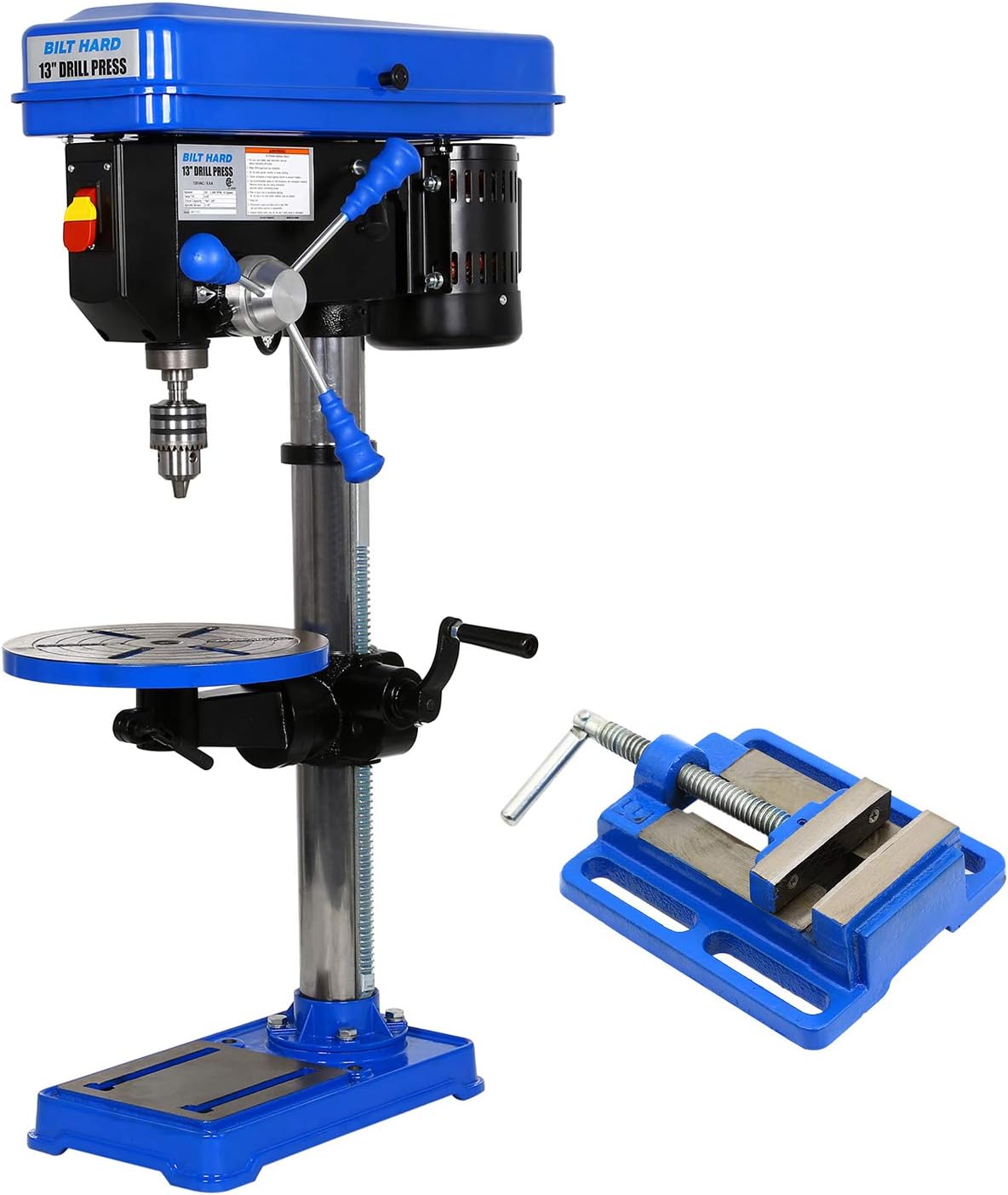
Have you ever wondered about the fascinating world of drill presses? Look no further, because this blog, “Quill In A Drill Press,” is here to provide you with all the information you need. Whether you’re a DIY enthusiast or simply curious about this handy tool, we’ve got you covered. From tips and tricks to step-by-step guides, get ready to explore the world of drill presses and discover how they can enhance your DIY projects. So grab a cup of coffee and get ready to embark on a journey into the world of “Quill In A Drill Press!”
What is a Quill in a Drill Press?
A quill in a drill press refers to the component that holds the drill bit and allows it to move up and down during operation. It is essentially a spindle that is mounted vertically and can be raised or lowered to control the drilling depth. The quill is an indispensable part of a drill press and plays a crucial role in enhancing its functionality.
Definition of a Quill
In the context of a drill press, a quill can be defined as a vertical spindle that holds the drill bit and allows it to move up and down. It is usually mounted on a column and is controlled by a feed handle or lever. The quill is responsible for the precise and controlled drilling depth in a drill press.
Function of a Quill in a Drill Press
The primary function of a quill in a drill press is to enable controlled drilling operations. It allows the drill bit to move up and down, providing the necessary depth control. The quill keeps the drill bit aligned with precision, ensuring accurate and consistent drilling. It also helps in reducing chatter and vibration, resulting in smoother and cleaner drilling.
Components of a Quill
A quill in a drill press consists of several components that work together to enable its functionality. These components include:
-
Spindle: The spindle is the main component of the quill that holds the drill bit. It is responsible for rotating the drill bit during drilling.
-
Quill housing: The quill housing is the outer casing that covers the quill assembly. It provides structural support and houses various internal components.
-
Feed handle or lever: The feed handle or lever is used to control the up and down movement of the quill. It allows the operator to adjust the drilling depth as required.
-
Depth stop: The depth stop is a feature that limits the maximum depth to which the quill can descend. It enables precise and consistent drilling depths.
-
Quill lock: The quill lock is a mechanism that locks the quill in position, preventing it from moving during drilling. It provides stability and ensures accurate drilling.
Advantages of Having a Quill in a Drill Press
Having a quill in a drill press offers several advantages that enhance its functionality and make it a versatile tool. Some of the key advantages include:
Improved drilling accuracy
The quill in a drill press allows for precise depth control, ensuring accurate drilling. It enables the operator to set the desired drilling depth and maintain consistency throughout the operation. This enhanced accuracy is especially valuable when working on projects that require precision.
Versatility in drilling operations
The quill provides flexibility in drilling operations by allowing for variable drilling depths. It enables the user to adjust the quill position according to the specific requirements of the task at hand. Whether drilling through thin materials or thicker ones, the quill can adapt to various drilling depths, making it a versatile tool.
Reduction of chatter and vibration
The quill in a drill press helps minimize chatter and vibration during drilling. It keeps the drill bit aligned with precision and reduces unnecessary movement, resulting in smoother and cleaner drilling. This reduction in chatter and vibration not only improves the quality of the drilled hole but also prolongs the lifespan of the drill press itself.
Types of Quills in Drill Presses
Drill presses can be equipped with different types of quills, each with its unique characteristics and advantages. The three main types of quills commonly found in drill presses are:
Mechanical quills
Mechanical quills rely on direct mechanical action to control the up and down movement of the drill bit. They usually have a feed handle or lever that the operator manually manipulates to raise or lower the quill. Mechanical quills are simple and reliable, making them suitable for various drilling tasks.
Spring-loaded quills
Spring-loaded quills utilize a spring mechanism to provide the necessary force for the up and down movement of the quill. The spring applies pressure to the quill, allowing it to move smoothly and effortlessly. Spring-loaded quills are known for their ease of use and require minimal effort from the operator.
Hydraulic quills
Hydraulic quills use hydraulic fluid to control the movement of the quill. They provide precise and consistent up and down motion, allowing for accurate drilling depths. Hydraulic quills are often found in high-end drill presses and are favored for their smooth operation and excellent depth control.
Considerations When Choosing a Drill Press with Quill
When selecting a drill press with a quill, it is essential to consider several factors to ensure that you choose the right tool for your needs. Some key considerations include:
Size and power of the drill press
The size and power of the drill press should match the drilling tasks you intend to perform. Consider the maximum hole diameter and material thickness that the drill press can handle. Ensure that the drill press has sufficient power to handle your projects effectively.
Quill travel and depth control
The quill travel refers to the maximum distance the quill can move up and down. Consider the depth requirements of your drilling tasks and ensure that the drill press offers sufficient quill travel. Additionally, check for a reliable depth control mechanism that allows for precise and consistent drilling depths.
Quill locking mechanism
A secure quill locking mechanism is crucial for stability and accuracy during drilling operations. Look for a drill press with a robust quill locking mechanism that keeps the quill firmly in place, preventing any unwanted movement. This will ensure that your drilling remains consistent and accurate.
Popular Brands and Models of Drill Presses with Quill
Several reputable brands offer drill presses with reliable quills. Here are three popular brands and their respective models to consider:
Brand A – Model X
Brand A’s Model X is known for its sturdy construction and excellent drilling performance. It features a precise quill with smooth movement and reliable depth control. This model has received positive reviews from DIY enthusiasts for its durability and versatility.
Brand B – Model Y
Brand B’s Model Y is a versatile drill press with a quill that offers exceptional depth control. It provides smooth and precise quill movement, allowing for accurate drilling depths. This model is favored by professionals for its reliability and ease of use.
Brand C – Model Z
Brand C’s Model Z is a high-end drill press known for its hydraulic quill that provides excellent depth control. It offers smooth and consistent movement, ensuring accurate drilling. This model is preferred by those seeking professional-grade drilling capabilities.
Features to Look for in a Drill Press Quill
When evaluating a drill press with a quill, consider the following features to ensure that the quill meets your requirements:
Smooth and precise quill movement
Look for a quill that moves smoothly and precisely. A quill with smooth movement allows for accurate drilling and reduces the risk of chatter and vibration. Ensure that the quill maintains stability throughout its range of motion.
Easy quill adjustment
Choose a drill press with a quill that is easy to adjust. A quill that can be raised or lowered effortlessly enables efficient and convenient drilling. Look for a drill press with an ergonomic feed handle or lever that provides comfortable operation.
Durable quill construction
Opt for a drill press with a quill that is built to last. The quill should be made of durable materials that can withstand the demands of frequent drilling. Consider models with high-quality components and a reputation for longevity.
Maintenance and Care of the Quill in a Drill Press
Proper maintenance and care of the quill in a drill press are essential to ensure its longevity and optimal performance. Here are some maintenance tips to keep in mind:
Regular cleaning and lubrication
Clean the quill regularly to remove any debris or dust that may accumulate. Lubricate the moving parts of the quill according to the manufacturer’s recommendations to reduce friction and prolong its lifespan.
Checking for wear and tear
Inspect the quill periodically for any signs of wear or damage. Pay attention to the spindle, quill housing, and locking mechanism. Replace any worn or damaged components promptly to prevent further issues and maintain the quill’s functionality.
Replacing worn or damaged quill components
If any quill components are severely worn or damaged, it is important to replace them. Consult the drill press manufacturer’s instructions or seek professional assistance when replacing quill components to ensure proper installation and functionality.
Safety Considerations When Using a Drill Press Quill
Safety should always be a top priority when operating a drill press with a quill. Follow these safety considerations to minimize the risk of accidents:
Wearing protective gear
Always wear appropriate personal protective equipment (PPE) when operating a drill press with a quill. This includes safety glasses, hearing protection, and gloves to protect against flying debris and noise.
Using appropriate drill bits
Ensure that you are using drill bits suitable for the material you are drilling. Using the wrong drill bit can cause damage to the quill and result in poor drilling performance. Select the appropriate drill bit for the specific material to be drilled.
Avoiding excessive force on the quill
Avoid applying excessive force on the quill, as it can lead to damage or misalignment. Let the quill and drill bit do the work, applying steady and controlled pressure. Excessive force can also increase the risk of accidents and injuries.
Tips and Techniques for Using the Quill in a Drill Press
To maximize the benefits of using a quill in a drill press, consider the following tips and techniques:
Setting proper drilling depth
Take the time to set the proper drilling depth before starting the operation. Adjust the quill position according to the required drilling depth. This will ensure accurate and consistent drilling results.
Using the quill for repetitive drilling tasks
If you have multiple holes to drill at the same depth, utilize the depth stop feature on the quill. Set the desired drilling depth using the depth stop, allowing for quick and consistent drilling of multiple holes without the need for constant measurement.
Utilizing the quill for precision work
The quill’s precise depth control makes it ideal for precision work. Utilize the quill for tasks that require accurate hole depths, such as dowel pin drilling or countersinking. Take advantage of the quill’s capabilities to achieve precise and professional results.
Conclusion
The quill in a drill press is a crucial component that greatly enhances its functionality. It allows for controlled drilling operations, improved accuracy, and reduced chatter and vibration. When choosing a drill press with a quill, consider factors such as size, power, quill travel, and locking mechanism. Regular maintenance and proper care of the quill are important for its longevity and optimal performance. By following safety considerations and utilizing the quill effectively, you can make the most of this essential feature and achieve accurate and efficient drilling results.