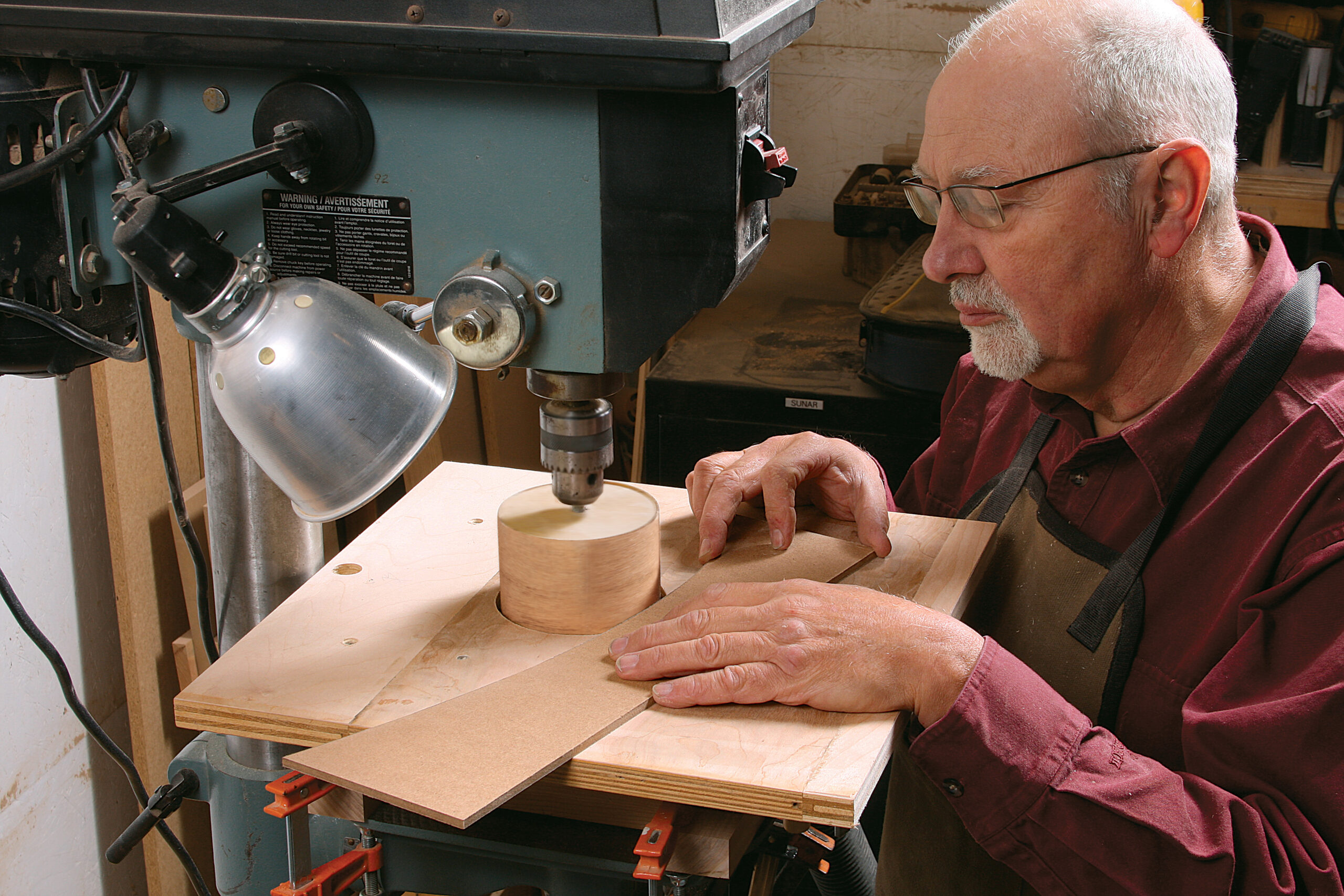
In this blog post, you will discover helpful information on how to adjust the speed and depth of your drill press. Whether you are a DIY enthusiast or a beginner looking to upgrade your drilling skills, understanding how to make these adjustments is crucial for achieving precise and efficient results. So, grab your toolbox, get ready to learn, and let’s explore the world of drill presses together!
Importance of Adjusting Drill Press Speed
Optimizing performance and efficiency
Adjusting the speed of your drill press is crucial in optimizing its performance and efficiency. Different materials and drill bit sizes require varying speeds to achieve the best results. By adjusting the speed accordingly, you can ensure that the drill bit cuts smoothly and efficiently through the material, reducing the chances of overheating or causing unnecessary wear and tear.
Preventing tool wear and damage
Using the correct drill press speed for a particular task can significantly extend the lifespan of your drill bits and other tools. If the speed is too high, the drill bit can become dull quickly, leading to poor performance and the need for frequent replacements. On the other hand, if the speed is too low, excessive friction can occur, causing the bit to overheat and potentially damage both the bit and the workpiece.
Ensuring accurate and clean cuts
Adjusting the drill press speed plays a crucial role in achieving accurate and clean cuts. When the speed is too high, the drill bit can cause splintering or tear-out, resulting in a jagged and uneven hole. Conversely, if the speed is too low, the bit can struggle to cut through the material, leading to a rough finish. By carefully adjusting the speed, you can achieve precise and clean cuts, ensuring the desired outcome for your project.
Factors Affecting Drill Press Speed
Material being drilled
The type of material being drilled is a significant factor in determining the appropriate speed for your drill press. Harder materials, such as metal or hardwood, generally require slower speeds to avoid excessive heat generation. Softer materials, like plastic or softwood, can be drilled at higher speeds without causing damage.
Bit type and diameter
The type and diameter of the drill bit also influence the ideal speed for drilling. Larger drill bits require slower speeds to prevent overheating and ensure adequate cutting power. On the other hand, smaller bits can handle faster speeds. Additionally, different bit materials, such as high-speed steel or carbide, may have specific speed recommendations for optimal performance.
Desired hole size and depth
The size and depth of the hole you intend to drill should be taken into account when adjusting the drill press speed. Larger holes generally require slower speeds to prevent the bit from clogging or becoming overwhelmed. Conversely, smaller holes can be drilled at higher speeds. Additionally, deeper holes may necessitate using slower speeds to maintain control and prevent overheating.
Workpiece stability and clamping
The stability of the workpiece is crucial when determining the appropriate drill press speed. A securely clamped workpiece reduces vibrations and ensures a more controlled drilling process. Unstable or loosely clamped workpieces may require slower speeds to compensate for potential movement or chatter during drilling.
Determining the Appropriate Speed Range
Understanding the drill press speed chart
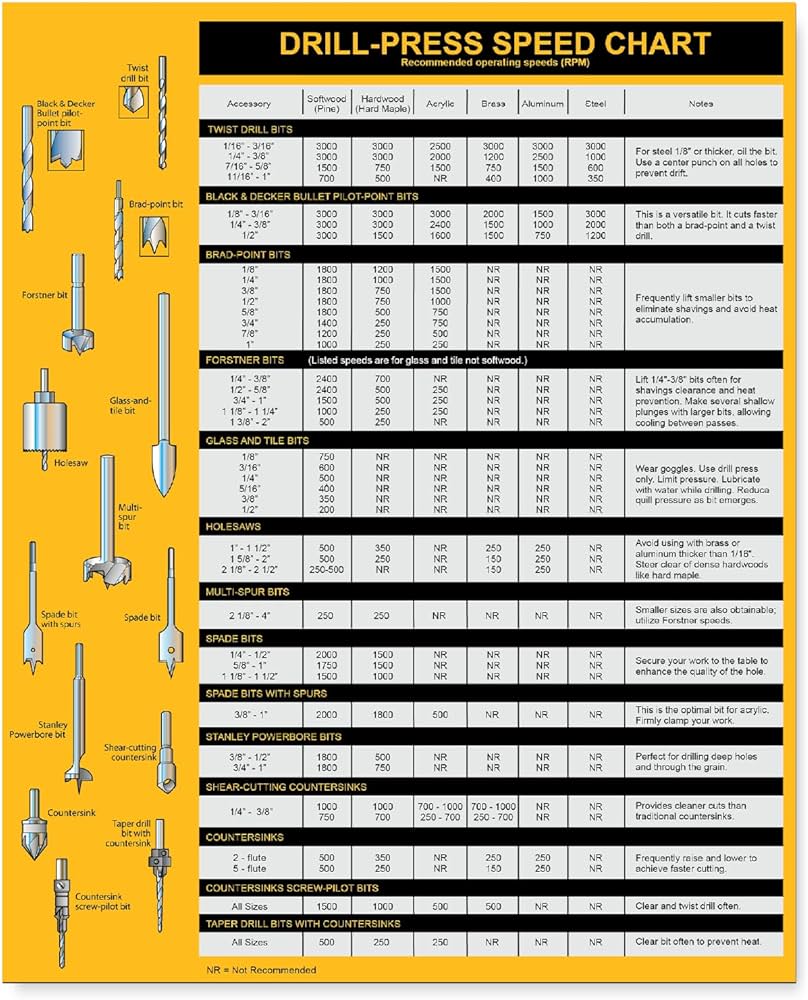
Most drill presses come with a speed chart that provides guidelines for choosing the correct speed based on the material and bit size. These charts typically display the recommended speed ranges for specific materials, allowing you to select the appropriate speed easily.
Choosing the proper speed based on material
Referring to the drill press speed chart, identify the material you will be drilling and locate the corresponding speed range. In general, harder materials require slower speeds, while softer materials can handle faster speeds. However, it is essential to consider the specific recommendations in the speed chart for optimal results.
Considering the bit size and type
Once you have determined the appropriate speed range for the material, take into account the size and type of drill bit you are using. Larger bits typically require slower speeds to ensure sufficient cutting power and prevent overheating. Smaller bits can handle faster speeds, but be sure to follow the manufacturer’s recommendations for the specific bit you are using.
Adjusting Drill Press Speed
Using the tensioning system or belt/pulley configuration
Many drill presses feature a tensioning system or a belt and pulley configuration for adjusting the speed. To increase or decrease the speed, you will need to loosen the tension or adjust the belt position accordingly. Once you have made the necessary adjustments, secure the tension or reposition the belt to lock in the desired speed.
Changing speed on a variable-speed drill press
If you own a variable-speed drill press, adjusting the speed is relatively straightforward. Most variable-speed models have a control knob or lever that allows you to select the desired speed range. Simply turn the knob or move the lever to your desired setting, and the drill press will automatically adjust the speed accordingly.
Understanding speed ranges and adjustment limitations
It is important to note that different drill presses have varying speed ranges and adjustment limitations. Some models may have a limited number of speed settings, while others offer a wider range of options. Be aware of the limitations of your drill press and adjust the speed within the available range for optimal performance and safety.
Importance of Adjusting Drill Press Depth
Achieving accurate hole depth
Adjusting the depth of your drill press is vital in achieving accurate and consistent hole depths. By setting the proper depth, you can ensure that all the holes you drill are uniform in depth, resulting in a professional and aesthetically pleasing finish for your project.
Preventing surface damage
By adjusting the drill press depth, you can prevent surface damage to your workpiece. Drilling too shallow may not allow for proper attachment or fastening, while drilling too deep can result in unsightly holes or even damage the material beyond repair. Proper depth adjustment allows you to avoid these issues and maintain the integrity of your workpiece.
Ensuring proper drilling technique
Adjusting the drill press depth is crucial for ensuring proper drilling technique. With the right depth setting, you can drill smoothly and consistently, minimizing the risk of mistakes or accidents during the drilling process. Whether you are drilling pilot holes, counterboring, or creating through-holes, accurate depth adjustment is essential for achieving optimal results.
Factors Affecting Drill Press Depth
Bit length and size
The length and size of the drill bit significantly impact the depth you can achieve with your drill press. Longer bits can drill deeper holes, while shorter bits are limited in their depth capabilities. Additionally, larger bits may require slower feed rates to prevent overheating and ensure efficient cutting.
Depth stop settings
Many drill presses come with a depth stop feature that allows you to set a specific depth for drilling. By adjusting the depth stop, you can control the drilling depth precisely, ensuring consistent and accurate results. It is important to familiarize yourself with the depth stop settings on your drill press and use them to achieve the desired hole depth.
Workpiece thickness and composition
The thickness and composition of the workpiece also play a role in determining the achievable drill press depth. Thicker materials may require longer drill bits to reach the desired depth, while fragile or brittle materials may have limitations on how deep they can be drilled without damage. Consider the characteristics of your workpiece when setting the drill press depth.
Setting Drill Press Depth
Using the depth stop
If your drill press is equipped with a depth stop feature, utilize it to set the desired drilling depth. This feature allows you to lock in a specific depth, ensuring consistency across multiple holes. Adjust the depth stop according to the depth you want to achieve, and secure it in place before drilling.
Measuring and marking the desired depth
If your drill press does not have a depth stop, you can measure and mark the desired depth manually. Use a ruler or a depth gauge to measure the depth, and mark it on the drill bit with a piece of tape or a marker. This will serve as a visual guide during drilling to ensure you reach the desired depth.
Gradual drilling to the desired depth
When drilling to a specific depth, it is best to gradually approach the desired depth rather than attempting to drill the whole depth in one go. Start by drilling a partial hole, then retract the drill bit to remove any debris. Repeat this process, gradually increasing the drilling depth until you have reached the desired depth.
Avoiding Common Depth Setting Mistakes
Not using a depth stop
One common mistake when setting the drill press depth is not utilizing the depth stop feature, if available. This can result in inconsistent hole depths and a lack of precision. Always take advantage of the depth stop feature or use alternative measuring and marking methods to ensure accuracy.
Incorrectly measuring or marking depth
Another mistake is inaccurately measuring or marking the desired depth. This can lead to drilling holes that are either too shallow or too deep for the intended purpose. Take your time to measure and mark the depth correctly, double-checking the measurements before drilling.
Drilling too deep or not deep enough
Drilling holes that are either too deep or not deep enough can cause problems when attaching or fastening components. It is essential to follow the recommended depth guidelines for your project and adjust the drill press depth accordingly. Take care to avoid overdrilling or underdrilling, ensuring the desired hole depth is achieved.
Drilling Techniques for Different Applications
Drilling pilot holes
When working with delicate or hard-to-drill materials, drilling pilot holes can be beneficial. Pilot holes are smaller holes drilled before the final drilling to guide the larger bit and improve accuracy. Adjust the drill press speed and depth accordingly to ensure smooth and precise pilot hole drilling.
Counterboring and counter-sinking
Counterboring and counter-sinking techniques are commonly used to create recessed holes for screw heads or to allow for the flush installation of fasteners. Adjust the drill press depth accordingly to achieve the desired depth for counterboring or counter-sinking, ensuring a professional and neat appearance.
Through-hole drilling
Drilling through holes involves drilling completely through the workpiece. Adjust the depth and speed settings on your drill press to achieve the desired hole diameter and depth. Take care to ensure that the drill bit exits the workpiece cleanly to prevent any damage or splintering.
Deep hole drilling
For projects that require drilling deep holes, special precautions should be taken. Adjust the drill press speed and depth according to the material and bit size, and periodically withdraw the drill bit to remove chips and reduce heat buildup. Take the drilling process slowly and cautiously, allowing the drill bit to cool between drilling intervals.
Safety Considerations When Adjusting Speed and Depth
Wearing appropriate Personal Protective Equipment (PPE)
Always wear the appropriate Personal Protective Equipment (PPE) when using a drill press, including safety glasses, hearing protection, and protective clothing. PPE helps safeguard against potential hazards, such as flying debris and noise-related hearing damage.
Securing the workpiece
Ensure that the workpiece is securely clamped or held in place before adjusting the drill press speed or depth. Unstable workpieces can lead to accidents or injury. Proper clamping or supporting techniques should be employed to maintain stability throughout the drilling process.
Following manufacturer guidelines
It is important to follow the manufacturer’s guidelines and instructions for your specific drill press model. Each drill press may have unique features, limitations, and safety precautions that should be adhered to for safe operation. Familiarize yourself with the user manual and consult it as needed.
Avoiding excessive force or overloading
When adjusting the speed and depth of your drill press, avoid applying excessive force or overloading the machine. Drill press motors and components are designed to handle specific loads and speeds. Operating outside the recommended parameters can lead to equipment failure, damage to the workpiece, or personal injury.
In conclusion, adjusting the drill press speed and depth is crucial for optimizing performance, preventing tool wear and damage, achieving accurate cuts, and ensuring proper drilling technique. By considering factors such as the material being drilled, bit type and diameter, desired hole size and depth, and workpiece stability, you can determine the appropriate speed and depth settings. Utilize the available features on your drill press, such as tensioning systems, belt and pulley configurations, or depth stop, to make the necessary adjustments. Apply drilling techniques suitable for different applications, and always prioritize safety by wearing appropriate PPE, securing the workpiece, following manufacturer guidelines, and avoiding excessive force or overloading. By understanding and implementing these practices, you can make the most of your drill press and achieve excellent results in your DIY projects.