
If you’re a DIY enthusiast or simply someone who often finds themselves needing to drill holes, you might be wondering what the most common drilling machine is. Well, look no further! In this article, we’ll explore the different types of drilling machines available and shed some light on the most widely used one. Whether you’re a woodworking aficionado or someone who frequently takes on home improvement projects, this information is sure to come in handy. So, let’s get started and find out which drilling machine takes the crown for being the most common!
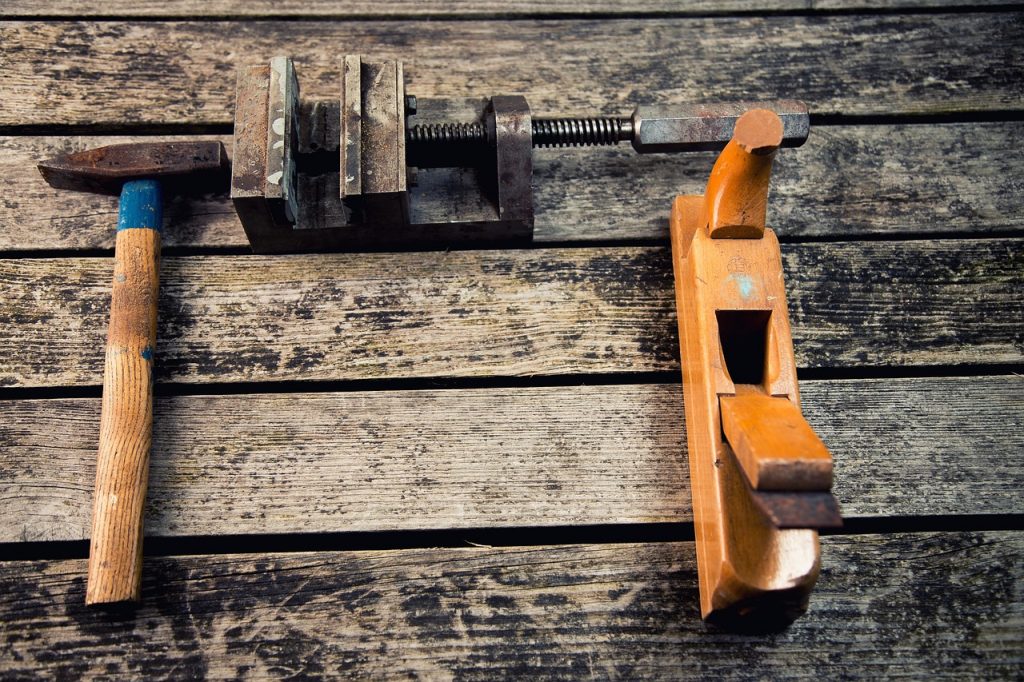
Types of Drilling Machines
Portable Drilling Machines
Portable drilling machines are lightweight and designed for easy transportation. They are ideal for small-scale projects or situations where mobility is necessary. Hand drills, corded drills, and cordless drills are all examples of portable drilling machines that offer convenience and flexibility.
Bench Drilling Machines
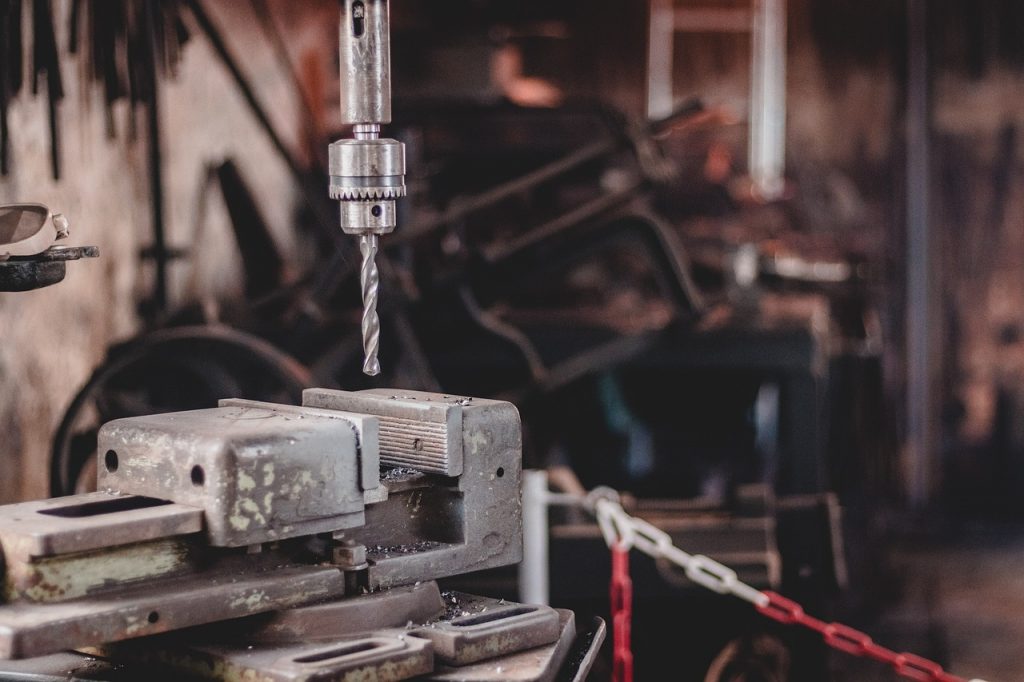
Bench drilling machines are stationary tools typically used in workshops or garages. They are mounted on a workbench or table, providing stability and precision. Bench-top drill presses and floor-mounted drill presses are the two main types of bench drilling machines. They are suitable for both hobbyists and professionals who require accurate drilling in a controlled environment.
Radial Drilling Machines
Radial drilling machines feature a radial arm that allows the drilling head to move horizontally along its length. This versatility makes them well-suited for drilling holes in large workpieces. There are two types of radial drilling machines: swing arm type and fixed head type. Swing arm radial drilling machines are easily adjustable and can reach a wider range of positions. On the other hand, fixed head radial drilling machines provide more stability and are often used for heavy-duty drilling tasks.
Sensitive Drilling Machines
Sensitive drilling machines, also known as sensitive drill presses, are designed for precision drilling operations. They are commonly used in industries such as electronics and watchmaking, where accuracy and precision are critical. Sensitive drilling machines offer fine control over drilling depth and allow for delicate drilling processes. Pillar drill presses are a type of sensitive drilling machine commonly utilized for intricate work.
Upright Drilling Machines
Upright drilling machines, including upright drill presses and column drill presses, are versatile tools suitable for a wide range of drilling tasks. They are typically used in workshops and manufacturing facilities where larger workpieces need to be drilled with precision. These machines offer stability, adjustable speed, and various drilling options, making them an essential tool for professionals.
Gang Drilling Machines
Gang drilling machines are designed for efficiency and productivity. They feature multiple spindles and allow for simultaneous drilling of multiple holes. Gang drilling machines are commonly used for mass production processes where time-saving is crucial. Multiple spindle gang drill presses and multi-head drill presses are two common types of gang drilling machines.
Multiple Spindle Drilling Machines
Multiple spindle drilling machines, as the name suggests, have more than one spindle. These machines can have a fixed or adjustable spacing between the spindles, allowing for drilling multiple holes at once. They are often used in large-scale manufacturing facilities to improve productivity and reduce drilling time.
Automatic Drilling Machines
Automatic drilling machines are equipped with advanced automation features, making them suitable for high-volume production settings. These machines can be programmed to perform drilling tasks automatically, eliminating the need for manual intervention. They are commonly used in industries such as automotive, aerospace, and electronics, where precision and efficiency are paramount.
CNC Drilling Machines
CNC drilling machines combine the capabilities of drilling machines with computer numerical control (CNC) technology. These machines are highly precise and allow for complex drilling operations. CNC drilling machines can be programmed to drill holes in specific patterns, creating intricate designs. They are commonly used in industries such as woodworking, metalworking, and prototyping.
Hydraulic Drilling Machines
Hydraulic drilling machines utilize hydraulic power to drive the drilling process. They offer a high level of control and power, making them suitable for heavy-duty drilling tasks. Hydraulic vertical drill presses and hydraulic horizontal drill presses are two common types of hydraulic drilling machines. They are often found in construction, mining, and oil drilling operations.
Features of the Most Common Drilling Machine
Power Source
The most common drilling machines are powered by electricity. They can be operated using a standard electrical outlet, providing convenience and ease of use. Electric-powered drilling machines offer consistent power and are suitable for various drilling tasks.
Chuck Type
The chuck is the component that holds the drill bit securely in place. The most common drilling machines feature a keyless chuck, which allows for quick and easy bit changes. Keyed chucks, although less common, offer a higher level of stability and security when drilling.
Motor Power
Motor power determines the drilling machine’s ability to drill through different materials. The most common drilling machines have motors ranging from 500 to 1500 watts, providing sufficient power for most drilling tasks. Higher wattage motors are typically used for heavy-duty drilling applications.
Speed Control
Drilling machines commonly feature variable speed control, allowing users to adjust the drilling speed to match different materials and hole sizes. This feature enables more precise drilling and prevents damaging the workpiece or drill bit.
Drilling Capacity
Drilling capacity refers to the maximum diameter of the hole a drilling machine can drill in a given material. The most common drilling machines have a drilling capacity ranging from 10mm to 25mm, suitable for a wide range of drilling needs.
Drilling Depth
The drilling depth determines how deep a drilling machine can penetrate into a workpiece. The most common drilling machines offer a drilling depth of around 80mm to 150mm, providing sufficient reach for most drilling applications.
Table Size
The table size dictates the workpiece size that can be accommodated by the drilling machine. The most common drilling machines have table sizes ranging from 200mm x 200mm to 400mm x 400mm, allowing for the drilling of various-sized workpieces.
Worktable Movement
Some drilling machines feature a movable worktable, allowing for greater flexibility and adjustability. The worktable can be tilted or rotated to accommodate angled drilling or to position the workpiece more conveniently.
Spindle Travel
Spindle travel refers to the movement of the drill head or spindle up and down. The most common drilling machines have a spindle travel ranging from 80mm to 150mm, allowing for drilling at different depths.
Optional Accessories
The most common drilling machines often come with optional accessories that can enhance their functionality. These accessories may include laser guidance systems, workpiece clamps, drill press vises, and more. Optional accessories can help improve accuracy, safety, and productivity.
Factors Affecting the Choice of Drilling Machine
Application
The specific drilling application plays a crucial role in determining the type of drilling machine required. Different applications may require different drilling capacities, power sources, or precision levels. Understanding the intended application is essential to choose the right drilling machine.
Workpiece Size and Material
The size and material of the workpiece directly impact the drilling machine selection. Larger workpieces may require drilling machines with larger table sizes or greater drilling capacities. Additionally, different materials may require specific drill bits or drilling speeds to achieve optimal results.
Accuracy and Precision
For tasks that require high accuracy or precision, such as jewelry making or circuit board drilling, sensitive drilling machines or CNC drilling machines are often preferred. These machines offer fine control over drilling depth and allow for precise drilling in delicate materials.
Production Requirements
Production requirements, such as volume and speed, are crucial factors in selecting a drilling machine. For mass production settings, automatic drilling machines or gang drilling machines that can drill multiple holes simultaneously are often the most efficient choice. Consideration should also be given to the required drilling speed and the machine’s capability to meet production demands.
Budget and Cost
Budget constraints often influence the choice of drilling machines. It is essential to consider the cost of the machine, including any optional accessories or maintenance expenses. Balancing the desired features and capabilities with the available budget is a crucial aspect of the decision-making process.
Portable Drilling Machines
Hand Drills
Hand drills are the most portable and versatile type of drilling machines. They are operated by hand, requiring no external power source. Hand drills are suitable for small-scale projects or tasks that require drilling in tight spaces. They offer flexibility and convenience, making them a handy tool for DIY enthusiasts.
Corded Drills
Corded drills are portable drilling machines that require an electrical outlet for power. They offer consistent power and unlimited runtime, making them suitable for longer drilling sessions. Corded drills are commonly used in construction, woodworking, and metalworking projects that require more power than handheld drills can provide.
Cordless Drills
Cordless drills, also known as battery-powered drills, offer the ultimate portability and convenience. They are powered by rechargeable batteries, allowing them to be used anywhere without the need for electrical outlets. Cordless drills are versatile tools that provide mobility and ease of use. They are commonly used by DIY enthusiasts, contractors, and professionals who require drilling on the go.
Bench Drilling Machines
Bench-Top Drill Press
Bench-top drill presses are compact drilling machines designed to be mounted on a workbench or table. They offer stability, precision, and ease of use. Bench-top drill presses are suitable for hobbyists and DIY enthusiasts who require accurate drilling in a controlled environment. They are often equipped with adjustable speed settings and depth stops to enhance versatility and control.
Floor Mounted Drill Press
Floor-mounted drill presses, also known as pedestal drill presses, are larger and more powerful drilling machines. They are mounted on a sturdy stand or base, providing stability and support for heavy-duty drilling tasks. Floor-mounted drill presses are commonly used in industrial settings or workshops that require drilling of larger workpieces or materials.
Radial Drilling Machines
Swing Arm Type
Swing arm radial drilling machines feature a movable drilling head that can be adjusted horizontally along the radial arm. This type of radial drilling machine offers excellent flexibility and can reach a wider range of drilling positions. Swing arm radial drilling machines are commonly used for drilling holes in large workpieces or materials.
Fixed Head Type
Fixed head radial drilling machines have a stationary drilling head attached to the radial arm. These machines provide more stability and rigidity compared to swing arm types. Fixed head radial drilling machines are suitable for heavy-duty drilling applications that require precision and durability.
Sensitive Drilling Machines
Sensitive Drill Press
Sensitive drill presses, also known as benchtop drill presses, are designed for precision drilling operations. They are commonly used in industries such as electronics and watchmaking, where accuracy is crucial. Sensitive drill presses offer fine control over drilling depth and allow for delicate drilling processes. They are compact, easy to operate, and ideal for intricate work.
Pillar Drill Press
Pillar drill presses, also referred to as floor-standing sensitive drilling machines, are larger and more powerful versions of sensitive drill presses. They are mounted on a sturdy stand or base, providing stability for heavy-duty drilling tasks. Pillar drill presses offer high precision and versatility, making them suitable for a wide range of drilling operations.
Upright Drilling Machines
Upright Drill Press
Upright drill presses, also called benchtop drill presses, are versatile machines commonly found in workshops and garages. They are compact and offer adjustable speed settings, making them suitable for various drilling tasks. Upright drill presses provide stability, precision, and ease of use, making them essential tools for both hobbyists and professionals.
Column Drill Press
Column drill presses, also known as floor-standing upright drilling machines, are larger and more robust versions of upright drill presses. They are mounted on a column or pillar, providing additional stability and support for heavy-duty drilling. Column drill presses offer adjustable speed settings, larger drilling capacities, and versatility, making them ideal for industrial applications.
Gang Drilling Machines
Multiple Spindle Gang Drill Press
Multiple spindle gang drill presses are designed for simultaneous drilling of multiple holes. They feature multiple spindles and enable higher productivity and efficiency. These machines are commonly used in mass production settings where time-saving is crucial. Multiple spindle gang drill presses can drill multiple holes at once, reducing the overall drilling time.
Multi-Head Drill Press
Multi-head drill presses are similar to multiple spindle gang drill presses in that they allow for simultaneous drilling of multiple holes. However, multi-head drill presses feature multiple drilling heads, each with its own motor and control. This design provides individual control over each drilling head, offering flexibility and versatility. Multi-head drill presses are commonly used for large-scale drilling operations.
Hydraulic Drilling Machines
Hydraulic Vertical Drill Press
Hydraulic vertical drill presses are powerful drilling machines that use hydraulic power to drive the drilling process. They offer precise control and high drilling power, making them suitable for heavy-duty drilling tasks. Hydraulic vertical drill presses are commonly used in industries such as mining, construction, and metalworking, where drilling through tough materials is required.
Hydraulic Horizontal Drill Press
Hydraulic horizontal drill presses are designed for horizontal drilling operations. They provide stability, power, and control, making them suitable for drilling large workpieces or materials. Hydraulic horizontal drill presses are commonly used in industries such as metal fabrication, shipbuilding, and oil drilling, where horizontal drilling is necessary.
In conclusion, drilling machines come in various types to suit different applications, workpiece sizes, and drilling requirements. Understanding the different types and features of drilling machines can help you make an informed decision when selecting the most suitable one for your needs. Whether you are a DIY enthusiast, a hobbyist, or a professional, having the right drilling machine can greatly enhance your drilling capabilities and productivity.


